The Philippines is seeking to ease concerns over its future border control system.
The Philippine Bureau of Immigration, or BI, says the CAISS project, short for Civil Aviation and Immigration Security Services, remains a proposal at this stage. The system has not yet been signed or finalized by the agency, BI Commissioner Joel Anthony Viado said in a statement issued on June 2, 2026.
The clarification follows reports suggesting that travelers entering or leaving the Philippines could soon be charged a 480-peso fee. According to the authorities, that amount does not correspond to an approved measure, but to elements of a proposal that is still under review.
Viado said the reports “were based on a proposal that has not yet received the final approvals.” He also said he had ordered a comprehensive review and a stakeholder consultation process on the proposed user fee component of CAISS, which refers to a $4 fee, or about 247 pesos.
Border modernization remains under consideration
The Bureau of Immigration nevertheless stressed that it supports the modernization of the country’s border control systems.
CAISS is still described as a proposed public-private partnership initiative aimed at improving immigration operations through advanced biometric systems, real-time risk assessment, data integration and automated border control technologies.
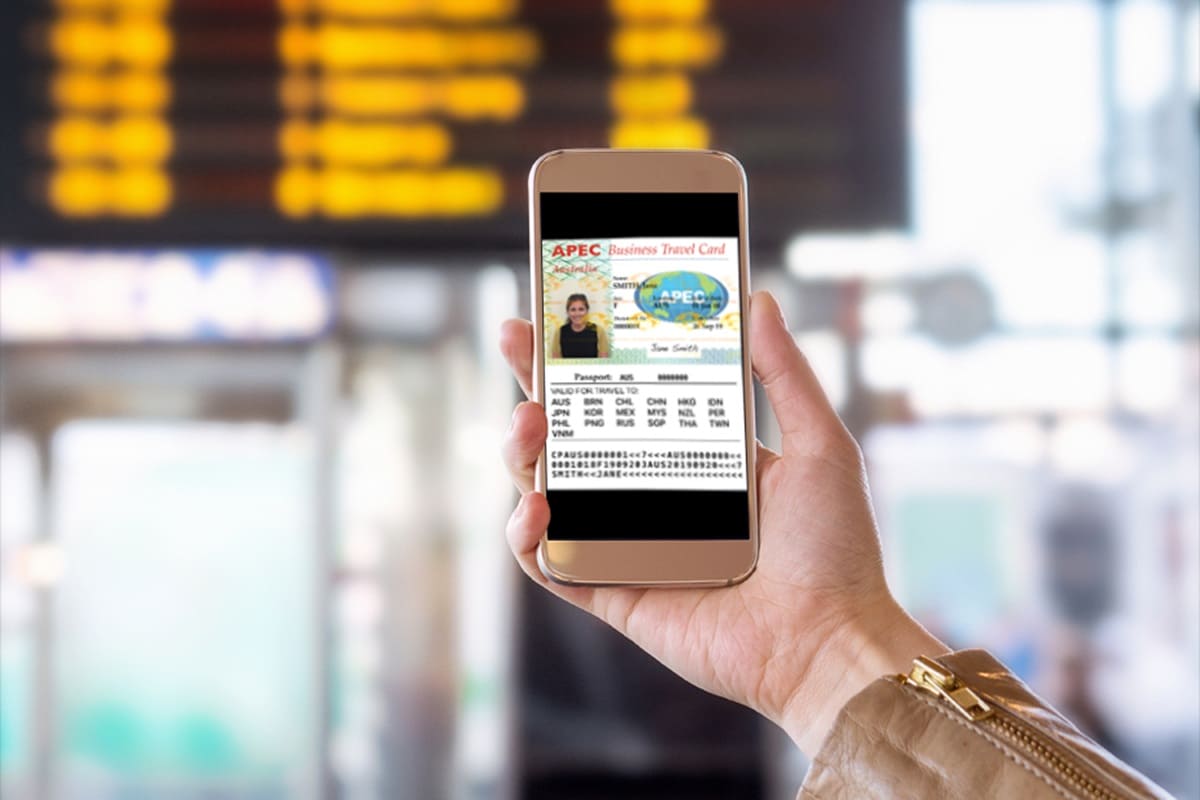
The system could also include digital tools, better use of passenger data and, among the features being considered, an electronic travel authorization available through a mobile app. At this stage, however, a possible Philippine ETA has not been officially announced as a new requirement for travelers.
For Viado, modernization remains necessary to address security challenges. The commissioner said the BI recognizes “the importance of modernizing our border management infrastructure to better combat transnational crimes, human trafficking, terrorism, and other emerging security threats.”
Any fee would have to be justified and clearly explained
The BI chief, however, sought to distinguish the principle of modernizing the system from the possible creation of a new charge for travelers.
Any proposal with a financial impact, he said, must be handled carefully. Viado said authorities understand “the sentiments of our kababayan [fellow citizens], especially during challenging economic times,” adding that any measure that may affect travelers financially must undergo “proper review, consultation, and clear public communication.”
The BI said the review will focus in particular on whether the proposed fee is necessary, reasonable and justified by tangible benefits for travelers. Consultations will also involve stakeholders from the aviation, tourism and transport sectors.
Authorities also want to assess the expected improvements in passenger convenience and border processing efficiency, as well as the safeguards planned for data privacy and cybersecurity. Transparency and accountability mechanisms will also have to be in place throughout the project’s implementation, should it eventually be approved.
No new travel requirement announced for now
In the statement, Viado also emphasized the need to avoid imposing new costs without sufficient explanation. He said the public should not be caught off guard by proposals that would add to their expenses, noting that “the security of our borders is important,” but that it is equally important for people to feel that they are being heard and that their situation is being taken into account.
The commissioner concluded that the authorities’ goal is to build “a safer and more modern border control system,” but said it must be implemented in a way that is clear, fair and able to earn public trust. Before any decision is made, he added, the project must first be studied thoroughly and properly explained to the public.
For travelers, no new CAISS-related requirement applies at this stage. The Bureau of Immigration says it will continue assessing the project with the relevant government agencies and other stakeholders to ensure that its benefits for the public are maximized.
The clarification is significant for the travel sector: CAISS remains one of the Philippines’ main border modernization projects, but neither the proposed fee nor the system’s future features, including a possible electronic travel authorization, are currently being presented as final measures.