The Philippines is preparing a new integrated border control framework that includes an Electronic Travel Authorization system.
In a document devoted to the CAISS project, short for “Civil Aviation and Immigration Security Services,” the Philippine Bureau of Immigration details the expected features of a future integrated border management platform. The proposed system is designed to bring passenger data collection, travel document checks, biometric identification, risk analysis, and the monitoring of entry and exit movements into a single architecture. It would allow authorities to process travelers before arrival, during border control, and after crossing the border, using centralized and interconnected data.
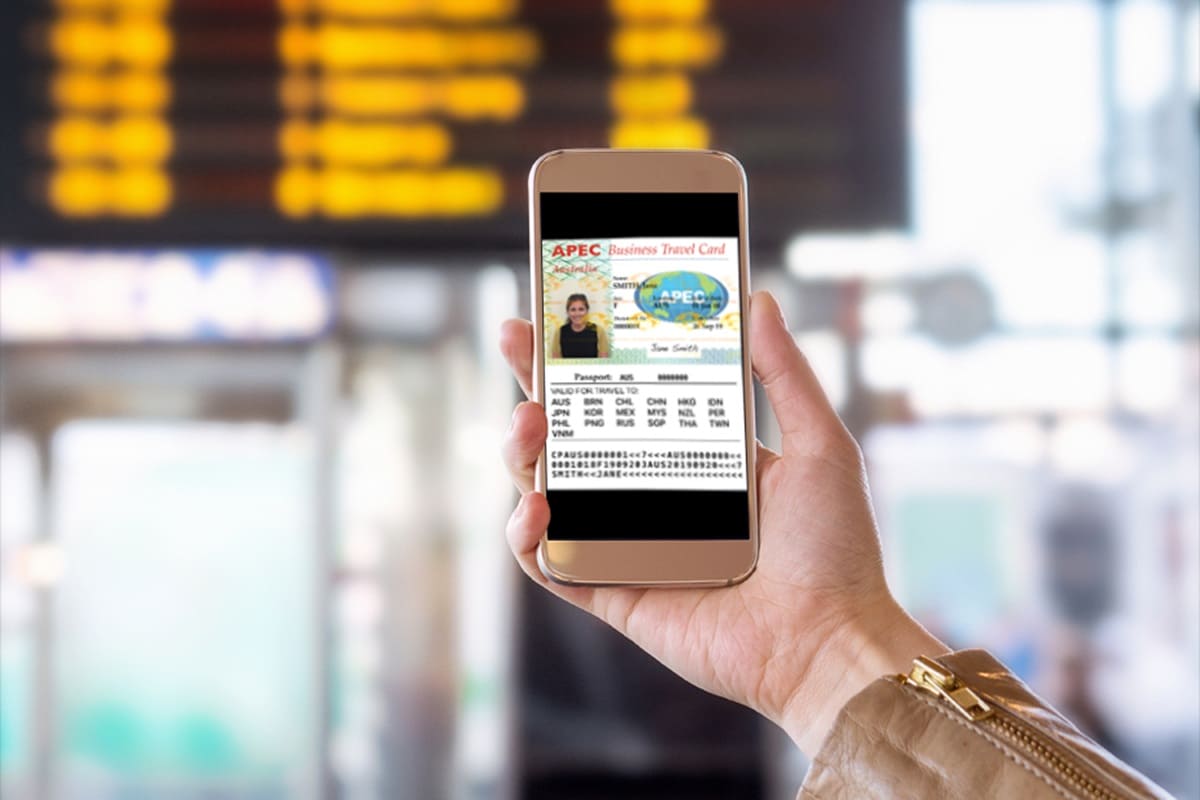
Among the planned features is a notable reference to an “Electronic Travel Authorization” as part of a contactless check-in process involving a mobile app, passport reading, biometric verification, and eligibility checks before the traveler reaches the border.
At this stage, the text does not amount to an official announcement of a new requirement for travelers. It does, however, provide a detailed look at the capabilities the authorities hope to include in their future immigration system.
An ETA project already mentioned in February 2025
The idea of an ETA for the Philippines is not entirely new.
In February 2025, the Public-Private Partnership Center of the Philippines said it had held an online briefing with the Bureau of Immigration to explore public-private partnership opportunities for an Electronic Travel Authorization system, as part of the government’s directive to fully digitize public services. At the time, the Bureau presented an overview of the proposed ETA system.
The inclusion of this concept in the CAISS memorandum shows that the issue remains part of the Bureau of Immigration’s modernization work. The Electronic Travel Authorization is not presented as a standalone form, but as one possible component of an integrated border control platform combining passenger data, digital identity, biometrics, document checks, and risk analysis.
Philippines moving toward an Electronic Travel Authorization via mobile app?
According to the document, the system should allow travelers to register for an Electronic Travel Authorization through a mobile app downloadable from the App Store and Google Play Store. The app would collect passport data using the phone’s camera and NFC technology, verify the traveler’s identity through a selfie, perform liveness checks, and read passport security features in line with ICAO standards.
The document also states that the app would create a “Digital Travel Credential,” meaning an ICAO-compliant digital travel document representing the traveler’s verified passport and ETA application. The data would then be transmitted to the government for eligibility checks, background screening, and risk assessment.
The memorandum provides for implementation at 11 international airports, including Manila, Clark, Cebu, Davao, Boracay, Kalibo, and Puerto Princesa, as well as at one major international seaport and six mobile border crossing points. The system also forms part of the Bureau’s 2024-2026 IT strategic plan, which includes an automated border control system, the deployment of the Advanced Passenger Information System, or APIS, the expansion of e-Gates, and improvements to the Border Management Information System.
Visa, ETA, e-Visa or eTravel, several questions remain
The future system would not be limited to an online request submitted before travel. The document also describes a contactless processing journey at arrival or departure. At the border, travelers would use an automated device capable of capturing their face and matching it with the digital travel credentials previously submitted.
This device would be connected to the advance passenger information system to verify whether the traveler is expected to arrive or depart on the relevant day. It would also carry out background checks, risk assessments, and travel readiness checks according to the policy defined by the authorities. If all checks are satisfactory, the traveler could be admitted. If not, or if some information cannot be found, the traveler would be referred to standard immigration processing.
At this stage, the document does not make it possible to determine the exact form this Electronic Travel Authorization would take. It does not specify whether it would apply to travelers who are currently visa-exempt, as is the case with several ETA-style systems around the world. Nor does it say whether the feature would improve the existing Philippine e-Visa, be added alongside it, or be integrated into another digital process.
The question of the current eTravel system also remains open. The Philippines already has an electronic declaration system before arrival and departure, used by travelers to submit certain health, immigration, and travel information. The CAISS document does not indicate whether the future Electronic Travel Authorization would be merged with eTravel, connected to it, or developed as a separate system.
Documents, biometrics and “Travel Readiness”
The CAISS project also provides for a significant modernization of travel document checks.
The system would have to support automated passport capture, MRZ data extraction, reading of e-passport chips when available, and data validation through the ICAO Public Key Directory.
The document also mentions automated authenticity checks, the detection of document anomalies, and the identification of possible fraud, such as document substitution, alteration of the data page, or inconsistencies between visible data, the MRZ, and the electronic chip.
These document checks would be accompanied by multimodal biometric collection, including facial images, fingerprints, and iris scans. This data would be used to verify the traveler’s identity, detect possible identity conflicts, and link border crossings to a consolidated profile.
The system should also make it possible to check visa status, Electronic Travel Authorization approval, or other eligibility elements as part of a “Travel Readiness” approach.
A development still at the project stage
The CAISS document shows that the Philippines is considering an ambitious transformation of its border management system. The Electronic Travel Authorization appears as one possible building block in a system combining a mobile app, digital travel credentials, biometrics, API/PNR data, document checks, risk analysis, and contactless border processing.
The memorandum also states that the project would be implemented under a public-private partnership, with a 20-year concession and funding based on a fee of US$4 per international traveler, included in the price of airline tickets. That figure should, however, be interpreted with caution. In the document, it refers to the financing mechanism for the CAISS system and is not presented as the announced price of a future ETA.
For travelers, no new obligation can yet be directly inferred from this document. Philippine authorities will still need to clarify whether the future authorization would apply to certain foreign visitors, visa-exempt travelers, e-Visa applicants, or whether it will take the form of an upgrade to existing digital systems.