Jersey, Guernsey and the Isle of Man plan to open ETA applications on April 9, 2026
The Government of Jersey has clarified the rollout timeline for the Electronic Travel Authorisation (ETA) for direct travel to the Crown Dependencies.
Europe Visa and Travel News
The Government of Jersey has clarified the rollout timeline for the Electronic Travel Authorisation (ETA) for direct travel to the Crown Dependencies.
As part of a communication on its digital transformation, the UK Home Office revealed several indicators highlighting how its digital immigration systems operate, including the Electronic Travel Authorisation (ETA) and the electronic visa (eVisa).
The UK Parliament has approved a regulatory measure allowing the legal cap on the Electronic Travel Authorisation (ETA) fee to be increased, paving the way for a future rise in the price currently set at £16. At the same time, the government has announced the removal of Nicaragua and Saint Lucia from the ETA program and the upcoming introduction of a visa requirement for nationals of both countries.
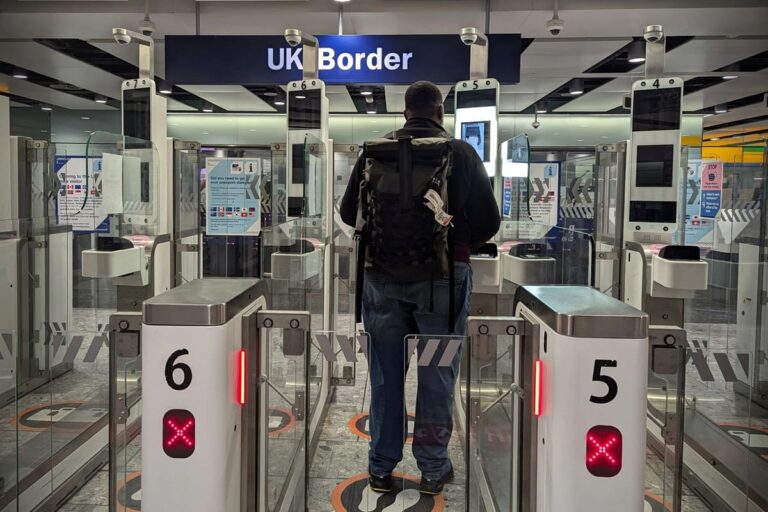
As of February 25, 2026, the ETA is now definitively required for visa-exempt travelers planning a short stay in the United Kingdom. After several months of leniency, London has officially ended the transition period: without a valid ETA, boarding will be denied.
The Government of Jersey states that the British Crown Dependencies plan to introduce the Electronic Travel Authorisation (ETA) requirement for direct travel to the islands “from April 2026.”
As the UK government’s public consultation on the introduction of a tourist tax in England concludes this Wednesday, February 18, the World Travel & Tourism Council (WTTC) has released a study estimating that a £10 daily levy could result in at least £14 billion in potential economic losses.
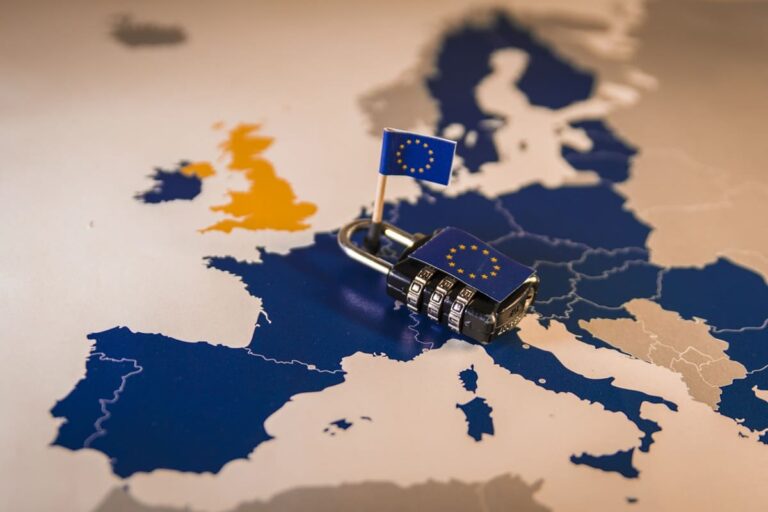
The modernization of the European Union’s external borders is now underway. Since the fall of 2025, the Entry/Exit System (EES) has been gradually rolled out, while ETIAS, expected by the end of 2026, will complete this new digital landscape. Two acronyms that are often confused, yet two clearly distinct systems, both reshaping travel formalities for journeys to Europe. Here’s a closer look.
The European Commission has simultaneously presented the first European strategy on asylum and migration management and the European Union’s very first visa strategy. Designed as two complementary pillars, these initiatives set out a shared direction for the next five years, aimed at strengthening border controls, reducing irregular migration, attracting talent, and modernizing mobility management in a changing geopolitical and security environment.
Russia continues to expand its single electronic visa (e-Visa) system, designed to make entry easier for foreign travelers. A new border crossing has just been added to the existing list, bringing the total number of entry points accessible with this type of visa to 107.
As the UK’s Electronic Travel Authorisation (ETA) becomes fully mandatory for visa-exempt visitors starting February 25, 2026, the British government has announced its intention to increase the fee in the near future. Currently set at £16, the cost is expected to rise to £20.
Belarus has decided to extend its visa-free regime for citizens of 38 European countries by one year, keeping it in effect through December 31, 2026.
As the UK prepares to fully implement its ETA program on February 25, 2026, the British authorities report having issued nearly 20 million electronic travel autorisations since 2023, more than half of them to European nationals.
The UK has announced that the Electronic Travel Authorisation (ETA) will become strictly mandatory starting in February 2026 for all visa-exempt travelers. The measure marks the end of the transition period and accelerates the digitization of border control procedures.
Guernsey announces the extension until 2026 of its program allowing French visitors to travel to the island for same-day trips using only a national ID card. The measure aims to support tourism and strengthen cultural ties with France.
The release of French cyclist Sofiane Sehili, who was detained in Russia’s Far East for “illegal border crossing,” highlights an often-overlooked detail: the electronic visa (e-Visa) does not allow entry into Russia through every border checkpoint. A timely reminder for travelers drawn to this otherwise simplified entry option.