Belarus extends visa-free entry for 38 European countries through the end of 2026
Belarus has decided to extend its visa-free regime for citizens of 38 European countries by one year, keeping it in effect through December 31, 2026.
Europe Visa and Travel News
Belarus has decided to extend its visa-free regime for citizens of 38 European countries by one year, keeping it in effect through December 31, 2026.
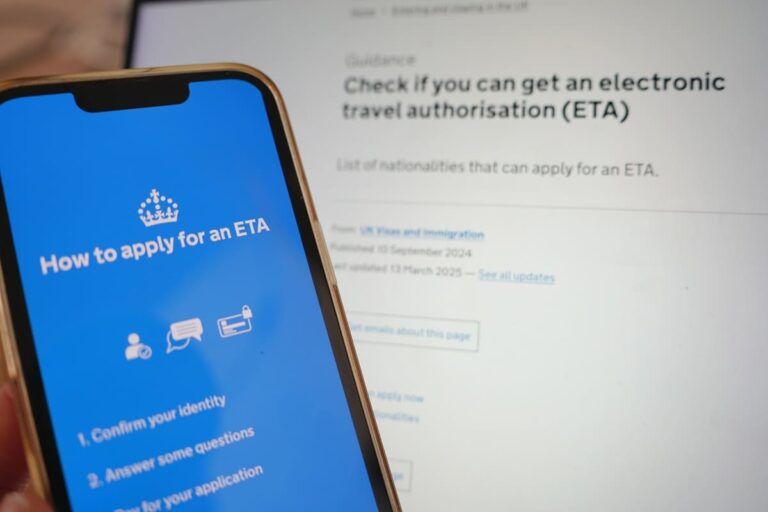
As the UK prepares to fully implement its ETA program on February 25, 2026, the British authorities report having issued nearly 20 million electronic travel autorisations since 2023, more than half of them to European nationals.
The UK has announced that the Electronic Travel Authorisation (ETA) will become strictly mandatory starting in February 2026 for all visa-exempt travelers. The measure marks the end of the transition period and accelerates the digitization of border control procedures.
Guernsey announces the extension until 2026 of its program allowing French visitors to travel to the island for same-day trips using only a national ID card. The measure aims to support tourism and strengthen cultural ties with France.
The release of French cyclist Sofiane Sehili, who was detained in Russia’s Far East for “illegal border crossing,” highlights an often-overlooked detail: the electronic visa (e-Visa) does not allow entry into Russia through every border checkpoint. A timely reminder for travelers drawn to this otherwise simplified entry option.
Montenegro has undertaken a series of reforms aimed at aligning its legal framework with European visa standards, while also initiating work on a future electronic visa system.
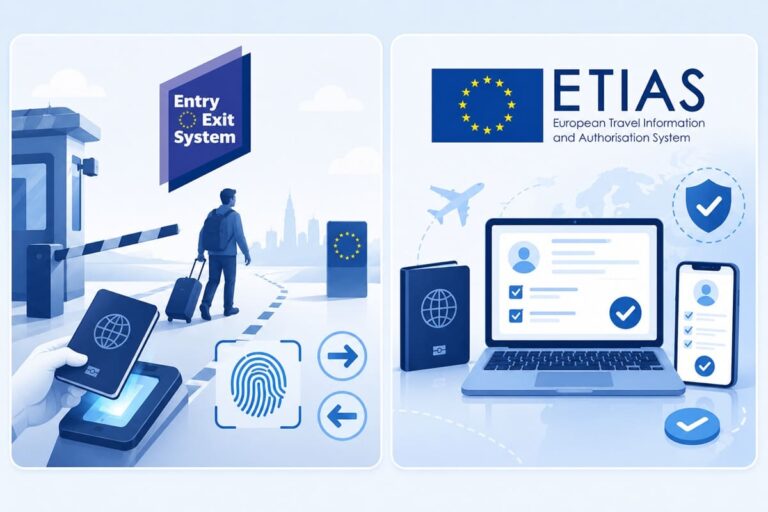
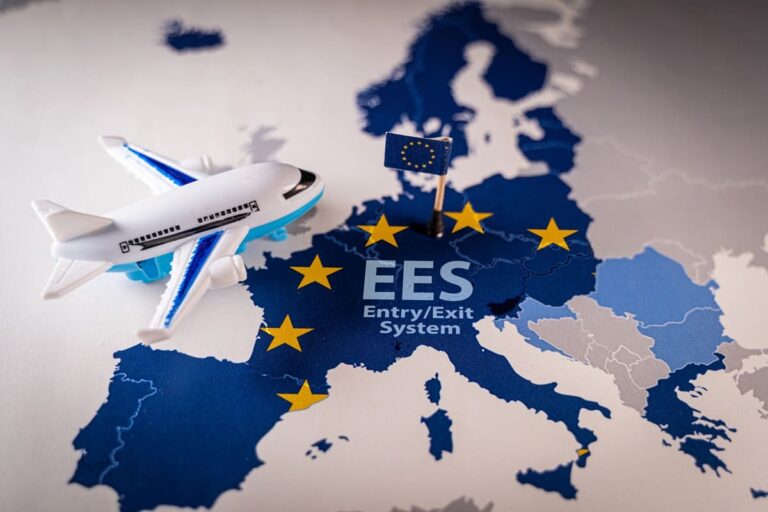
Since October 12, 2025, non-EU travelers entering or leaving the Schengen Area have been subject to a new digital system called the Entry/Exit System (EES). This automated system replaces the traditional passport stamp and is designed to better monitor the length of stays while enhancing border security.
Starting September 1, 2025, Latvia will require travelers from certain third countries to obtain an ETA.
Between October 2023 and June 2025, the UK has issued 13.4 million Electronic Travel Authorisations (ETA) to visa-exempt travelers.
Starting on October 12, 2025, the new Entry/Exit System (EES) for travelers will begin to be rolled out at the external borders of European countries. Designed to modernize controls, this system will be fully operational by April 2026. The Entry/Exit System (EES) is a European program aimed at automating the
The fee for the ETIAS electronic travel authorization, expected at the end of 2026, will increase from €7 to €20. This decision by the European Commission aims to cover the system’s costs and align it with international standards. However, several European tourism stakeholders have expressed reservations… On July 17, 2025,
Between late 2025 and early 2026, Jersey, Guernsey, and the Isle of Man plan to introduce their own electronic travel authorisation (ETA) system, which will be legally distinct from the UK’s system. Introduced in stages since 2023, the Electronic Travel Authorisation (ETA) system is now in place for entry into
Starting August 23, 2025, the validity of the electronic visa (e-Visa) for Russia will increase from 60 to 120 days, while the maximum length of stay will increase from 16 to 30 days. Launched on a large scale in August 2023, the electronic visa (e-Visa) has already facilitated the entry
Even though the European Travel Information and Authorization System (ETIAS) has yet to be rolled out, its original price tag of €7 might already be headed upward. The reason? The European Union is looking for ways to tackle its post-COVID debt. Set to take effect at the end of 2026,
Russia is modernizing its border controls: starting June 30, 2025, all foreign nationals eligible for visa-free entry will be required to obtain an electronic travel authorization in the form of a personalized QR code. In line with other major international destinations, Russia is strengthening its border security through digital means.