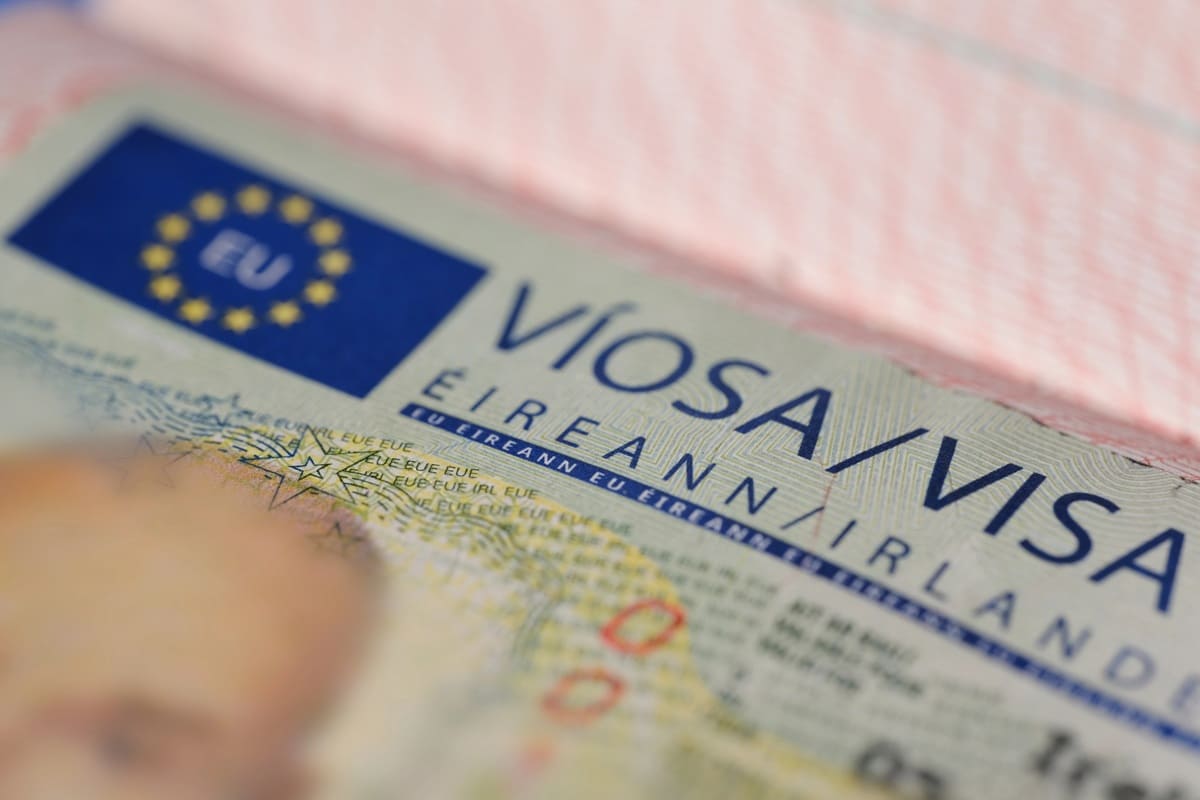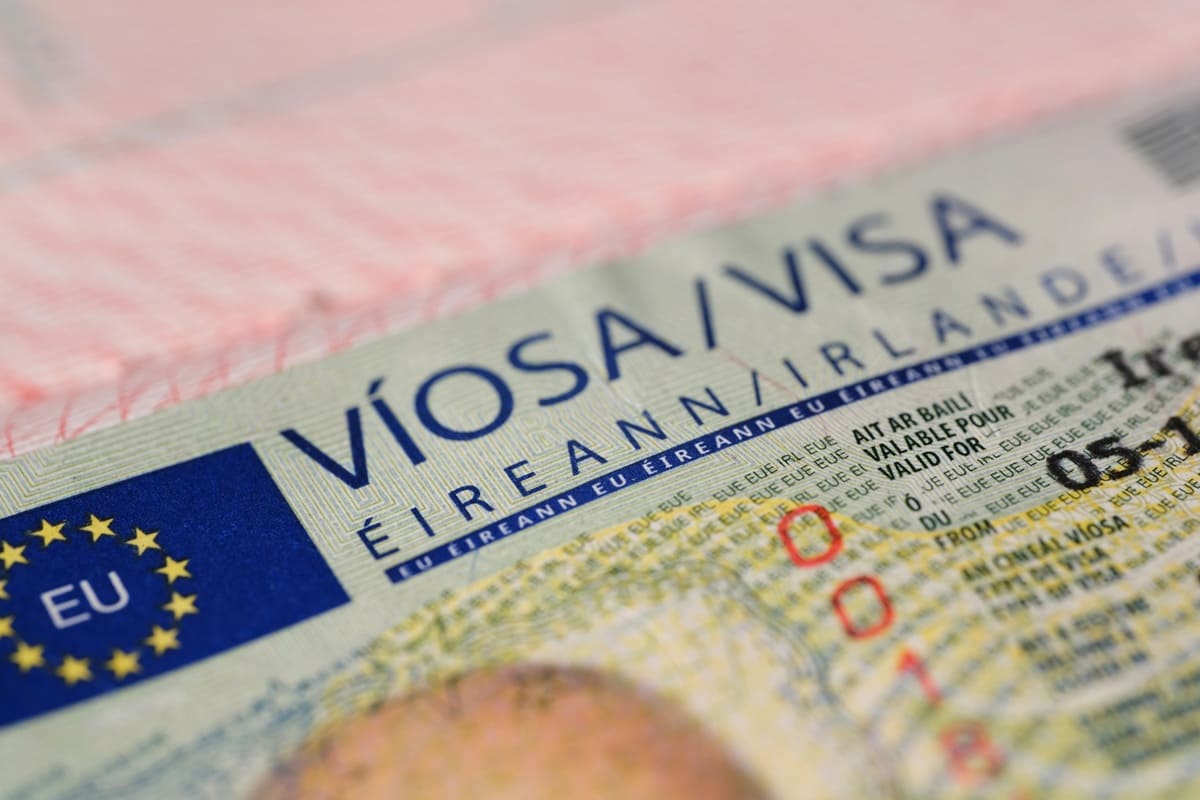
Ireland is set to end the right of appeal for a large share of short-stay visa refusals.
In a press release published on May 29, 2026, Ireland’s Department of Justice, Home Affairs and Migration announced that applicants whose short-stay visa is refused will no longer be able to appeal the decision from June 1, 2026. The change applies to Type C visas, used for temporary stays in the Republic of Ireland, including tourism, family visits and certain events.
The Irish government is presenting the change as a way to streamline case processing and redirect resources toward more complex applications. Applicants affected by a refusal will still be able to submit a new visa application, taking into account the reasons given in the initial refusal decision.
A change applying to refusals issued from June 1, 2026
The change will take effect on June 1, 2026. Short-stay visa refusal decisions issued before that date will remain eligible for appeal under the current rules. Refusals issued on or after June 1, however, will no longer be appealable, except where an exception applies under EU free movement rules.
The removal applies to short-stay Type C visas. Irish authorities have specified, however, that it will not apply to applications made by third-country nationals who fall within the scope of the EU’s free movement directive.
On Ireland’s immigration portal, authorities state that appeals will remain possible for certain short-stay applications linked to Directive 2004/38/EC, including for family members of EU, EEA or Swiss citizens, depending on the categories set out by the Irish administration.
Long-stay visas will still be eligible for appeal
The reform does not change the procedure for long-stay Type D visas. Refusals of long-stay visas will continue to be eligible for appeal.
This includes family categories, excluding short-stay family visits, as well as employment-related applications and long-term study visas. For these cases, the appeals process remains unchanged, according to the Irish ministry.
The government says the reorganization will allow visa appeals officers to focus more on long-stay cases, which are often more complex, and help reduce processing times for those appeals.
Submitting a new application instead of waiting for an appeal
To justify the measure, Minister of State for Immigration Colm Brophy pointed to the often time-sensitive nature of short-stay visas. “In many cases, short stay visas are for a specific trip – a holiday, a family visit, or an event – and by the time the appeal is decided, that opportunity has often passed,” he said.
According to the minister, ending appeals is intended to prioritize a faster route for applicants. Instead of waiting for the outcome of an appeal process, people whose short-stay visa has been refused will be able to submit a new application, addressing the reasons given in the first refusal decision. Irish authorities say this should allow applicants to receive a new decision more quickly.
“This change is about being practical and making better use of our resources,” Brophy added. “Instead of a lengthy appeals process, applicants will have the option to submit a new application and get a decision much more quickly.”
The minister also described the move as a way to better manage administrative resources. “At the same time, it allows us to focus our resources where they have the greatest impact. Overall, this will help us deliver a more efficient visa system,” he said.
No legislative change required
The department said no legislative amendment is required to implement the measure. The change is therefore an administrative adjustment to the way visa refusal decisions are handled.
For travelers who require a visa to enter Ireland, the change will make the initial application even more important. From June 1, 2026, a refusal of a short-stay visa for Ireland will generally no longer be appealable. In most cases, the only option will be to submit a new application, correcting the issues that led to the initial refusal.