ETIAS launch could be pushed back to 2027
The launch of ETIAS, the electronic travel authorization expected for visa-exempt travelers heading to the Schengen Area, could ultimately be pushed back to 2027.
Thailand is reminding foreign visitors that they may be asked to show proof of sufficient financial means when passing through immigration.
India is exploring ways to simplify its tourist visa system, including the possibility of a visa on arrival for certain travelers. The e-Visa portal could also be streamlined to reduce friction before departure.
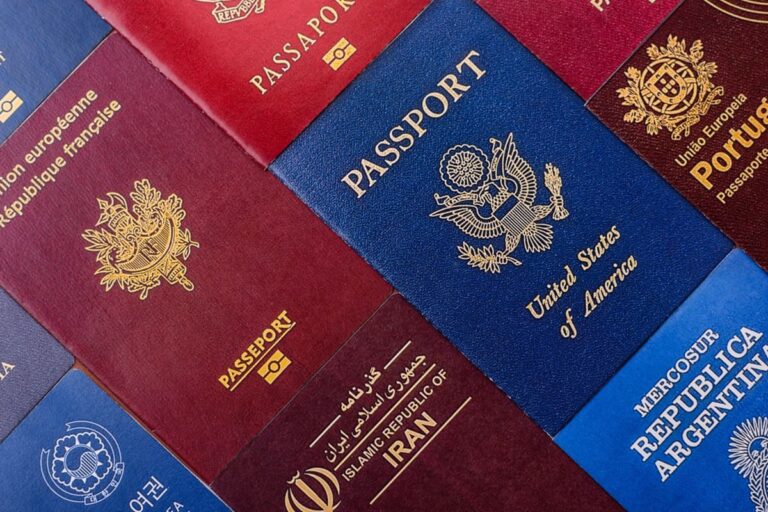
Henley’s ranking of the world’s most “powerful” passports has been updated for June 2026. The latest edition confirms the main trends seen in recent months, while bringing a few changes near the top of the global table.
Australia increased the fees for its Working Holiday Maker visas on July 1, 2026. A first Working Holiday visa application now costs AU$840, while a second or third application costs AU$1,000.
Bangladesh is moving toward a new visa policy designed to replace the framework in place since 2006. A ministerial committee has been tasked with refining the draft “Visa Policy 2026,” which includes a reorganization of visa categories and a possible shift toward an e-Visa system.
Since July 1, 2026, travelers entering or leaving South Africa must complete an online declaration before their trip. This customs formality, separate from visa requirements, is used to declare goods, currency, or items subject to control.
Armenia has renewed for one year its temporary visa exemption for nationals of selected countries who hold a valid residence permit issued by several recognized states or areas. The updated list now covers 111 countries, down from 113 during the first phase of the policy.
India has relaunched Air Suvidha 2.0, a mandatory online health declaration for international passengers arriving in the country. The system is designed to strengthen health surveillance at points of entry amid the Ebola/Bundibugyo outbreak in the Democratic Republic of the Congo and Uganda.
Vietnam has clarified the rollout of its border health declaration. The formality may be activated depending on the health situation, but it does not automatically apply to all travelers starting July 1, 2026.
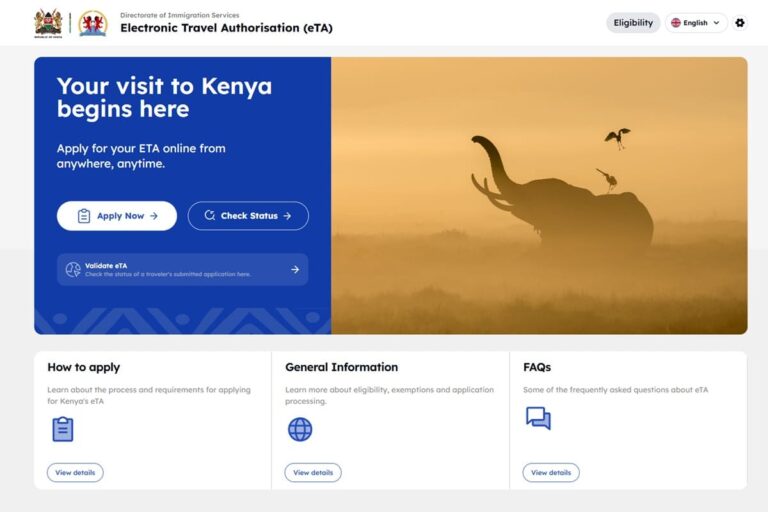
The UAE is expanding its visa-on-arrival program to nationals of six countries. The measure applies to travelers from Indonesia, Vietnam, Thailand, the Philippines, Kenya, and South Africa, provided they hold a valid residence permit issued by certain countries recognized by Emirati authorities.
Saudi Arabia will launch an Electronic Travel Authorization for UK citizens on July 1, 2026. Presented as a reciprocal measure following travel facilitation granted by the United Kingdom to Saudi nationals, the new ETA will allow multiple entries and stays of up to 180 days over a one-year period.
Artificial intelligence (AI) is no longer just a topic of technological debate. In the fields of migration and international mobility, it is already being used to process data, verify identities, support visa applications and streamline certain border controls.
Turkey has expanded its visa exemption for Algerian nationals holding ordinary passports. Travelers under 15 and over 50 can now enter Turkey without a visa for tourist stays of up to 90 days within any 180-day period.
Mauritius’ 2026-2027 budget confirms plans for a future electronic pre-travel system. Described as an e-Visa in the Budget Speech and as an ETA in the official annex, the system is expected to allow non-citizens to obtain digital authorization before traveling to the island.