Thailand is strengthening its Ebola prevention measures for travelers arriving from areas considered at risk.
The Thai Ministry of Public Health updated its procedures after the National Communicable Disease Committee decided to impose stricter rules on people who have stayed in or transited through the Democratic Republic of the Congo and Uganda. Thailand has designated both countries as areas infected with a dangerous communicable disease, amid an outbreak of Ebola virus disease caused by the Bundibugyo strain.
According to Thailand’s Department of Disease Control, no Ebola cases have been detected in the country so far. Authorities say the strengthened measures are justified by the severity of the disease and its incubation period, which can be as long as 21 days.
The announcement also comes as Thailand is already preparing to tighten some entry conditions, including a planned reduction in the visa-free stay period from 60 to 30 days for many foreign travelers.
Entry limited to Suvarnabhumi Airport
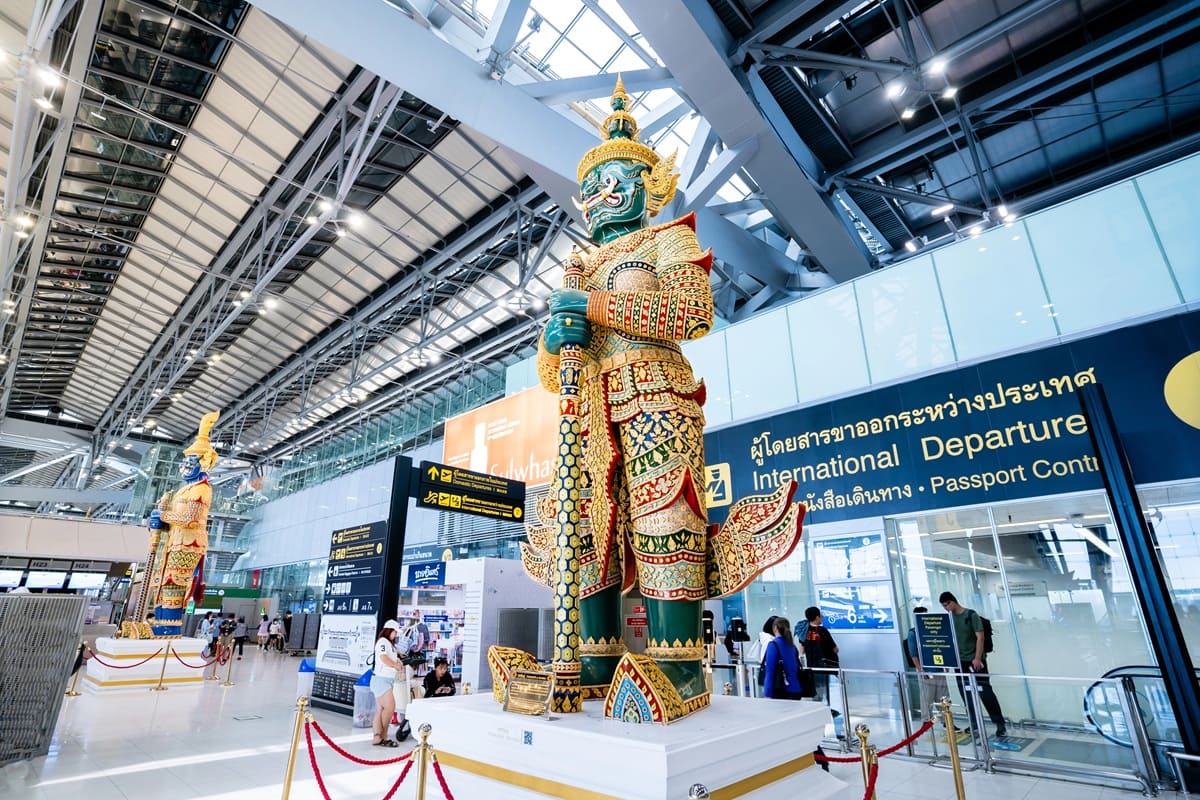
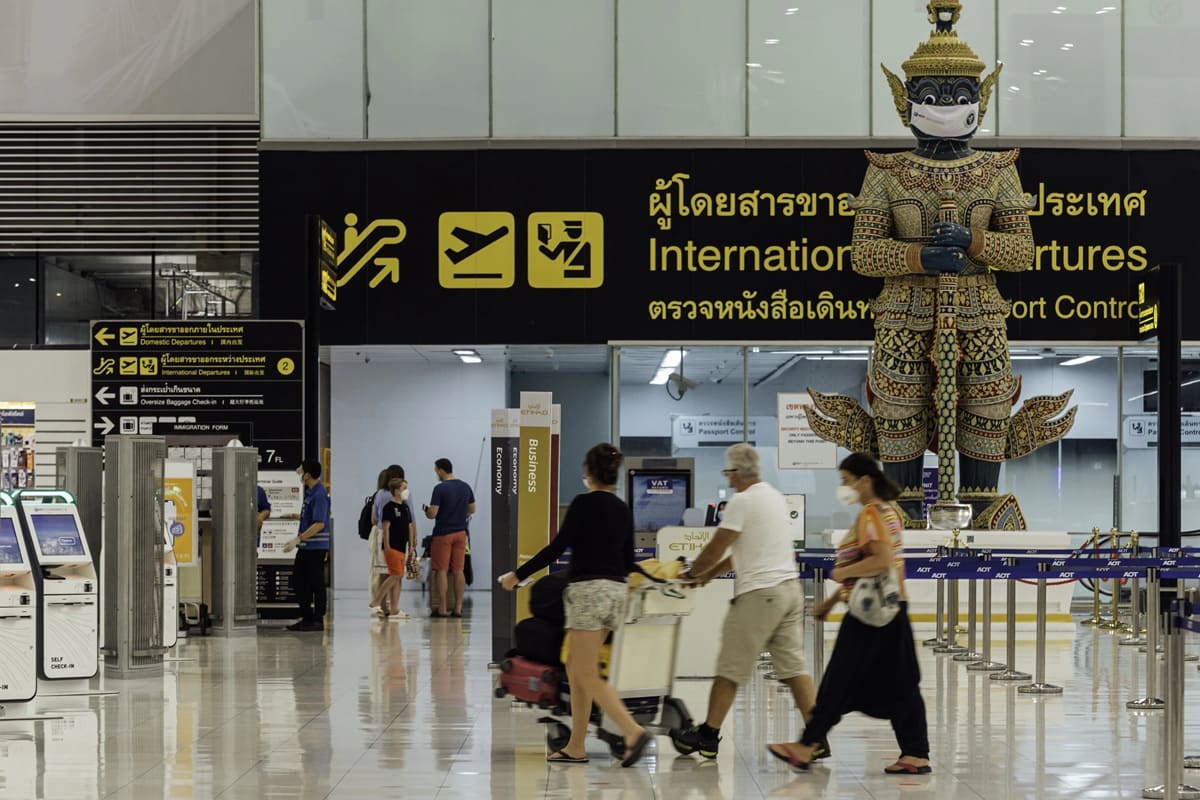
Starting May 27, 2026, at 6:00 p.m., travelers arriving from the Democratic Republic of the Congo or Uganda, or who have transited through either country, are allowed to enter Thailand only through Suvarnabhumi International Airport in Bangkok.
Upon arrival, they must undergo a health screening conducted by Thai communicable disease control officers. Those officers may then issue mandatory instructions to travelers under Thailand’s Communicable Diseases Act.
The Tourism Authority of Thailand (TAT) said the measures apply to travelers arriving from, or transiting through, areas designated as at risk. The measures will remain in effect until the situation improves or until Thai health authorities and the World Health Organization issue further guidance.
Quarantine or isolation for at least 21 days
Travelers covered by the measures who do not show symptoms consistent with Ebola must undergo quarantine for at least 21 days at a location designated by Thai authorities.
Those who show symptoms will be placed in isolation for at least 21 days at a designated public health facility.
The distinction is important: quarantine applies to travelers who have no symptoms but may have been exposed to risk, while isolation applies to people who are symptomatic or suspected of being infected.
The Department of Disease Control said it had been tasked with preparing quarantine facilities for travelers entering Thailand from May 27, 2026, at 6:00 p.m. The measures will be reviewed regularly and adjusted according to the development of the situation.
TDAC required for foreign nationals
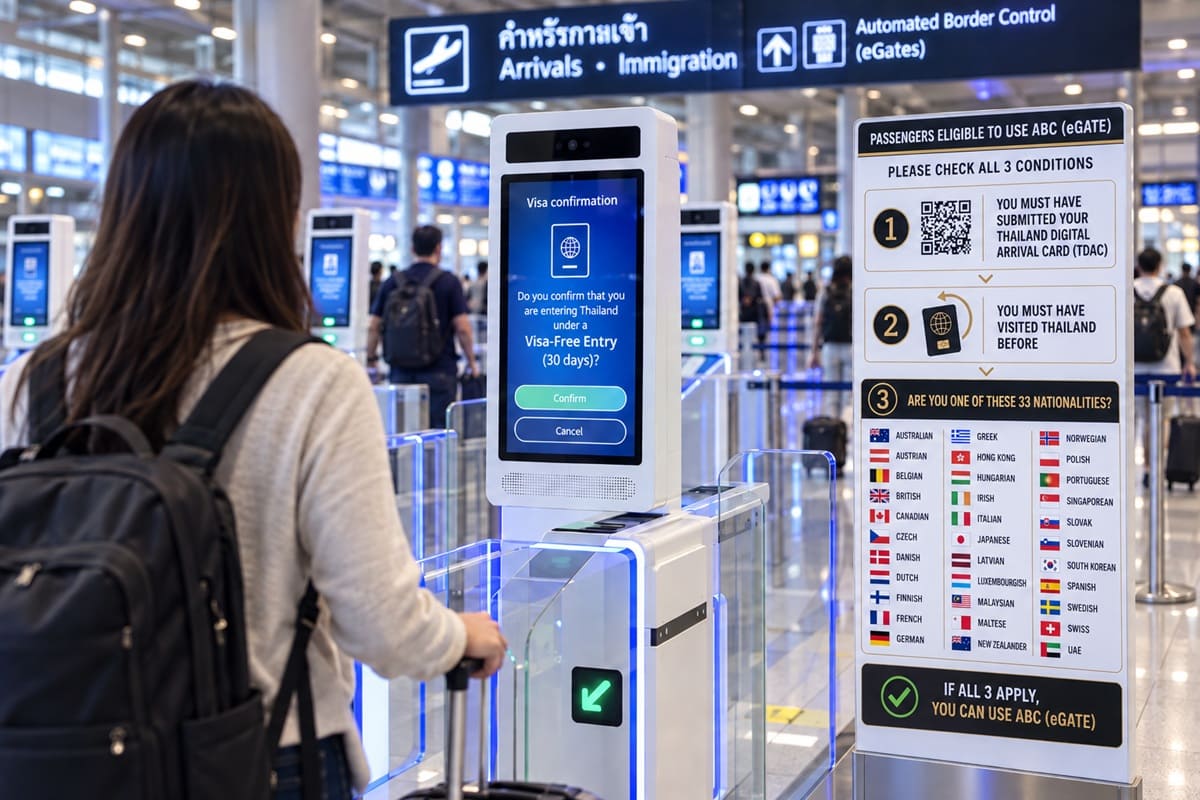
Before departure, foreign nationals arriving from the Democratic Republic of the Congo or Uganda, or who have transited through either country, must register through the Thailand Digital Arrival Card (TDAC), the digital arrival declaration now used by Thailand.
Thai nationals, for their part, must register through the Thai Health Pass during airline check-in.
Travelers are also urged to provide accurate information about their travel history and health status. Airlines must screen passengers before departure and submit the necessary information to Thai communicable disease control officers.
Penalties for noncompliance
Thai authorities warn that travelers who refuse to comply with instructions from health officers may face penalties.
Failure to comply with an isolation or quarantine order may result in a fine of up to 20,000 baht. Leaving an isolation or quarantine site in violation of an official order may be punishable by up to one year in prison, a fine of up to 100,000 baht, or both.
Dr. Montien Kanasawat, director-general of Thailand’s Department of Disease Control, called on travelers to cooperate by accurately declaring their travel history in order to help prevent and control the disease effectively.
He also said Thailand’s surveillance system was ready, with personnel, medical supplies and laboratory capacity in place.
Thai citizens advised against nonessential travel to DRC and Uganda
Thai citizens in Thailand are being advised to avoid nonessential travel to the Democratic Republic of the Congo and Uganda.
Those who must travel are urged to register with the Royal Thai Embassy in their destination country, follow local health guidance, and prepare for health screenings and quarantine measures upon their return.
Travelers with health-related questions can contact the Department of Disease Control hotline at 1422.