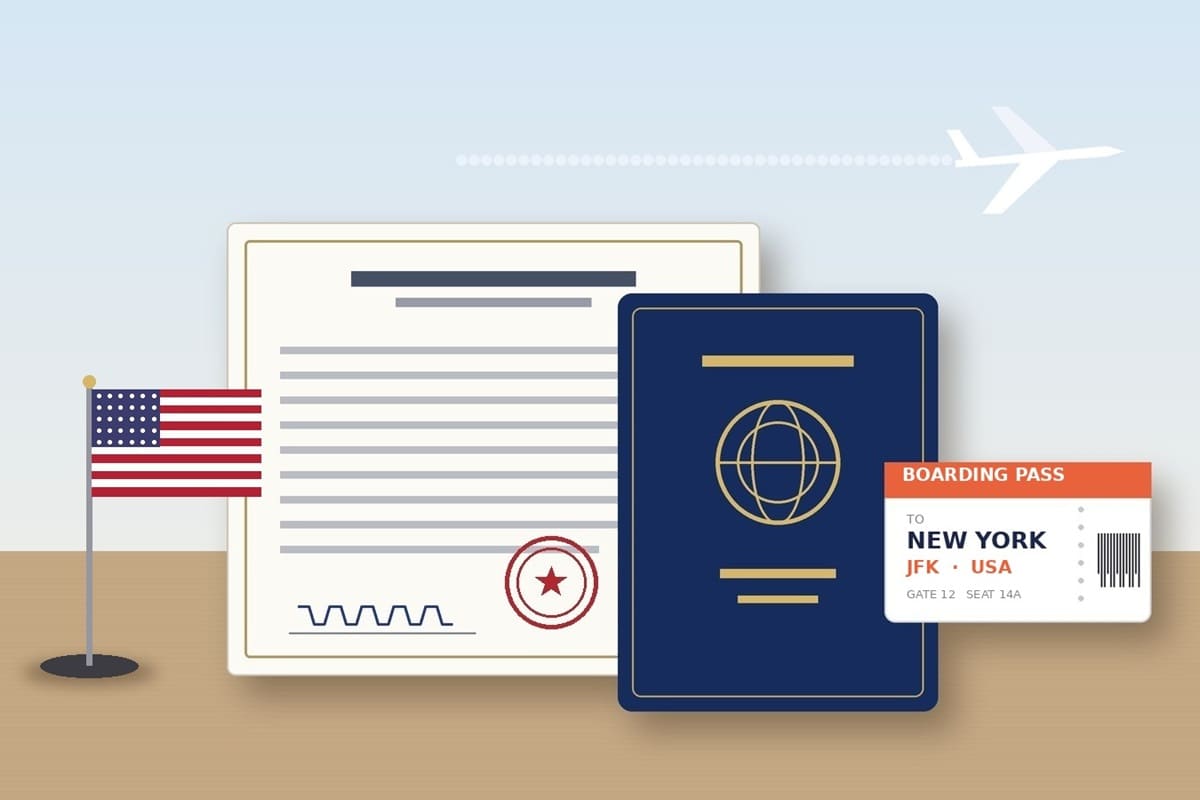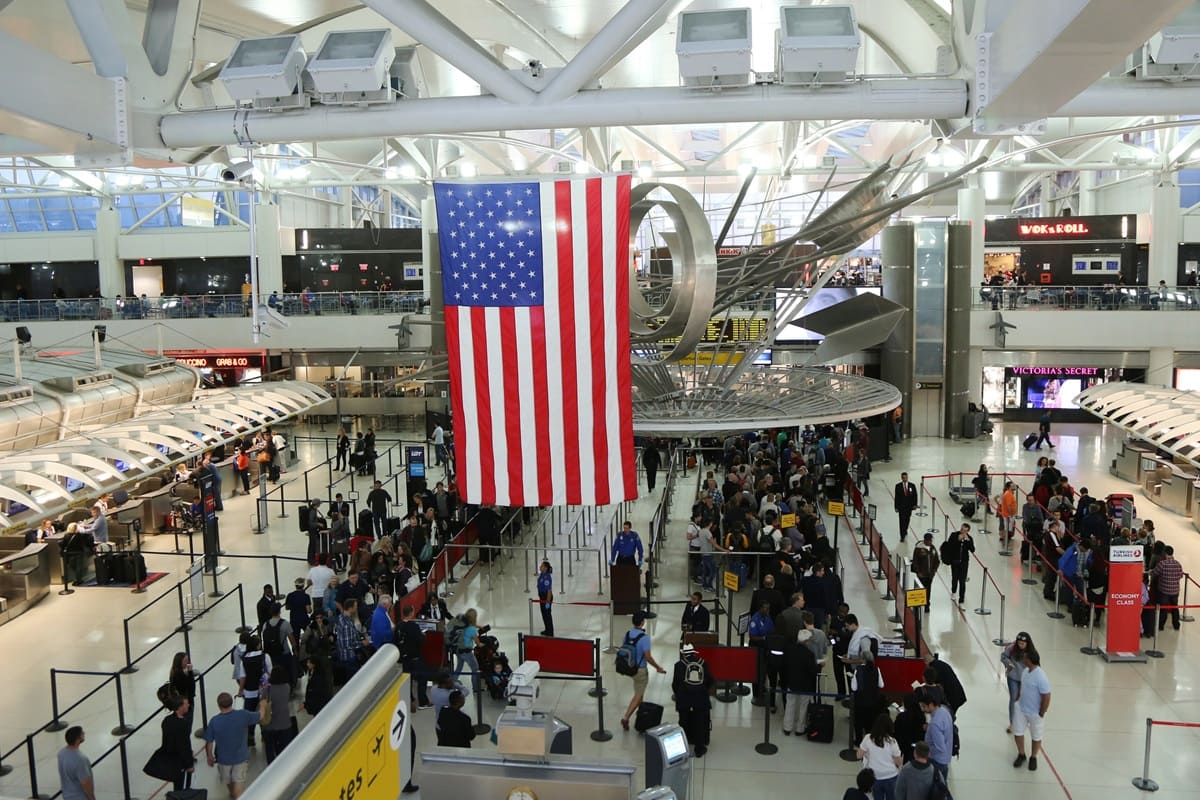
For a British, Australian or European traveler, applying for ESTA before flying to the United States is now a routine part of preparing for a trip.
Yet this electronic travel authorization did not exist at the time of the September 11, 2001 attacks. It emerged several years later as part of a sweeping overhaul of US traveler screening policies.
9/11 exposed weaknesses in traveler screening
The 2001 attacks quickly put visas, passports and border controls at the center of US national security policy.
According to the National Commission on Terrorist Attacks Upon the United States, the 19 hijackers submitted a total of 24 US visa applications and were issued 23 visas. Several applications were incomplete, while inaccurate information did not prevent some visas from being granted.
One important point should be made, however: none of the attackers were citizens of a country participating in the Visa Waiver Program, which allows eligible travelers to visit the United States without a visa.
The issue identified after 9/11 therefore went far beyond visas alone. More broadly, it concerned the ability of US authorities to identify travelers, check their backgrounds and share information between agencies before they reached the United States.
The recommendations made after the attacks led Washington to rethink not only visa issuance, but also travel documents, biometric screening and, gradually, the conditions under which certain foreign nationals could travel to the United States without a visa.
US visas become biometric
Changes came quickly.
In 2002, the Enhanced Border Security and Visa Entry Reform Act strengthened the security of travel documents and notably expanded the use of biometric identifiers.
The State Department then began rolling out electronic fingerprint collection for visa applicants at US embassies and consulates. Today, biometric data collected during the visa process can still be used to verify a traveler’s identity and cross-check information held by US authorities.
Beginning in 2004, the United States also expanded biometric screening at its borders, including photographs and fingerprints for many foreign travelers upon arrival.
The same approach gradually extended to travelers who did not need a visa.
Countries participating in the Visa Waiver Program were required to strengthen the security of their travel documents and meet new requirements related to information sharing and counterterrorism.
An electronic passport containing a chip also became essential for travelers seeking to use the Visa Waiver Program.
Visa-free travel therefore remained in place, but it gradually came with additional layers of screening.
ESTA moves part of the screening process before departure
One of the most visible changes for travelers came several years later.
In 2007, Congress passed a law whose name directly reflected its connection to the attacks: the Implementing Recommendations of the 9/11 Commission Act.
Section 711 modernized the Visa Waiver Program and provided for the creation of an electronic system allowing US authorities to assess travelers before they departed for the United States.
This was the legal foundation for the Electronic System for Travel Authorization, better known as ESTA.
The system began accepting applications in August 2008 and became mandatory on January 12, 2009, for travelers arriving by air or sea under the Visa Waiver Program.
The shift was significant.
Screening no longer began only at a US consulate for people applying for a visa or at immigration after a traveler reached the United States. Part of the vetting process now took place before the traveler even boarded their flight or ship.
Since October 1, 2022, ESTA has also been required for Visa Waiver Program travelers who want to enter the United States by land. Previously, eligible travelers could arrive at a land border crossing, particularly from Canada or Mexico, without prior ESTA authorization and complete the necessary entry formalities there.
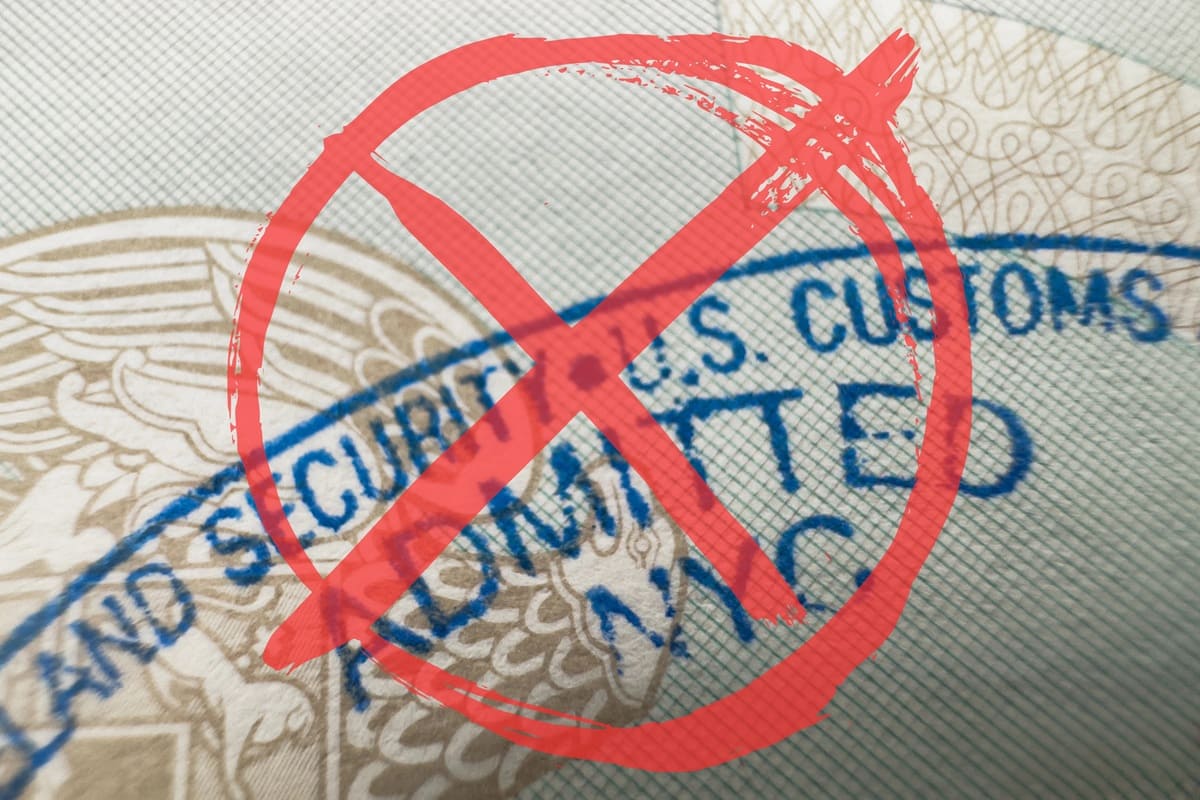
ESTA nevertheless remains different from a visa. As the US Customs and Border Protection explains, an approved ESTA allows a traveler to travel to the United States under the Visa Waiver Program, but it does not guarantee admission into the country.
Twenty-five years later, pre-travel screening continues to evolve
The legacy of 9/11 therefore goes beyond tougher requirements for obtaining a US visa.
It also helped move part of the screening process upstream, before the journey begins. Electronic passports, ESTA authorization, checks against multiple databases and information sharing between governments are now built into the operation of the US Visa Waiver Program.
And 25 years later, that approach is still evolving.
In December 2025, the US administration unveiled a proposal that could significantly expand the amount of information requested through ESTA.
The US Customs and Border Protection proposal notably envisioned making it mandatory for applicants to disclose social media accounts used during the previous five years, information that currently remains optional.
The proposal also referred to phone numbers used over the previous five years, email addresses used over the previous ten years, and more detailed information about an applicant’s family members, including parents, spouses, siblings and children.
Other changes under consideration involve biometric data and greater use of the ESTA mobile app.
As VisasNews explained in April in an overview of discussions surrounding ESTA and personal data, these new requirements have not yet been broadly implemented.
The initial proposal could also still change. In May 2026, CBP said it was reviewing the large number of comments received during the public consultation and was considering, for social media information, a more targeted approach under which additional information might not necessarily be required from every traveler.
The proposed changes have also raised concerns in Europe. The European Data Protection Board notably questioned the European Commission about the volume of information that could potentially be collected on European travelers and their relatives.
For travelers from countries such as the UK, Australia or New Zealand, the debate is especially relevant because ESTA remains a key part of visa-free travel to the United States, even though the current EU-US negotiations concern European Union member states specifically.
Visa-free travel itself increasingly relies on information sharing
Another issue illustrates the same trend.
The United States is now asking countries participating in the Visa Waiver Program to strengthen cooperation on border security and information sharing.
On September 10, 2026, the European Commission moved forward with plans for a new agreement with Washington intended to help EU member states meet these requirements.
The issue is directly linked to preserving visa-free travel for EU citizens: the United States wants greater ability to verify the identity and background of certain travelers, including through biometric data held by partner countries.
These negotiations do not currently change ESTA requirements for European travelers. Nor do they directly concern British, Australian European citizens, whose countries participate in the Visa Waiver Program under their own arrangements with the United States.
They nevertheless show that, 25 years after 9/11, the underlying principle remains the same: collecting and cross-checking more information about travelers before they reach the US border.
From tighter visa controls after 2001 to biometrics, and from ESTA to current proposals involving social media and international data sharing, the tools have changed. The underlying philosophy has remained remarkably consistent: moving more and more of the screening process before the journey begins.
From 9/11 to ESTA: key dates
- September 11, 2001: the attacks expose several weaknesses in visa screening, travel documents and information sharing between government agencies.
- 2002: the Enhanced Border Security and Visa Entry Reform Act strengthens the security of visas and travel documents used to enter the United States and expands the use of biometric data.
- 2004: biometric checks are gradually expanded for many foreign travelers, alongside the rollout of biometric visas at US consulates.
- 2006: electronic passports become a key requirement for newly issued passports used under the Visa Waiver Program.
- 2007: the Implementing Recommendations of the 9/11 Commission Act provides for the creation of an electronic pre-travel authorization system for visa-exempt travelers.
- 2008: the United States launches ESTA.
- January 12, 2009: ESTA becomes mandatory for air and sea travel under the Visa Waiver Program.
- October 1, 2022: ESTA is extended to Visa Waiver Program travelers entering the United States by land.
VisasNews Take
ESTA is not a visa, but it remains one of the most visible legacies of the reforms introduced in the United States after September 11, 2001. For British, Australian, New Zealand and European travelers eligible for the Visa Waiver Program, visa-free travel has been preserved, but it now comes with mandatory electronic screening before departure. Changes currently under consideration, particularly those involving social media and information sharing, show that this approach continues to evolve, even though several of the proposed new requirements have yet to be implemented.