The United States has now revoked more than 300,000 visas since Donald Trump began his second presidential term in January 2025.
The figure was included in a White House report published on October 20, 2026, outlining the administration’s record on immigration enforcement.
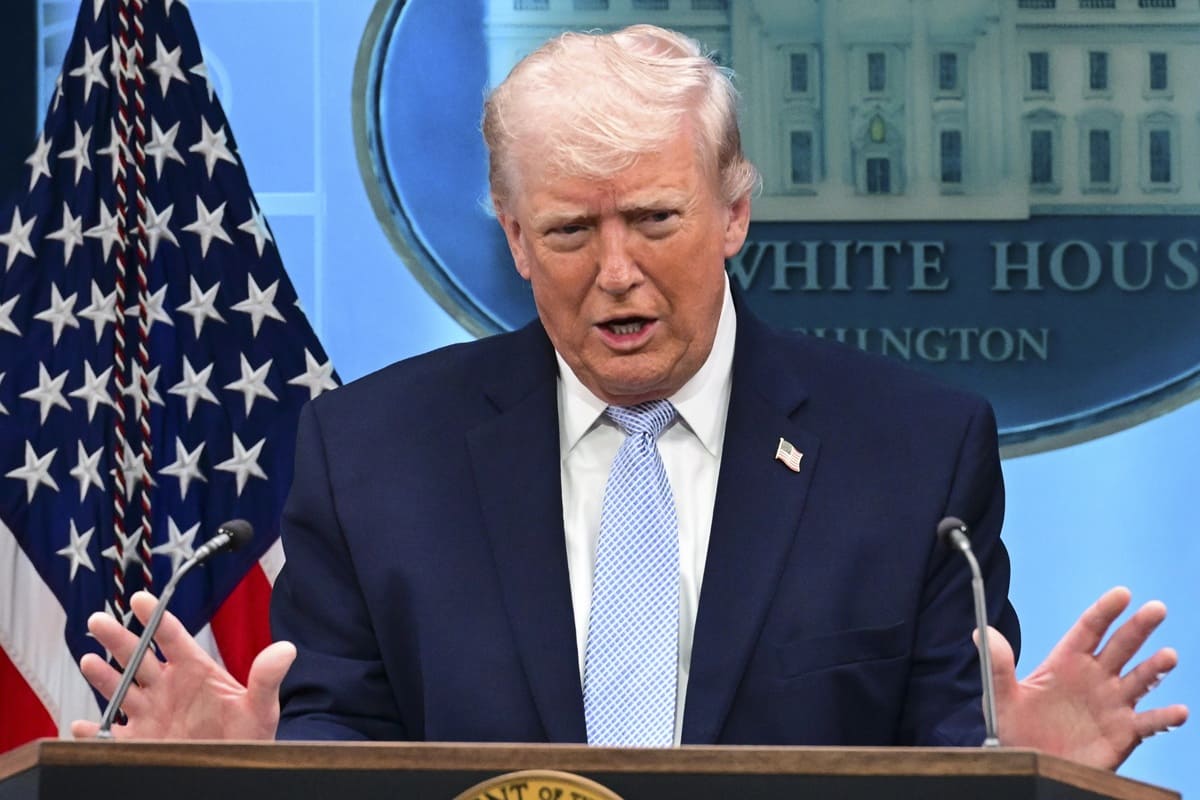
The State Department also confirmed the total. Its spokesperson, Tommy Pigott, emphasized the scale of the administration’s visa revocations: “With over 300,000 revocations, the Trump administration has revoked more visas at a faster pace than any administration in history.”
Pigott also made the administration’s position clear: “Let the message be clear: we have zero tolerance for foreigners here on visas who break the law, commit fraud, or undermine our national security. We are taking, and will continue to take, action to keep our borders, and our nation, secure.”
The announcement comes as Washington has significantly tightened screening procedures for foreign nationals seeking to enter or remain in the country.
More than 300,000 visas revoked in less than two years
The latest U.S. government figures show a sharp acceleration in visa revocations in recent months.
On August 10, 2026, the State Department reported that more than 175,000 visas had been revoked since January 2025. By late September, the total had already exceeded 250,000, before passing the 300,000 mark on October 20.
U.S. officials have cited a range of reasons for these decisions, including criminal offenses, violations of immigration rules, immigration fraud, and potential national security threats.
However, the State Department has not released a comprehensive breakdown showing exactly how the revocations are distributed by nationality, visa category, or reason for cancellation.
Birth tourism and student visas among the reasons for revocation
In its October 20 statement, the White House provided additional details about some of the visa categories affected.
According to figures released by the administration:
- At least 4,000 visas have been revoked in cases linked to so-called birth tourism.
- 6,000 student visas have been revoked from foreign nationals whom U.S. officials say committed crimes or have ties to terrorism.
- More than 700 visas held by Chinese nationals have been revoked by the administration’s Birth Tourism Prevention Task Force since it was established in August 2026.
These figures cover specific categories and do not represent a complete breakdown of the more than 300,000 visa revocations announced by the administration.
Birth tourism refers to traveling to the United States primarily to give birth so that the child can acquire U.S. citizenship.
The practice has faced increased scrutiny from Washington in recent months.
In August, President Trump signed two executive orders aimed at cracking down on birth tourism, including measures providing for visa restrictions and revocations in certain cases.
On September 23, the State Department also announced the launch of a reporting portal for suspected visa fraud and misuse.
U.S. visa holders face increased scrutiny
The revocations are part of a broader policy of increased scrutiny of foreign nationals, including after their visas have been issued.
U.S. authorities have stepped up background checks on visa applicants and expanded their review of information available on social media.
The revocation policy is therefore not limited to individuals who entered the United States illegally. It can also affect foreign nationals who legally obtained a visa but whose circumstances are later reassessed by U.S. authorities.
In August 2026, VisasNews also reported that U.S. officials were considering a measure that could affect up to 200,000 B-1/B-2 visas.
The proposed initiative targeted foreign nationals who entered the United States on visitor visas for tourism or business purposes before subsequently applying for asylum.
However, the October 20 report does not indicate how extensively that initiative has been implemented or how many of those cases, if any, are included in the more than 300,000 revocations announced.
The administration’s approach has also drawn criticism from civil rights and immigrant advocacy organizations, particularly over visa revocations linked to political expression or social media activity.
What does a visa revocation mean for travelers to the United States?
A visa revocation should not be confused with a visa denial or deportation from the United States.
Under the State Department’s official definition, a revoked visa is one that has been canceled and can no longer be used to travel to the United States, even if the expiration date printed on the visa has not yet passed.
Foreign nationals whose visas have been revoked can no longer use those visas for future travel to the United States. Whether they can obtain a new visa depends on their individual circumstances and the reasons for the revocation.
For individuals already in the United States, the potential consequences for their lawful immigration status must be assessed separately.
It is also important to distinguish U.S. visas from ESTA travel authorization, which is used by eligible travelers from countries participating in the Visa Waiver Program, including the United Kingdom, Australia, New Zealand, Japan, and many European countries.
The figures released by Washington do not, in themselves, indicate a blanket cancellation of ESTA authorizations or the introduction of new entry requirements for all international travelers.
VisasNews Take
With more than 300,000 visas revoked since January 2025, the United States has reinforced its policy of increased scrutiny of foreign nationals, including after visas have been issued.
However, this figure requires careful interpretation: a visa revocation does not necessarily mean deportation, and U.S. authorities have not released a complete breakdown of the cancellations by nationality or visa category.
For travelers, the announcement serves as a reminder that a U.S. visa can be revoked before its printed expiration date, particularly when authorities determine that the conditions under which it was issued or used are no longer being met.