With 2027 approaching, international travelers have good reason to keep an eye on upcoming government announcements regarding entry requirements.
In recent years, several destinations have introduced temporary visa waivers, sometimes extending them multiple times, to encourage tourism, business travel, and international exchanges.
However, some of these arrangements, which currently allow eligible travelers to enter without a visa or prior electronic travel authorization, are officially guaranteed only through December 31, 2026.
While further extensions remain possible, maintaining these policies beyond that date will, in many cases, require new government decisions.
China: Visa-free entry for 48 countries awaits another extension

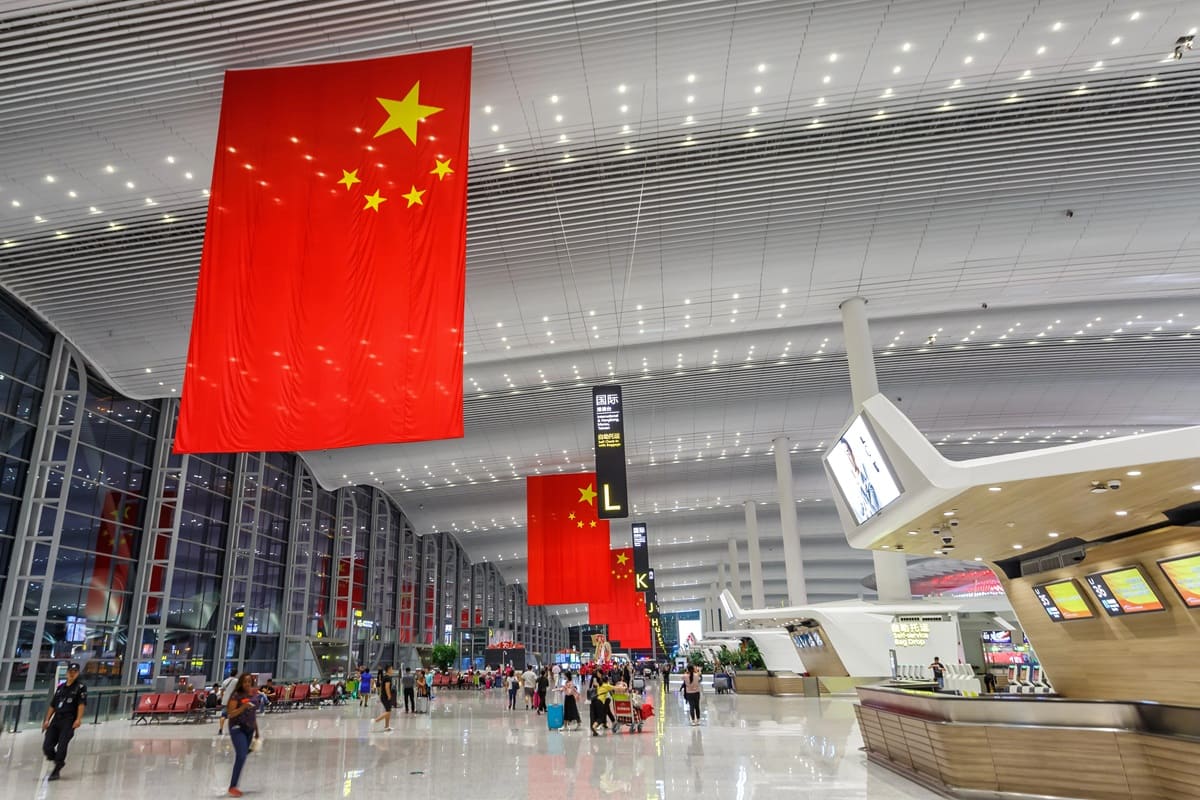
China’s visa-free policy is approaching one of its most significant deadlines, particularly for travelers from Europe and other eligible countries.
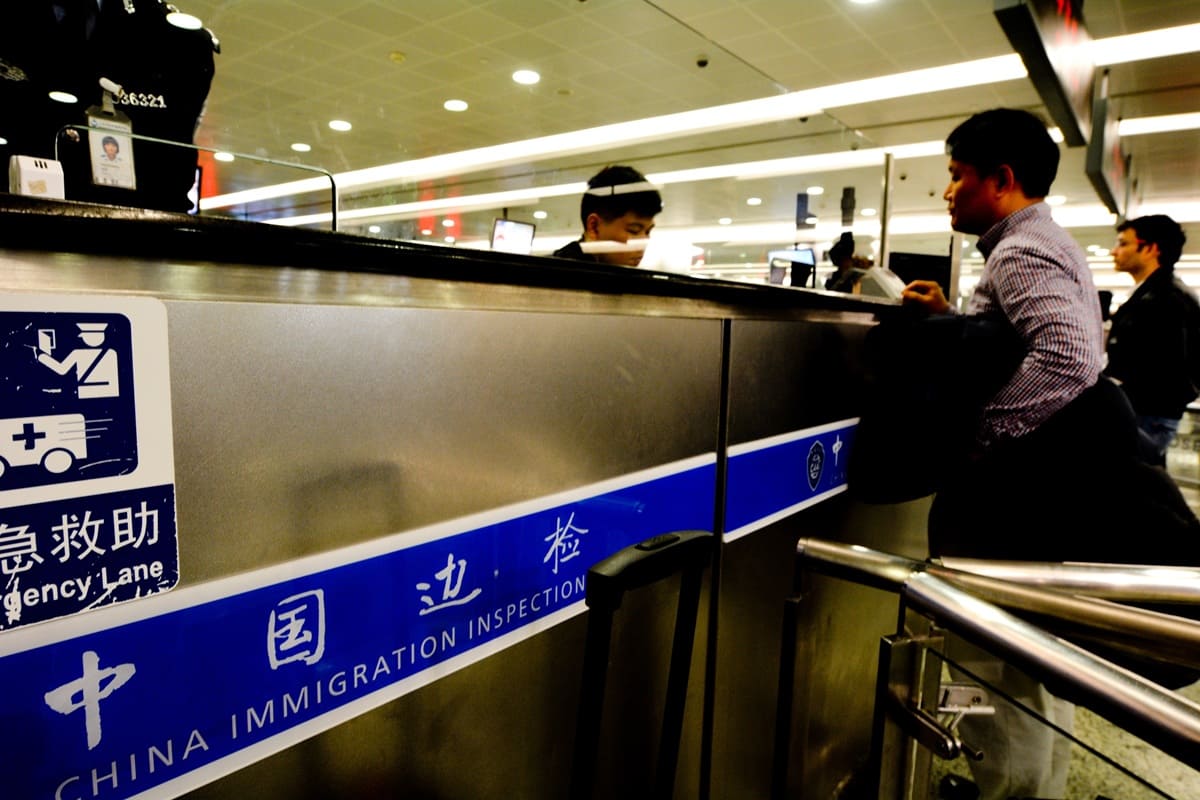
China currently operates a unilateral visa waiver program allowing citizens of 48 countries, including France, Germany, Spain, Italy, the United Kingdom, Canada, and Australia, to enter the country without a visa for stays of up to 30 days.
The exemption covers tourism, business visits, family visits, and transit, among other permitted purposes.
Originally introduced for limited periods, the program has been progressively expanded and extended through December 31, 2026. Whether it will be renewed has recently become a subject of discussion with Chinese authorities.
During a November 17, 2026, press briefing, a journalist asked China’s Ministry of Foreign Affairs whether the visa waiver would be extended again for French, Spanish, and German passport holders.
Ministry spokesperson Guo Jiakun said Beijing attaches “high importance to facilitating people-to-people exchange with other countries” and is currently “assessing relevant policies.”
China has already confirmed that its visa-free arrangement for Russian citizens will remain in effect through December 31, 2027, while the exemption available to Brunei citizens has no announced expiration date.
For the 48 countries covered by the broader unilateral waiver program, however, the current deadline remains December 31, 2026.
Mongolia: Tourist visa waiver for 34 countries runs through December

Mongolia is another destination where entry requirements could change in 2027.
As part of its efforts to boost international tourism, the Mongolian government extended its visa-free travel policy for 2026, covering citizens of 34 countries, including 32 European nations, Australia, and New Zealand.
Eligible nationalities include French, Spanish, Italian, German, Belgian, and British passport holders. The arrangement allows visa-free tourist visits of up to 30 days.
So far, no further extension for 2027 has been officially announced.
Mongolia also operates an electronic visa system for certain nationalities and visa categories, which could provide an alternative if the temporary visa waiver is not renewed.
Belarus: Visa-free travel for 38 European countries faces a December 31 deadline

Belarus currently maintains a temporary visa-free entry policy for citizens of 38 European countries, including France.
Extended in December 2025, the arrangement officially remains in effect through December 31, 2026.
For eligible travelers, including French passport holders, it permits visa-free visits of up to 30 days, with a cumulative limit of 90 days per calendar year.
Entry is permitted through designated international border crossings, subject to specific restrictions affecting certain borders and travel between Belarus and Russia.
However, the possible expiration of this visa waiver would not mean the end of all online visa options.
Since March 20, 2025, Belarus has also offered electronic visas to citizens of 67 countries, including France. This system operates independently of the temporary visa-free arrangement.
Travelers should also be aware of the security situation. France’s Ministry for Europe and Foreign Affairs currently advises against all travel to Belarus, and visitors should consult the latest travel advisories issued by their own governments before considering a trip.
South Korea: Temporary K-ETA exemption also expires at the end of 2026

In South Korea, the December 31 deadline concerns a different entry requirement: the Korea Electronic Travel Authorization (K-ETA).
Since April 2023, South Korea has temporarily exempted travelers from several visa-waiver countries and territories from obtaining a K-ETA before departure.
The exemption applies to numerous nationalities, including citizens of France, the United States, the United Kingdom, Canada, and Japan.
The South Korean government has extended the measure several times, with the most recent extension announced on December 23, 2025.
According to the official K-ETA website, the temporary exemption remains valid through December 31, 2026.
Unless another extension is announced, travelers from affected countries could once again be required to obtain a K-ETA before traveling to South Korea starting in January 2027.
This would not mean the return of visa requirements. Rather, it would reinstate the electronic travel authorization requirement for visa-exempt travelers who would otherwise need one.
Currently, travelers benefiting from the K-ETA exemption must generally complete the free e-Arrival Card within three days before entering South Korea, unless they qualify for another exemption.
Those who voluntarily obtain a valid K-ETA may, in turn, be exempt from submitting the electronic arrival declaration.
Ireland: UK visa waiver program scheduled to end in December

In Europe, Ireland also operates a temporary travel arrangement whose future has yet to be confirmed.
The Short-Stay Visa Waiver Programme allows citizens of certain countries to visit Ireland without obtaining a separate Irish visa, provided they hold an eligible UK short-stay visa and have already entered the United Kingdom using that visa.
The program covers several nationalities, including citizens of India, China, the Philippines, Thailand, Vietnam, and Turkey.
A UK Electronic Travel Authorization (ETA) alone does not qualify travelers for this arrangement.
Originally scheduled to expire on October 31, 2026, the program was extended by two months.
An official document published by Irish immigration authorities in October 2026 confirms that the scheme will remain in place through December 31, 2026, subject to any further changes.
Whether this travel facilitation measure will continue in 2027 has yet to be confirmed.
The British-Irish Visa Scheme, a separate arrangement available to certain Indian and Chinese travelers, remains distinct from this program.
North Macedonia: Visa waiver linked to UK, US, and Canadian visas

North Macedonia introduced a temporary visa exemption for certain foreign nationals on January 1, 2026.
Under this arrangement, third-country nationals holding a valid multiple-entry UK, US, or Canadian visa affixed to their passport may enter North Macedonia without obtaining a separate visa for stays of up to 15 days.
The qualifying visa must remain valid for at least five days beyond the intended stay.
The Ministry of Foreign Affairs of North Macedonia specifies that the temporary measure applies from January 1 through December 31, 2026.
If the arrangement is not extended, other visa exemptions would not automatically be affected, including those available to European citizens and certain holders of Schengen visas or European residence permits.
Malaysia, India, and group tourist visas: Additional deadlines across Asia

Other travel facilitation measures are also approaching their year-end deadlines, even when they apply to a more limited range of nationalities.
In Malaysia, authorities have confirmed that the current visa exemption allowing Indian citizens to visit for up to 30 days will end on December 31, 2026.
Starting January 1, 2027, affected travelers will once again be required to obtain a visa before departure, unless the government announces a new policy.
Online visa applications will be available beginning December 1, 2026, as detailed in a recent VisasNews report.
In the opposite direction, India is maintaining its fee waiver for 30-day, double-entry tourist e-Visas issued to Malaysian citizens through December 31, 2026.
Unlike Kuala Lumpur’s announced decision, New Delhi has not yet officially confirmed whether this visa fee exemption will be extended or discontinued in 2027.
South Korea also offers a waiver of visa issuance fees for certain categories of group tourist visas involving six countries: China, Vietnam, the Philippines, Indonesia, India, and Cambodia.
This measure is currently scheduled to remain in effect through December 31, 2026.
Eligibility requirements vary depending on nationality and the type of tour group.
Travel in 2027: An expiration date does not necessarily mean the end of visa waivers
December 31, 2026, is therefore an important deadline for several international travel facilitation policies, but it should not automatically be interpreted as the start of a widespread return to visa requirements.
Some governments have already renewed their temporary arrangements multiple times, occasionally announcing extensions just days before they were due to expire.
A policy may be extended for another period, modified, replaced by a different system, or made permanent.
For travelers planning trips in early 2027, the distinction between an announced expiration date and a confirmed decision to discontinue a policy is essential.
Until governments issue further announcements, the entry requirements currently published by the relevant national authorities remain the applicable rules.
Decisions expected in the coming weeks should clarify which visa waivers and electronic travel authorization exemptions will remain in place, which may change, and which will end after December 31, 2026.
VisasNews Take
With 2027 just weeks away, several destinations have yet to clarify the future of their visa waivers and electronic travel authorization exemptions. While these deadlines affect travelers from numerous countries, they do not necessarily mean that additional entry requirements will return on January 1. China, Mongolia, Belarus, and South Korea have previously extended some of their temporary arrangements, sometimes shortly before their expiration dates. For travelers planning trips in early 2027, it will be important to monitor upcoming government announcements and verify entry requirements before departure, rather than assuming that existing exemptions will either continue or disappear.