India announces 11 new entry points for e-Visa holders
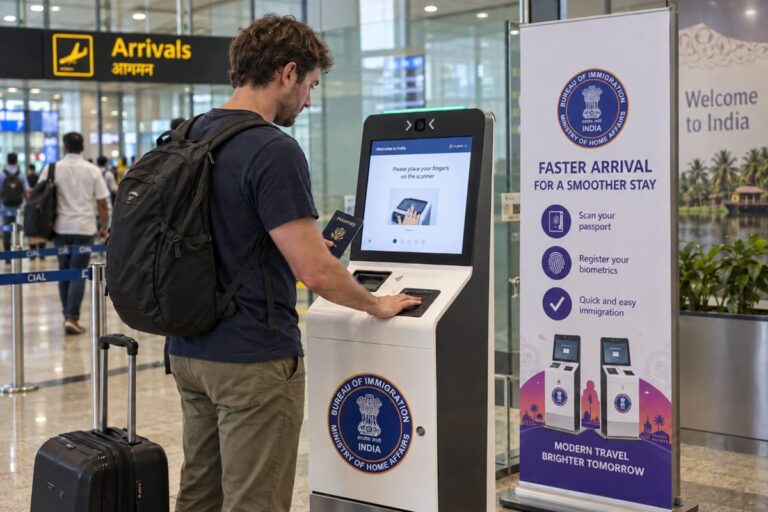
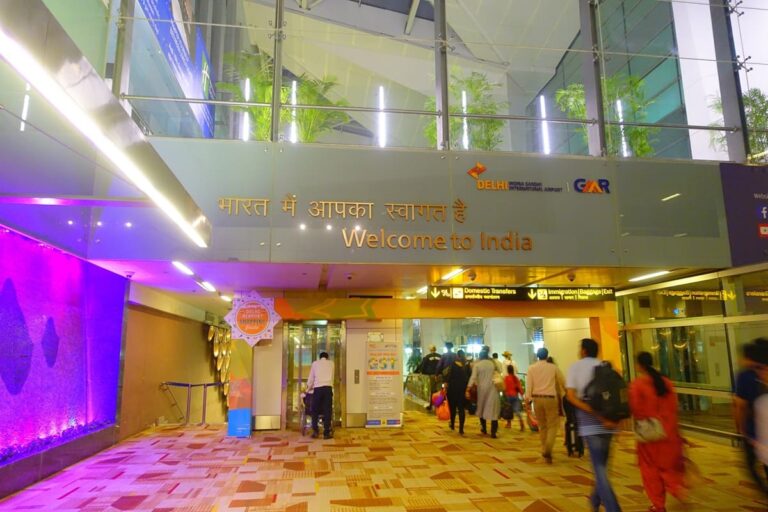
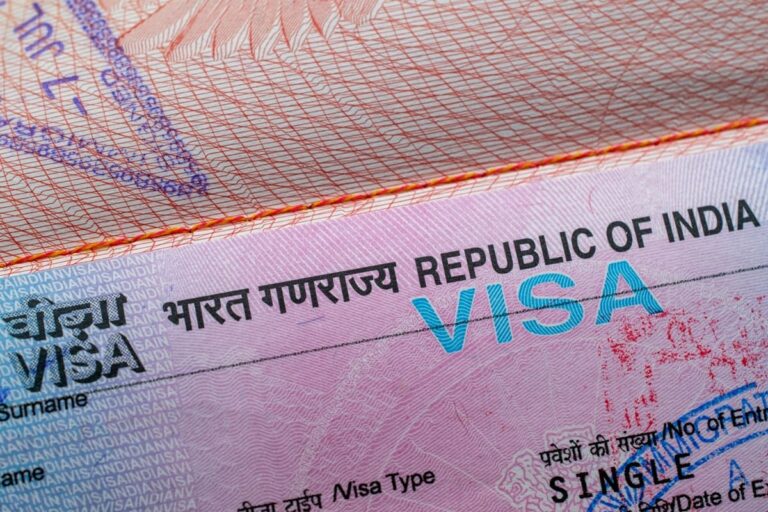
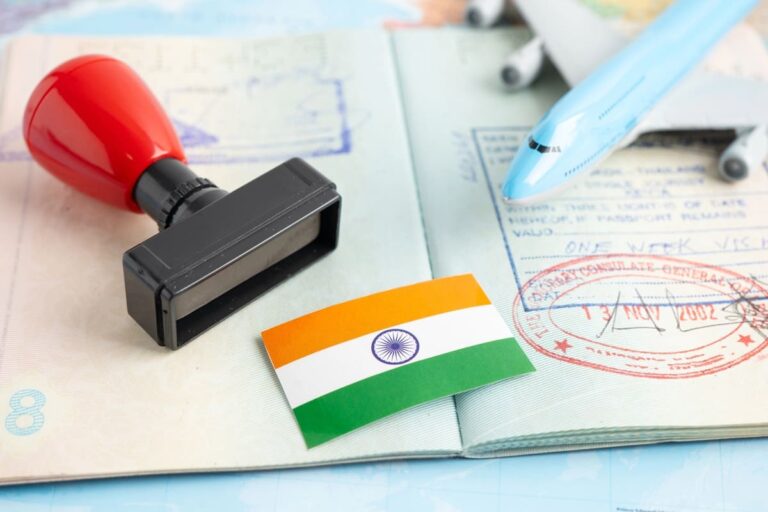
India has announced the addition of 11 entry points for travelers holding an electronic visa (e-Visa), including two airports and nine land border crossings.
India Visa and Travel News
India has announced the addition of 11 entry points for travelers holding an electronic visa (e-Visa), including two airports and nine land border crossings.
India is exploring ways to simplify its tourist visa system, including the possibility of a visa on arrival for certain travelers. The e-Visa portal could also be streamlined to reduce friction before departure.
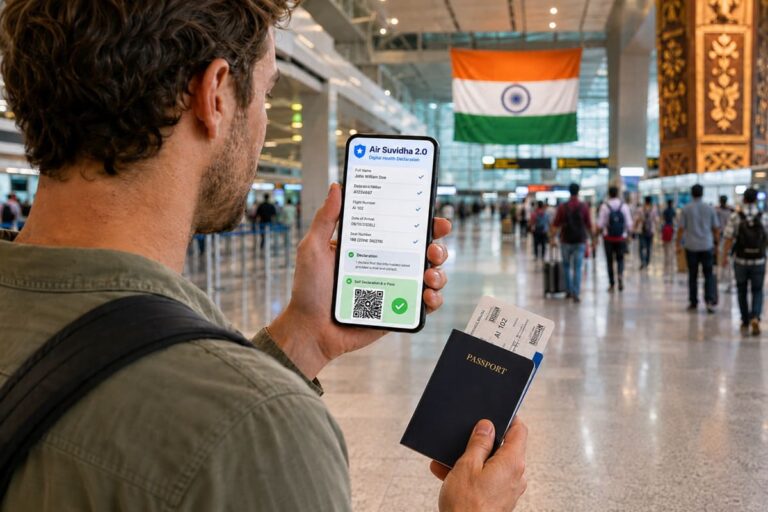
India has relaunched Air Suvidha 2.0, a mandatory online health declaration for international passengers arriving in the country. The system is designed to strengthen health surveillance at points of entry amid the Ebola/Bundibugyo outbreak in the Democratic Republic of the Congo and Uganda.
India’s 30-day e-Tourist Visa now allows multiple entries, instead of the two entries previously permitted.
India is further expanding the number of entry points available to travelers holding an electronic visa. Fourteen additional seaports can now be used to enter the country with an e-Visa.
As it does every year between April and June, India has once again lowered the price of its 30-day tourist e-Visa to $10 during the off-season, compared with $25 the rest of the year. In 2026, however, the measure could benefit a wider range of travelers, as this electronic visa can now be applied for much earlier than before.
After several months of coexistence between paper and digital formats, the transition is coming to an end. Delhi International Airport has confirmed that paper arrival cards will be discontinued as of March 31, 2026, thereby formalizing the full shift to the e-Arrival Card.
India continues to expand the number of entry points accessible to foreign travelers holding an electronic visa. The country has announced the addition of two land border checkpoints and three seaports to the e-Visa system.
In response to the air travel disruptions caused by the ongoing conflict in the Middle East, India has announced a series of exceptional measures for foreign nationals currently present in the country.
As part of its policy to facilitate international travel, India continues to adapt its electronic visa system. In recent days, a new airport, a land border crossing, and several seaports have been opened to travelers holding an e-Visa, further strengthening the country’s connectivity and streamlining arrivals.
India has just revised the fees for several types of electronic visas. While most e-Visa categories remain unchanged, the update introduces targeted increases for certain validity periods and nationalities.
India has recently relaxed and expanded its e-Visa framework. Authorities have updated the validity window for the 30-day e-Tourist Visa and have introduced a new authorized point of entry, along with additional visa categories now available online.
India is fine-tuning its strategy to attract more foreign visitors. On the sidelines of a tourism summit, India’s Minister of Culture and Tourism, Gajendra Singh Shekhawat, announced that the government is working on a reciprocity-based visa-on-arrival system, while also pledging to further streamline the electronic visa (e-Visa) process, which is now widely used by international travelers.
As part of its shift toward more modern immigration procedures, India is officially launching its digital arrival card for foreign travelers on October 1, 2025. Available online or through a mobile app, this new entry requirement will coexist with the traditional paper version during a six-month transitional period.
India may soon eliminate the paper disembarkation form currently required for foreign travelers and replace it with a digital arrival card. According to Indian media reports, the new system could go into effect as early as October 1, 2025…