The European Commission published its annual State of Schengen report on May 18, 2026. The document reviews how the Schengen area is functioning and sets priorities for the new 2026-2027 cycle, in a context shaped by the modernization of border controls, migration pressure, security concerns and preparations for ETIAS.
For international travelers, several points stand out directly from the report.
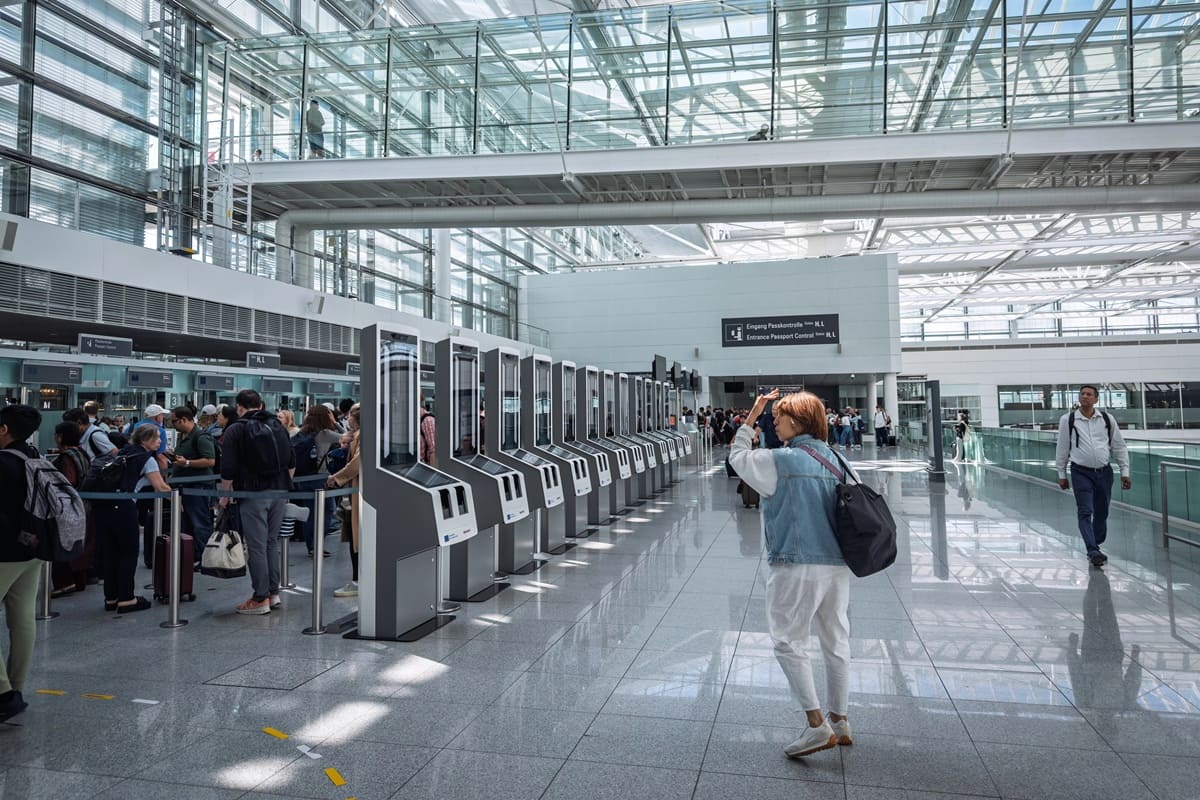
The European Union first confirms that the Entry/Exit System, or EES, the automated system used to register the entries and exits of third-country nationals, has been fully deployed at all Schengen border crossing points since April 10, 2026.
Brussels also notes that preparations for ETIAS are moving forward, while the official launch of this travel authorization remains scheduled for the final quarter of 2026.
EES has already recorded 60 million border crossings
As the European Commission recalls, Schengen states began gradually rolling out EES in mid-October 2025. During this six-month launch phase, the system recorded more than 60 million entries and exits by third-country nationals.
In the press release accompanying the report, the Commission also states that 32,000 people who had no right to enter the European Union were refused entry. Among these cases, nearly 800 people were considered to pose a threat to internal security, while almost 7,000 travelers were refused entry for overstaying their authorized period of stay in the Schengen area.
For Brussels, EES is already delivering visible security benefits, particularly by helping detect fraudulent documents, identity fraud and travelers who have exceeded their authorized stay.
The Commission nevertheless acknowledges that some states faced practical difficulties during the rollout phase, particularly with the operation of self-service kiosks, the ability to properly register biometric data and the management of traveler flows during peak periods.
ETIAS to launch in the last quarter of 2026
The 2026 report also confirms that the launch of ETIAS will be the next major step in the pre-screening of visa-exempt travelers.
ETIAS, the European Travel Information and Authorisation System, will apply to travelers from third countries who do not need a visa to enter the Schengen area. The authorization will allow European authorities to assess certain risks before departure, while keeping travel procedures streamlined for most visitors.
According to the European Union’s official ETIAS portal, the system is set to become operational in the last quarter of 2026. For now, travelers do not need to take any action.
The Commission stresses that early involvement from the travel sector will be essential for a smooth rollout. Airlines, travel agencies, booking platforms and travelers will all need to incorporate this new formality before boarding.
A more assertive European visa strategy
The document also looks back at the adoption, in January 2026, of the first EU visa strategy. This strategy aims to make the EU’s common visa policy a tool for security, attractiveness and cooperation with partner countries.
The Commission notably announces the preparation of a new evaluation framework for visa-exempt countries. The goal is to better define the criteria used to grant or maintain visa-free access to the Schengen area.
Brussels is also planning a targeted revision of the Visa Code in order to strengthen the security of the European Union. This development could affect the rules governing Schengen visa applications, although the report does not yet detail the measures under consideration.
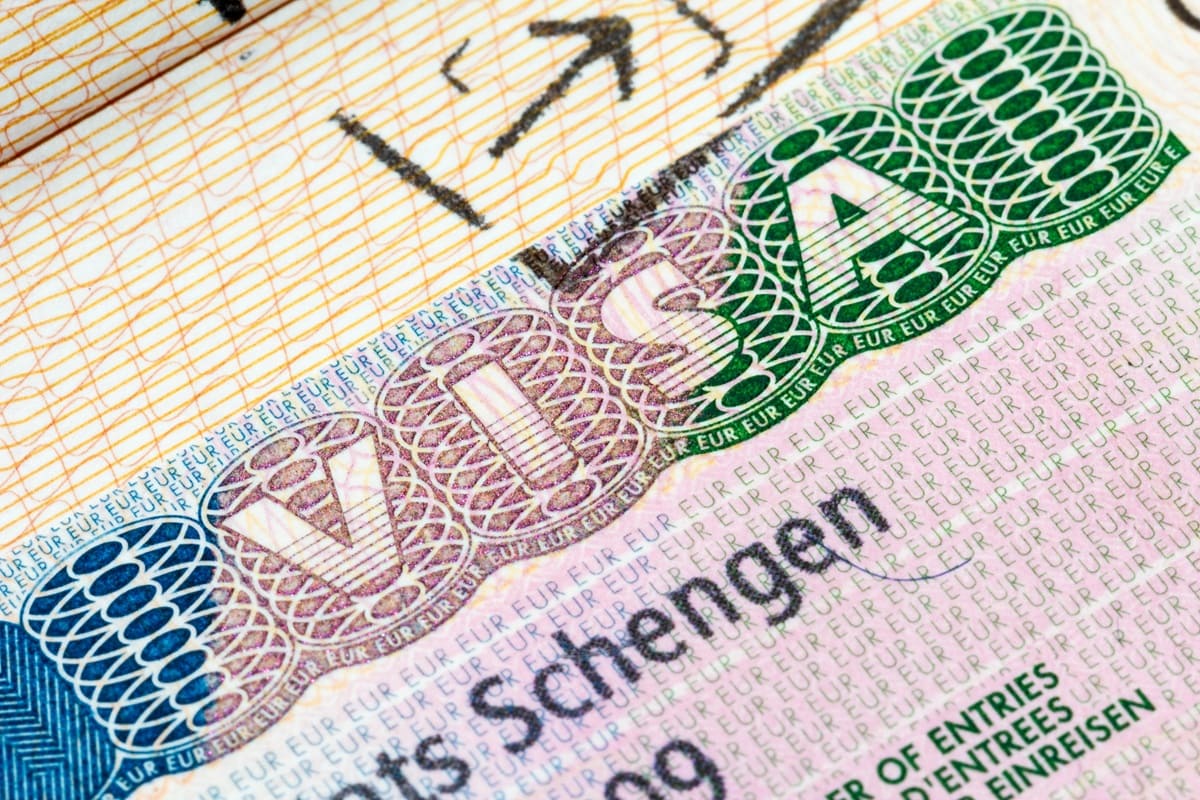
The report also notes that in 2025, the Schengen area remained the world’s most visited destination, with more than 790 million travelers. Schengen states issued 10 million visas, while more than 60 countries enjoyed visa-free access to the Schengen area.
Internal border controls remain a sensitive issue
The Commission also devotes part of the report to the situation at internal borders. In 2025, ten Schengen states extended or maintained controls at their internal borders, mainly for reasons linked to migration and security.
Brussels considers that these controls may address certain national concerns, but recalls that alternatives exist, including targeted police checks, cross-border cooperation, information sharing and mobile biometric tools.
The Commission says EES and the new instruments under the Pact on Migration and Asylum should gradually help reduce the use of internal border controls by strengthening the management of external borders and efforts to combat unauthorized movements within the Schengen area.
The report also mentions the continued integration of certain states into the Schengen framework. The Commission says it wants to complete Cyprus’s full accession to the Schengen area, following what it describes as substantial progress in 2025.
Ireland, which is not part of the Schengen area for the free movement of people, is meanwhile continuing its efforts to fully apply the parts of the Schengen framework related to internal security.