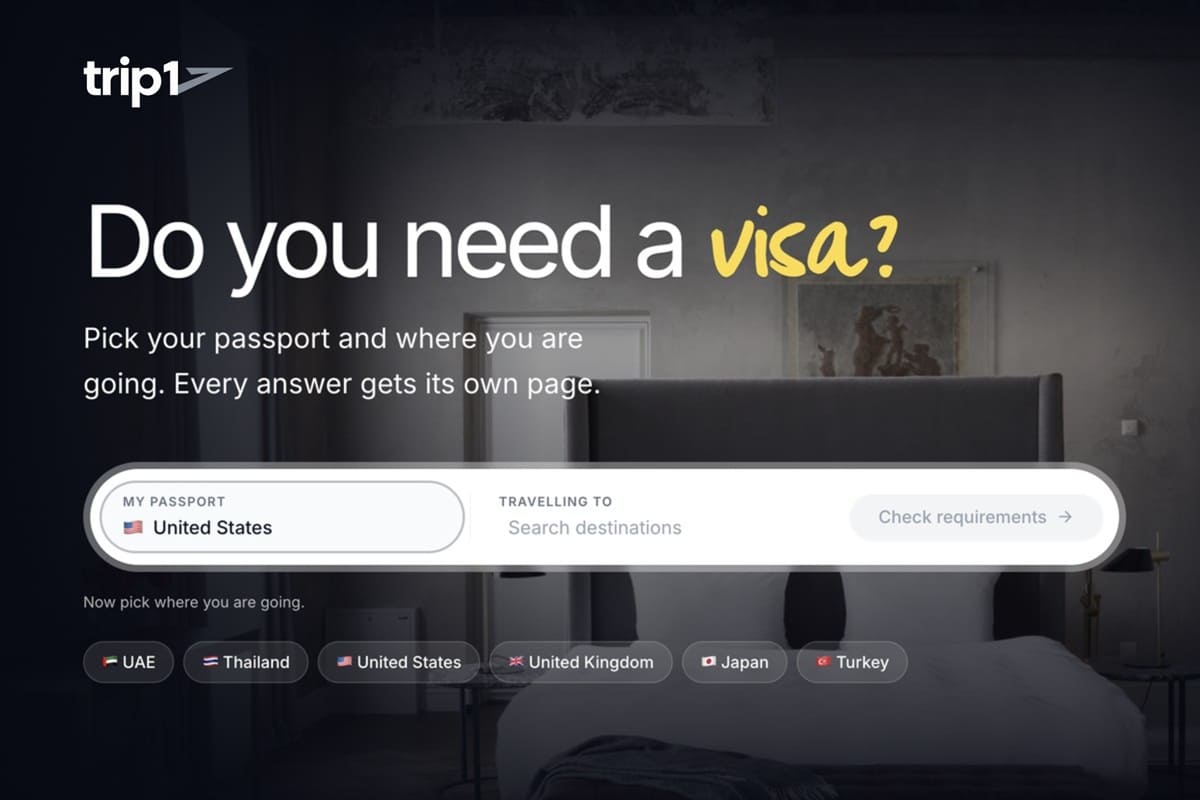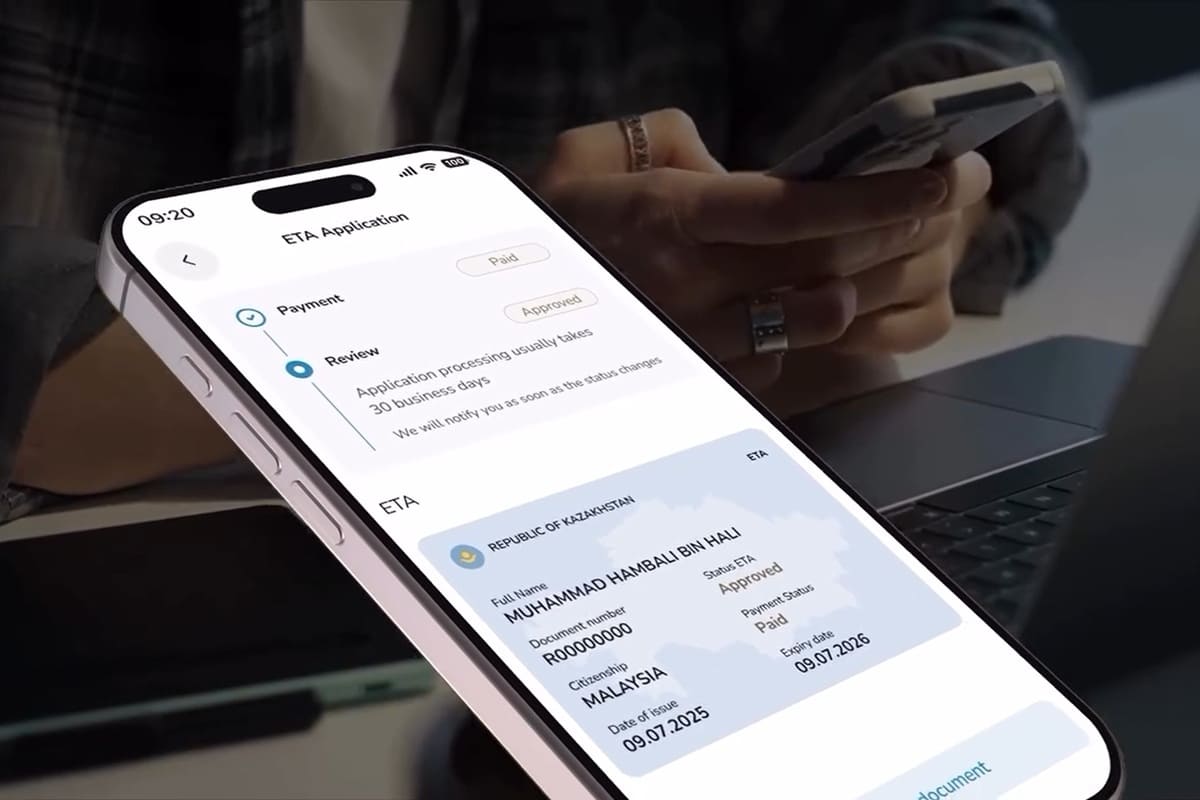
When travelers search Google for information about an electronic visa, an ETA or a digital arrival card, the first links they see do not necessarily lead to the destination’s official government portal.
They may instead be paid advertisements from private agencies or specialized platforms, identified by the label “Sponsored result.” Google confirms that these ads may appear above or between organic search results. The “Sponsored result” label therefore means that the advertiser paid for that visibility, not that the website has been endorsed by the relevant government authority. Google explains the difference between an advertisement and an organic search result here.
Starting October 5, 2026, Google will begin enforcing an update to its advertising policy covering government documents and services.
Electronic visas, electronic travel authorizations (ETA) and certain entry forms are expressly included among the services covered by the policy.
Stricter rules for private advertisers
Google already restricts advertisements that offer users direct access to documents issued by government authorities.
Under Google Ads’ current policy on government documents and services, only certified government entities and providers officially authorized by those governments may run this type of advertisement.
To qualify as an authorized provider, a private company must have explicit permission from the government authority responsible for issuing the document or providing the service.
Beginning October 5, 2026, Google will more clearly define the evidence required. The advertiser’s domain must be linked from an official, publicly accessible government website. The government authority must also explicitly identify that domain as authorized to provide the relevant document or service.
A commercial relationship with a government authority will not necessarily be enough.
Google says the following will not, on their own, be accepted as valid proof of authorization:
- a commercial contract;
- a professional or business license;
- an entry in a business registry;
- an article or publication hosted on a government website.
The domain must also promote only the documents or services covered by the authorizations it has received. Google may deny or revoke an advertiser’s certification if it fails to meet these conditions or violates other advertising policies.
E-Visas, ETAs and arrival cards are covered
Google’s official list includes several formalities directly related to international travel.
These include electronic visas and travel authorizations, such as the US ESTA and Canada’s eTA.
Border entry documents are also covered. Google cites passenger locator forms, health screening forms and the eTravel system used in the Philippines.
The policy also covers passports and US trusted traveler programs, including Global Entry, TSA PreCheck, SENTRI, NEXUS and FAST. Google publishes the full list of documents and services covered by the policy.
E-Visas, ETAs and border entry documents are, however, exempt from certain geographic targeting restrictions. Because these documents are intended for international travelers, a government-authorized advertiser may show ads to people located outside the country issuing the document.
This exception does not remove the requirement to be officially authorized and certified by Google.
Why this change matters to travelers
Searches for visas and travel authorizations are particularly exposed to online advertising.
Some private websites purchase keywords such as “Indian visa,” “official ESTA,” “UK ETA” or “Vietnam arrival card” in order to appear above organic search results.
The way these platforms are presented can sometimes make them look like government portals. Travelers may then pay additional service fees without fully realizing that they are using a private intermediary.
Google’s tighter rules could therefore reduce the advertising visibility of platforms unable to demonstrate a public and official government authorization. However, the change does not guarantee that every ad will be risk-free or that all certified providers will offer the same level of service.
A private visa agency is not necessarily a fraudulent website
Using a private intermediary is not inherently problematic.
A specialized agency may assist travelers, review submitted documents, identify errors in an application form, track a request or contact the authorities when difficulties arise. Charging an additional fee for those services can be entirely legitimate.
The distinction largely comes down to transparency and several indicators of trustworthiness.
A reputable provider should clearly state that it is a private company, explain the assistance it provides, disclose its fees and distinguish them from government charges. Its years in business, recommendations from established travel guides, a substantial number of detailed customer reviews and feedback posted on independent forums can also help travelers assess its reputation.
Google already requires advertisers not to conceal their identity, business model or actual affiliations. Advertisements and their landing pages must also comply with Google’s policy against misrepresentation.
Google may also automatically add the label “Not a government website” to certain search ads offering administrative documents when the advertiser is not certified as a government entity.
VisasNews Take
The “Sponsored result” label means that an advertiser paid to appear in the search results. It does not mean that the website belongs to a government or has been recommended by the relevant authority. Starting October 5, 2026, Google will tighten its controls on advertising for visas, ETAs and entry documents. Travelers should nevertheless continue to verify the provider’s identity, the official government fee and any additional service charges before submitting personal information or making a payment.