Cambodia is entering a new phase in its efforts to make travel easier for the Chinese market.
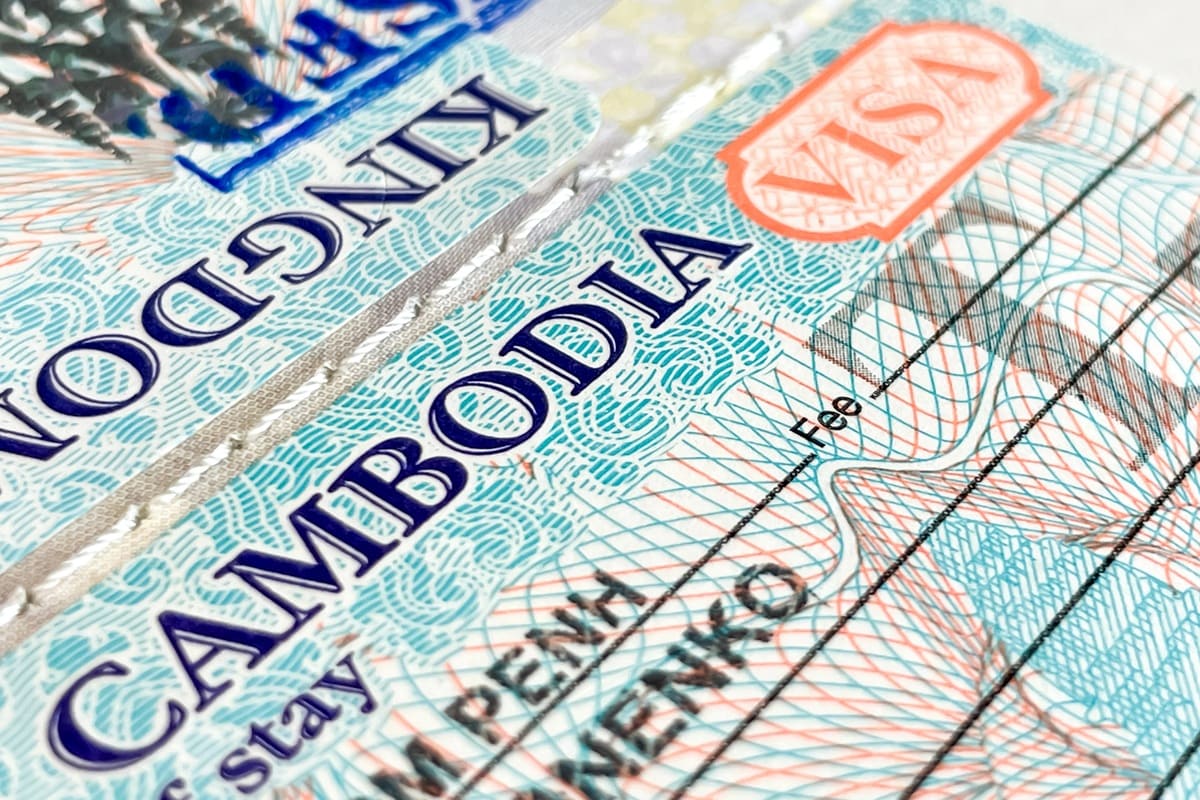
As of Monday, June 15, 2026, Chinese nationals can enter Cambodia without a visa under a four-month pilot program. The measure, announced by Cambodian authorities and officially launched today, will remain in effect until October 15, 2026.
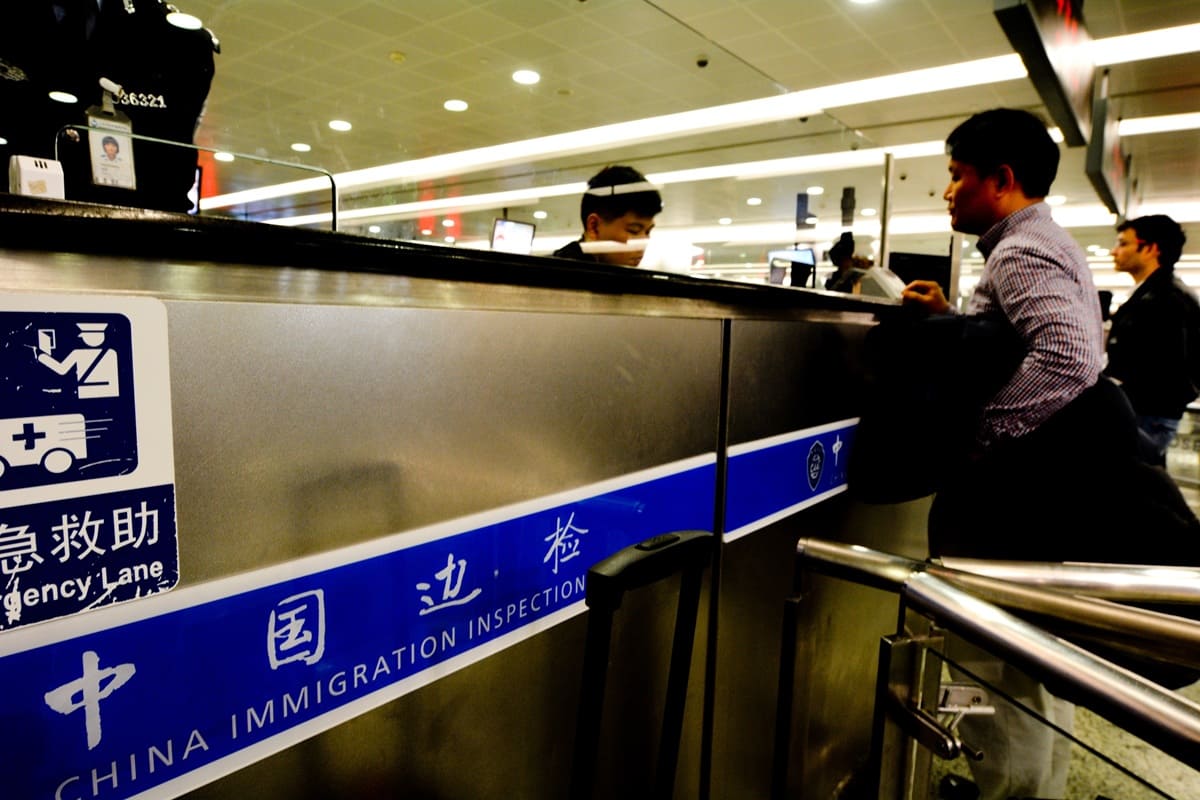
The visa waiver applies to holders of passports issued by the People’s Republic of China, including travelers from mainland China, Hong Kong and Macao, while Taiwan is excluded, according to details released by Cambodian authorities. It applies whether travelers arrive directly from China or from another country.
A visa waiver valid through October 15, 2026
During the pilot period, eligible Chinese travelers do not need to apply for a visa before departure or pay visa-on-arrival fees. They may stay in Cambodia for up to 14 days and enter the country multiple times while the program is in effect.
The measure is part of Cambodia’s effort to boost Chinese tourism, particularly during the green season, a period Phnom Penh is seeking to promote more actively to international travelers.
Cambodia’s Ministry of Tourism has urged industry stakeholders, professional associations, tour operators, media outlets and private-sector partners to widely promote the new entry facilitation measure. China remains one of Cambodia’s most important source markets for tourism.
The waiver does not replace the “Cambodia e-Arrival” card
The visa waiver does not eliminate all entry formalities.
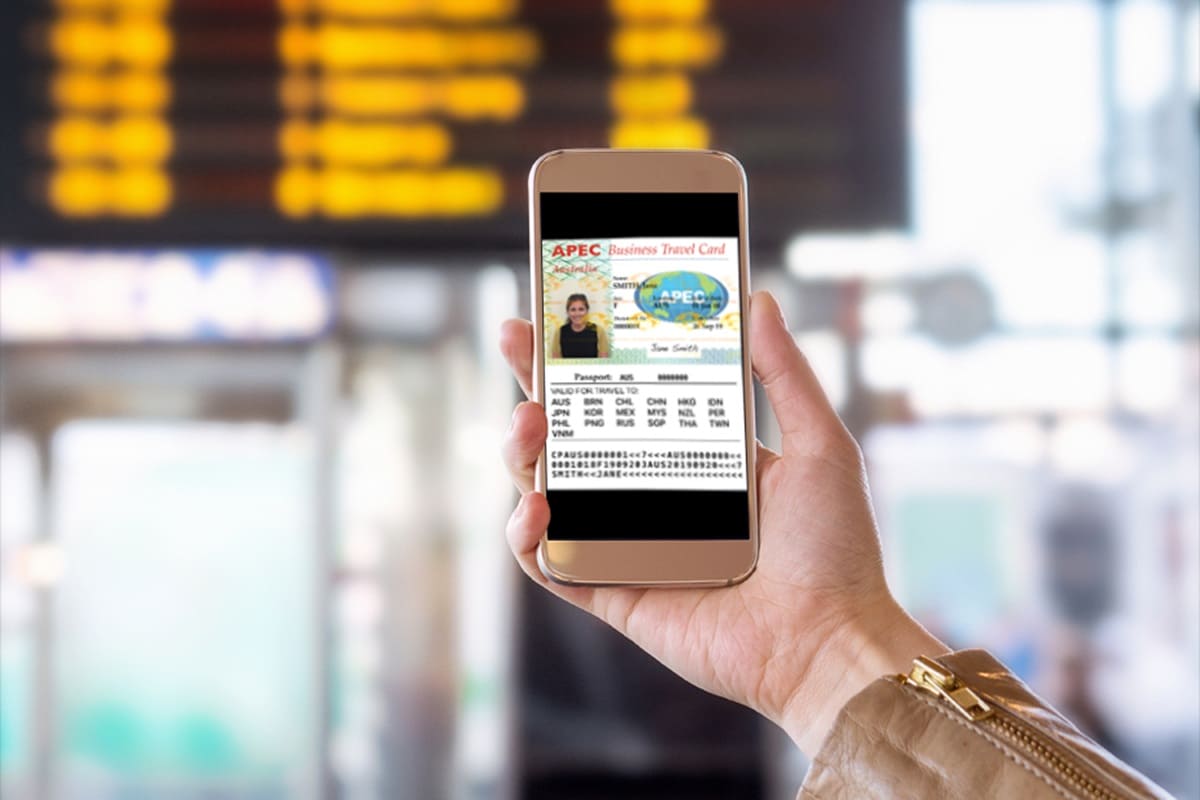
Chinese travelers, like other international visitors to Cambodia, must still complete the “Cambodia e-Arrival” card within seven days before arriving in the country. The online process brings together immigration, health and customs information, and must be completed through the official “Cambodia e-Arrival” portal or the dedicated mobile app.
It is therefore important to distinguish between the two requirements: the visa waiver exempts eligible Chinese travelers from applying for a visa during the pilot period, but it does not exempt them from completing the digital arrival card.
For travelers, that distinction matters. Visa-free entry does not mean entry without any prior declaration. Arrival information must still be submitted in line with the “Cambodia e-Arrival” system before travelers enter the country.
The e-Visa remains necessary for travelers not covered by the waiver
For other nationalities, or for Chinese travelers who do not meet the requirements of the pilot program, Cambodia’s usual visa rules continue to apply.
Cambodia also offers an electronic visa (e-Visa), allowing eligible travelers to apply for a tourist visa online before departure. The service, operated by Cambodia’s Ministry of Foreign Affairs and International Cooperation, allows travelers to obtain a visa without going through an embassy or consulate, provided they meet the conditions related to eligibility, entry point and purpose of travel.
Here again, the e-Visa and the “Cambodia e-Arrival” card are two separate procedures. A traveler holding an e-Visa must still complete the digital arrival card. Conversely, a visa-exempt traveler must also complete the arrival card.
A temporary measure with strategic importance for Cambodian tourism
The program now in place remains a pilot scheme. At this stage, it is limited to four months, from June 15 to October 15, 2026, and does not permanently change Cambodia’s general visa policy.
Its goal is clear: to make Cambodia more attractive to Chinese travelers, facilitate short tourist stays and support the country’s tourism industry. Authorities hope that simpler entry rules will encourage arrivals during a period that is traditionally less busy than the high season.
For travel professionals, the measure should also make it easier to sell short-stay Cambodia trips, including itineraries combining Angkor, Phnom Penh, Sihanoukville and other regional destinations.
Travelers covered by the program should nevertheless keep three points in mind: the 14-day limit on stays, the strictly defined validity period ending October 15, 2026, and the requirement to complete the “Cambodia e-Arrival” card before entering the country.