Southeast Asia remains one of the world’s most dynamic regions for international tourism, but the rapid reopening that followed the pandemic now appears to be entering a more controlled phase.
After making it easier for foreign travelers to enter in order to accelerate the tourism sector’s recovery, several countries are now seeking to better monitor how their visa-waiver policies are actually being used. The goal is not to close borders or call into question the welcome given to tourists, but to address problems that have become more visible to local authorities.
Tourist stays being used for other purposes, overstays, undeclared work, online fraud networks and illegal gambling operations are among the concerns cited in several countries. In this context, visa waivers, long presented as a tool to boost tourism, are also becoming a matter of migration security.
Thailand wants to reduce visa-free stays
Thailand is currently the clearest example of this rebalancing.
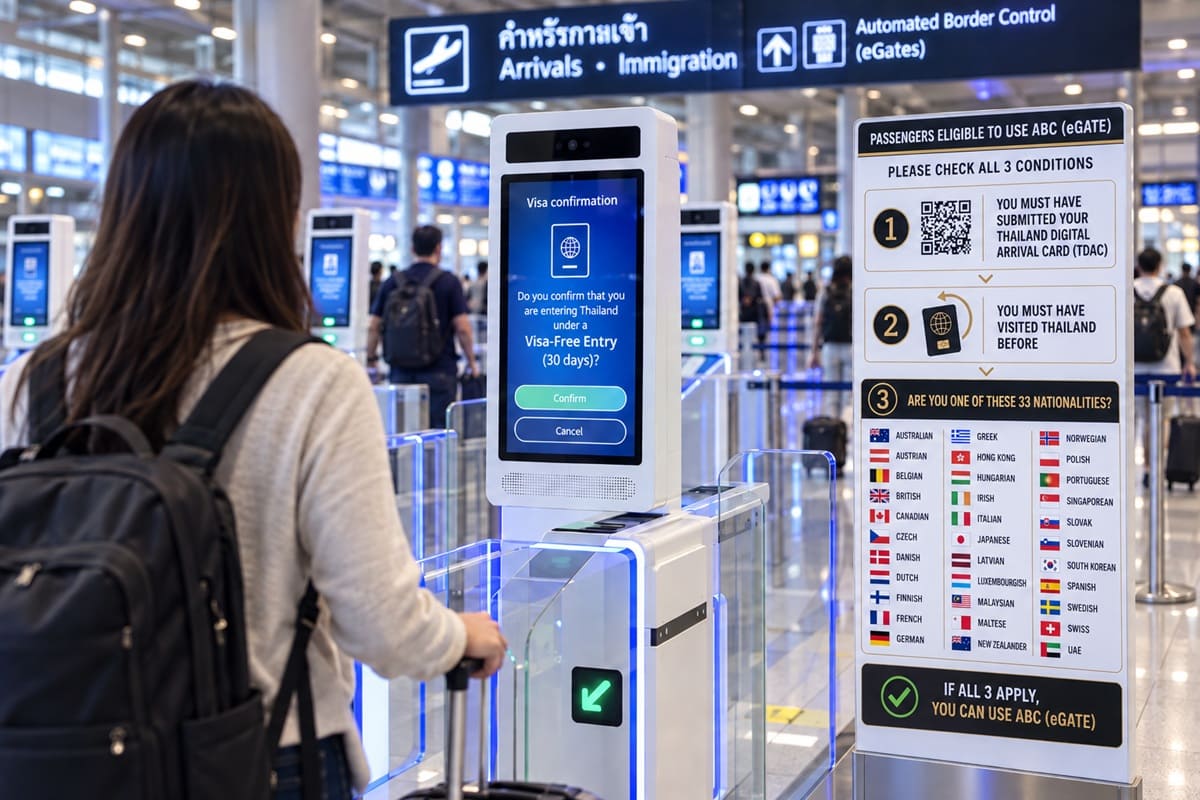
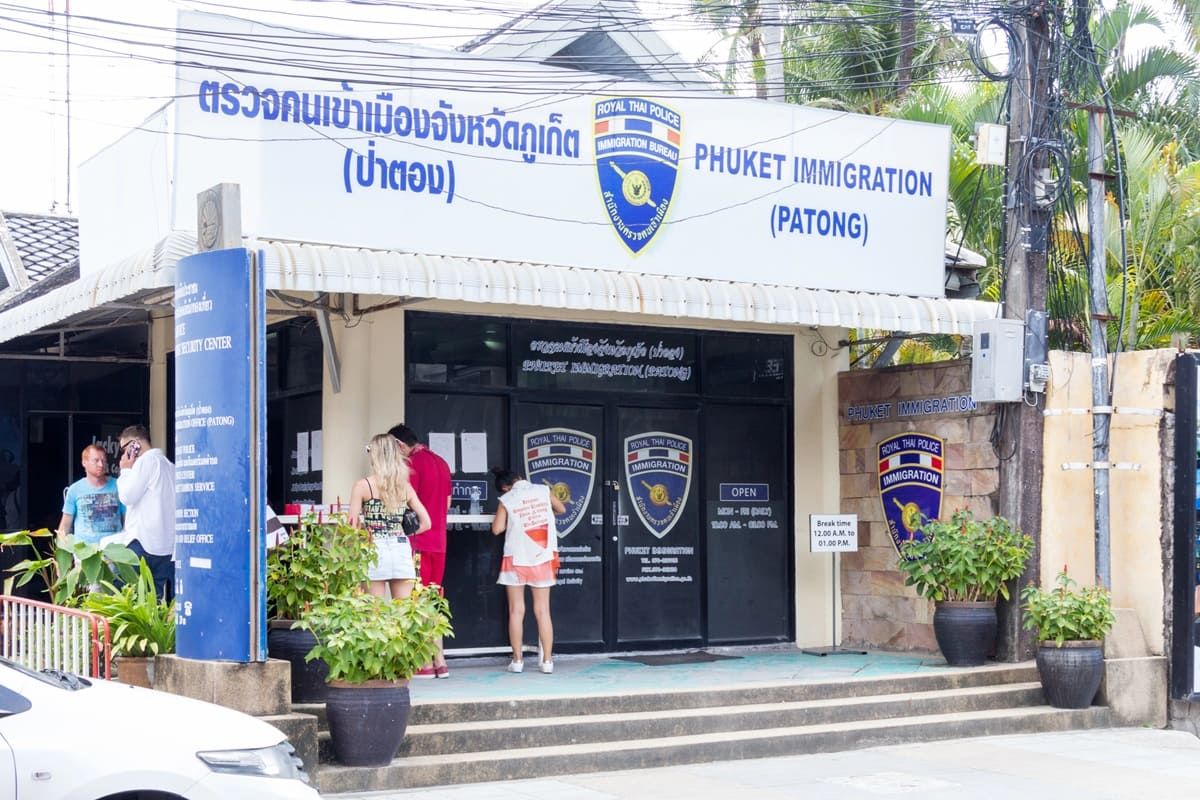
Bangkok plans to cut the visa-free stay granted to nationals of 93 countries from 60 days to 30 days. The measure still needs to be approved at the government level, but it would mark a significant shift in Thailand’s tourism policy.
In July 2024, Thailand expanded its visa-waiver program to support the tourism recovery and strengthen its competitiveness against other major Asian destinations. At the time, the permitted visa-free stay was extended to 60 days for many nationalities, with the possibility of an in-country extension.
Less than two years later, authorities believe that this longer stay may be enabling certain abuses. Thai officials say some foreign nationals are using tourist status to remain in the country for longer periods, carry out unauthorized activities or take part in illegal operations.
The planned reduction would therefore not mean the end of Thailand’s visa waiver. Rather, it would reflect a desire to better distinguish standard tourist stays from longer-term stays that may fall under other travel purposes.
Indonesia raises questions after several cybercrime cases
Indonesia is following a similar logic, although no general removal or change to the visa-waiver system has been announced at this stage.
The Directorate General of Immigration says certain entry facilitation measures could be reassessed after several cases involving foreign nationals suspected of links to online fraud networks, illegal gambling or international scams.
In recent months, several operations have targeted groups of foreign nationals present in Indonesia, particularly in Batam and Bali. For authorities, these cases raise a direct question: are some travelers entering the country under the cover of tourism before engaging in illegal activities or activities that do not comply with the terms of their stay?
Here again, the debate is not only about tourism openness. It concerns the actual use of visa waivers and the ability of authorities to identify profiles that do not correspond to ordinary tourist stays.
Tourism openness comes under closer watch
Malaysia is also part of this debate. National police chief Mohd Khalid Ismail has drawn a link between the country’s visa-waiver policy and the presence of certain international online scam networks. According to him, this entry facilitation is one of the factors enabling foreign criminal groups to use Malaysia as a base of operations or transit point.
These discussions come after a period in which visa policies were primarily viewed as tools for recovery. After the Covid-19 pandemic, many destinations simplified formalities, expanded visa waivers, developed e-Visas or extended authorized lengths of stay.
At the time, the priority was to bring international visitors back, support airlines, hotels, travel agencies, retailers and the broader tourism economy.
That logic has not disappeared. Thailand, Indonesia, Malaysia, Vietnam, the Philippines and Cambodia continue to rely heavily on international tourism. But authorities are now trying to ensure that easier entry does not create areas of vulnerability.
The current trend does not amount to a regional closing of borders. Rather, it is a phase of adjustment, as countries seek to preserve their appeal while reintroducing tighter oversight of short-term stays.
Digital arrival cards are becoming a central tool
This shift is also reflected in the spread of digital arrival cards.
In several Southeast Asian countries, travelers are now required to submit certain information before arrival or when crossing the border. These systems are designed to speed up immigration procedures, but also to give authorities a better understanding of incoming travel flows.
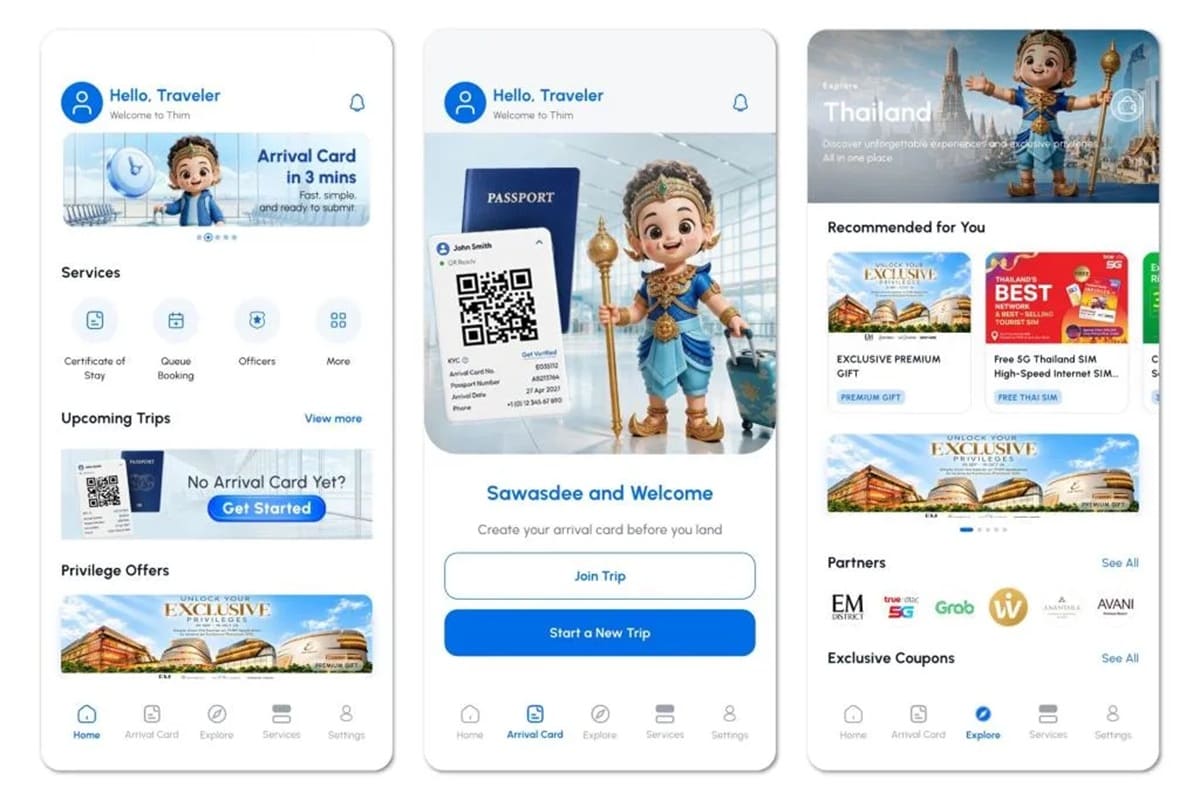
Thailand has launched the Thailand Digital Arrival Card, or TDAC, which has been mandatory since May 1, 2025, for most foreign travelers arriving in the country. It replaces the former paper TM6 card and must be completed online before arrival.
Indonesia has introduced the All Indonesia system, which combines immigration, customs, health and quarantine information into a single digital declaration. Travelers receive a QR code to present upon arrival.
Malaysia, for its part, requires most foreign travelers to complete the Malaysia Digital Arrival Card. Cambodia has also introduced an e-Arrival Card, which brings together the immigration form, health declaration, customs declaration and, for eligible travelers, the electronic visa on arrival.
Vietnam has been piloting a digital arrival card system since April 2026, initially at Tan Son Nhat International Airport in Ho Chi Minh City, before a gradual expansion to other points of entry. Laos is moving in the same direction with its Digital Arrival and Departure Card, intended to gradually replace paper arrival and departure forms.
These digital cards are not visas. They do not, by themselves, change a traveler’s eligibility for a visa waiver or visa on arrival. But they are part of the same trend. They make arrival smoother for regular travelers while giving authorities more information before border checks take place.
For countries in the region, the challenge is now to maintain the tourism appeal gained since the post-pandemic recovery while limiting the misuse of entry facilitation measures. Visa waivers remain a tool of openness, but they are also becoming a more closely monitored instrument for managing mobility.