Singapore introduces enhanced pre-boarding immigration controls
Since January 30, 2026, Singapore has implemented a new border security measure under which certain categories of travelers may now be denied boarding before their flight departs.
Asia Visa and Travel News
Since January 30, 2026, Singapore has implemented a new border security measure under which certain categories of travelers may now be denied boarding before their flight departs.
During UK Prime Minister Keir Starmer’s visit to China, Beijing indicated that it is considering granting visa-free entry for British citizens traveling for short stays.
Meeting this week in Cebu, Philippines, on the occasion of the ASEAN Tourism Forum, Southeast Asian tourism ministers are set to discuss the possible introduction of a region-wide common tourist visa. The initiative, frequently raised for more than a decade, is being brought back to the forefront of regional discussions by the Philippines.
According to the National Immigration Administration, more than 30 million foreign nationals entered China without a visa in 2025, amid a strong recovery in cross-border travel and the modernization of entry procedures, notably marked by the gradual rollout of a digital arrival card.
Launched in July 2025, the “QazETA” mobile application is now at the heart of Kazakhstan’s strategy to digitize migration services and improve the reception of foreign visitors. The app brings together, within a single digital gateway, electronic visa (e-Visa) procedures, the Electronic Travel Authorization (ETA) for visa-exempt travelers, and electronic residency (e-Residency) services.
While on an official visit to Beijing, Prime Minister Mark Carney announced that Canadian citizens will soon be able to enter China without a visa.
Jordan has announced a major relaxation of its entry rules. Foreign visitors who are not traveling on a work visa will now automatically receive a three-month residence permit, up from the previous one-month limit, whether they enter the country with an electronic visa (e-Visa) or a visa obtained on arrival.
Launched in the summer of 2024 to facilitate travel to Pakistan, the “Visa Prior to Arrival” (VPA) program, which allowed citizens of 126 countries to quickly obtain a free visa, has been unavailable since January 1, 2026. In the absence of any official announcement regarding this suspension, affected travelers must now apply for a “standard” paid e-Visa, which involves higher fees and more extensive administrative requirements.
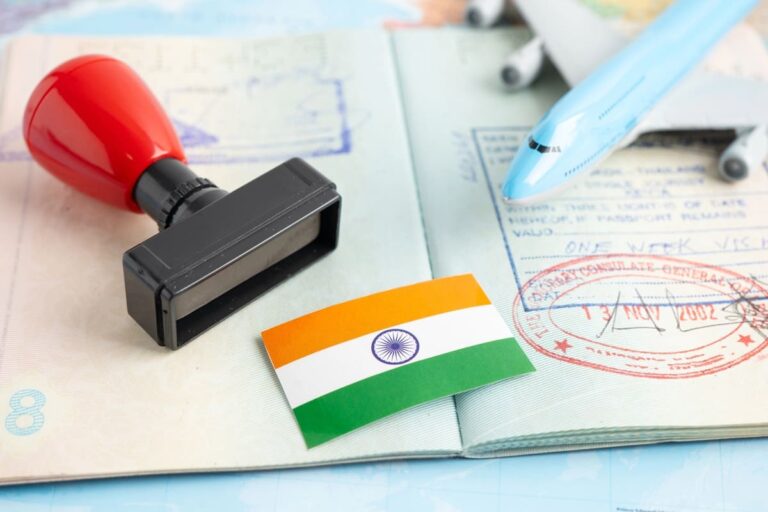
As part of its policy to facilitate international travel, India continues to adapt its electronic visa system. In recent days, a new airport, a land border crossing, and several seaports have been opened to travelers holding an e-Visa, further strengthening the country’s connectivity and streamlining arrivals.
Kyrgyzstan has revised its visa-free entry and stay rules for nationals of several countries. A government decision that came into force on December 31, 2025 now limits the length of stay permitted without formalities, with the stated aim of streamlining and increasing the transparency of the country’s migration policy.
Good news for international travelers: Mongolia has officially announced the extension of its visa-free entry policy for citizens of 34 countries through January 1, 2027. Originally introduced as a temporary measure in 2023 and set to expire on December 31, 2025, the program has now been renewed, reaffirming the Mongolian government’s commitment to maintaining an open and tourism-friendly policy.
As of January 1, 2026, all foreign tourists entering Georgia will be required to carry valid health and accident insurance covering the entirety of their stay. This new requirement, enshrined in Georgia’s “Law on Tourism,” is intended to strengthen visitor protection and clarify the country’s entry conditions.
Visa fees for travel to China will continue to benefit from a reduced rate until December 31, 2026, in accordance with a decision recently confirmed by the Chinese authorities.
India has just revised the fees for several types of electronic visas. While most e-Visa categories remain unchanged, the update introduces targeted increases for certain validity periods and nationalities.
South Korea has officially confirmed a one-year extension of the temporary K-ETA exemption for travelers from visa-exempt countries. First announced last fall, the measure has now been formally validated by the official Electronic Travel Authorization application portal.