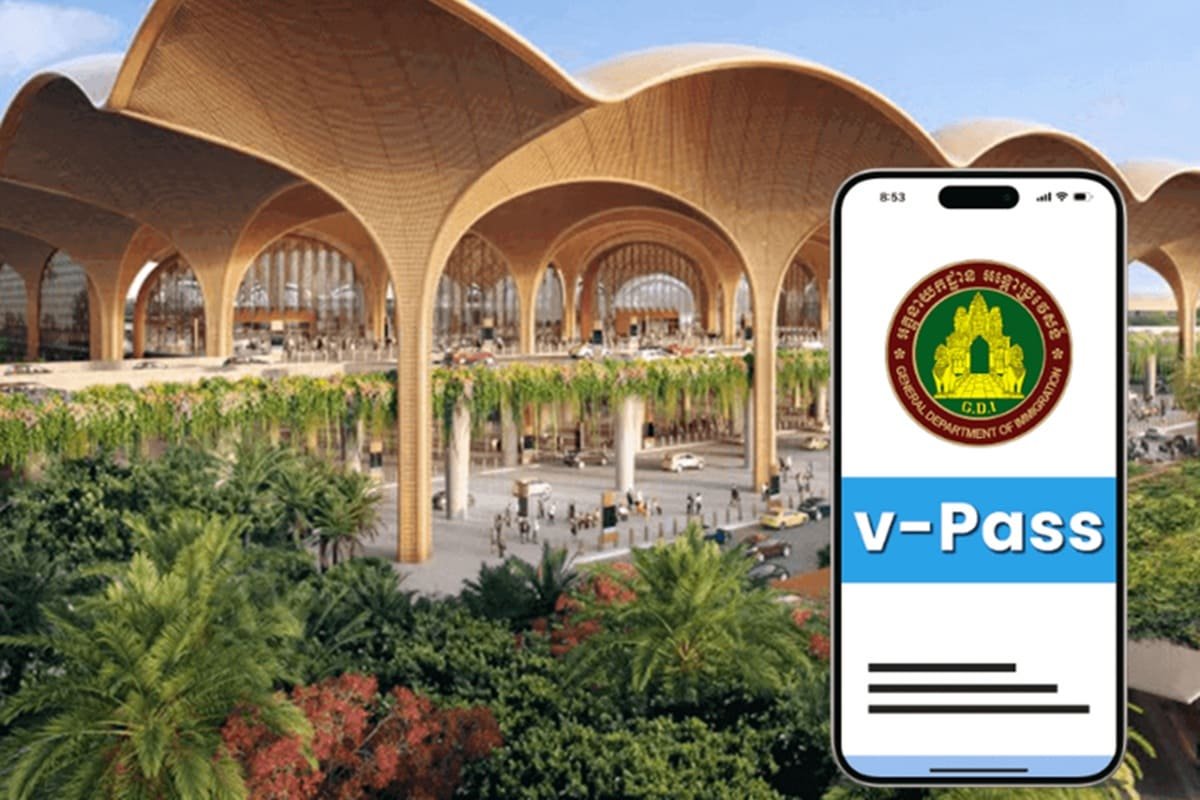
Cambodia is opening a new chapter in the way it issues visas.
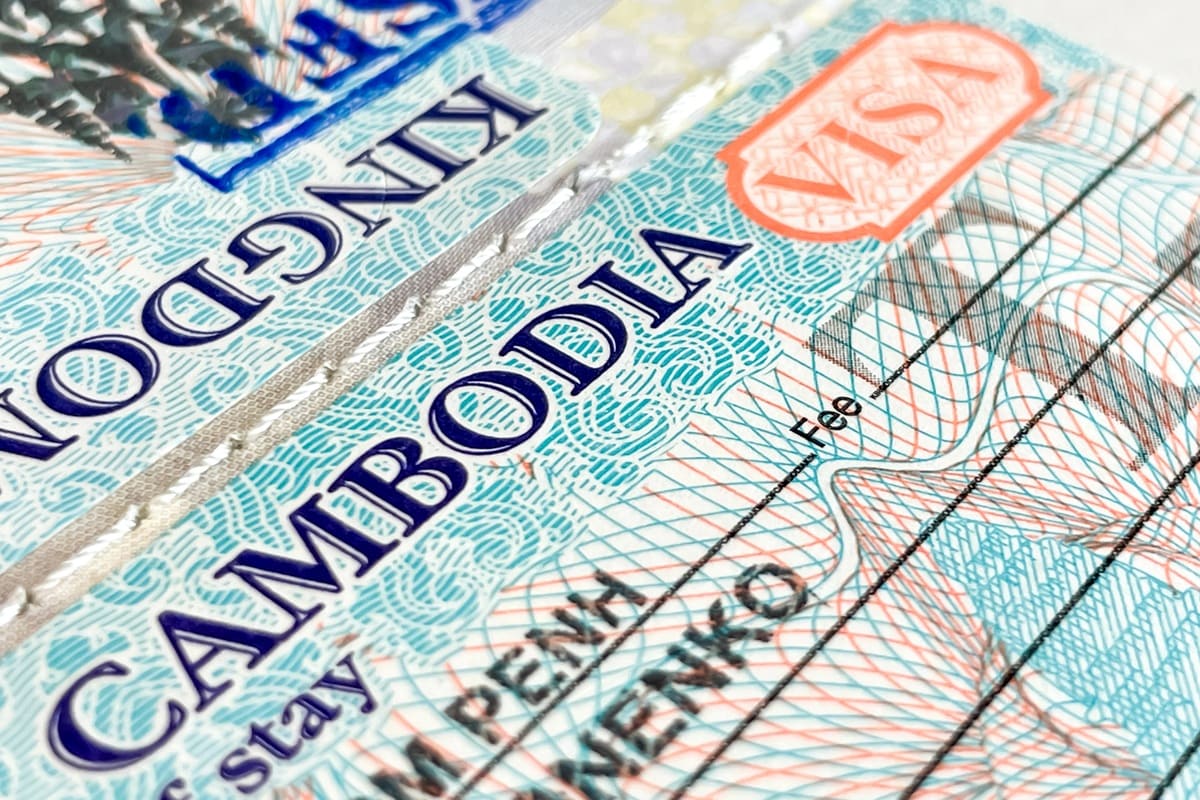
Since October 3, 2026, Cambodian embassies and consulates abroad have stopped issuing visas as physical stickers affixed to travelers’ passports.
The Royal Embassy of Cambodia in Berlin has confirmed the transition to fully electronic visa issuance and the phaseout of physical passport stickers.
The Honorary Consulate of Cambodia in Osaka states that, “pursuant to official directives from the Ministry of Foreign Affairs and International Cooperation of Cambodia (MFAIC), all issuance of Cambodian visa stickers has been stopped as of Saturday, October 3, 2026, for all overseas embassies and consulates..”
Visas issued by embassies are moving to electronic format
The change primarily affects the format of the visa: Cambodian diplomatic missions no longer place visa stickers in passports.
It does not necessarily mean that every visa application must now be completed entirely online.
The Royal Embassy of Cambodia in Bangkok says that, since October 3, 2026, all Cambodian visas are issued electronically, while continuing to accept applications submitted in person through its consular section.
In Osaka, the procedure is different. The consulate now directs travelers and travel agencies to submit their applications through the official Cambodia e-Visa portal. Physical visa applications and sticker issuance are no longer handled at the consular counter.
Application procedures may therefore still vary from one diplomatic mission to another, but the end result is now the same: visas issued by Cambodian embassies and consulates are no longer provided as stickers placed in passports.
A transition prepared since August 1, 2026
The end of visa stickers comes just weeks after two major changes to Cambodia’s e-Visa system.
Since August 1, 2026, Cambodian authorities have expanded the electronic platform to three additional visa categories:
- “A” visa, for diplomatic passport holders;
- “B” visa, for official travel;
- “C” visa, including courtesy visas.
These categories joined the electronic visas already offered by Cambodia, including the “T” tourist visa and “E” ordinary visa, used for a range of non-tourist and professional stays.
On the same day, Cambodia also updated the format of its e-Visa certificate. The traditional barcode was replaced with a QR code, a change designed to improve document security and make verification easier.
Together, these developments helped pave the way for the full digitization of consular visa issuance.
Visa on arrival remains available
The end of visa stickers at Cambodian embassies and consulates does not mean the end of the Visa on Arrival (VOA), which remains available to eligible travelers.
By air, visas on arrival can be obtained at Cambodia’s three international airports:
- Techo International Airport (KTI), serving Phnom Penh;
- Siem Reap Angkor International Airport (SAI);
- Sihanoukville International Airport (KOS).
By land, visas on arrival are available at major international border crossings with Vietnam and Laos.
At the Vietnam border, eligible entry points include:
- Bavet (Svay Rieng);
- Kaam Samnor (Kandal/Prey Veng);
- Phnom Den (Takeo);
- Trapaing Phlong (Kampong Cham);
- Trapaing Srè (Kratie);
- Oyadav (Ratanakiri);
- Banteay Chakrei (Prey Veng);
- Preak Chak (Kampot);
- Samrong (Svay Rieng).
At the Laos border, visas on arrival are available at Tropaeng Kreal, in Stung Treng province.
Land border crossings with Thailand, including Poipet, Cham Yeam, O’Smach, Choam, Prom and Dong, are also normally visa-on-arrival entry points. However, they remain closed to cross-border traffic for the time being, with land crossings between Cambodia and Thailand still suspended.
By river and sea, visas on arrival are available at Phnom Penh International Port. They are not issued at Sihanoukville International Port, which is used in particular by cruise ships.
The Cambodia e-Visa portal remains the main online application channel
For eligible travelers, the official Cambodia e-Visa portal allows applicants to request, among others, T tourist visas and E ordinary visas.
The T tourist visa currently costs $30, while the E visa costs $35. Both are issued for a single entry, are valid for three months from the date of issuance and allow an initial stay of one month.
Travelers holding an e-Visa must present their electronic visa certificate to immigration authorities upon arrival.
However, not all border crossings necessarily accept e-Visas. Travelers should therefore check before departure whether their intended point of entry is authorized to process this type of electronic visa.
Cambodia has also digitized its arrival card
Cambodia also uses the Cambodia e-Arrival, a digital arrival card that replaces several paper forms previously completed when entering the country.
This requirement is separate from the visa process. Travelers concerned must therefore complete their e-Arrival Card even if they already hold an e-Visa or another document authorizing entry into Cambodia.
The declaration can be submitted online or through the official Cambodia e-Arrival app within seven days before arrival.
With the expansion of the e-Visa system in August, the end of consular visa stickers in October and the use of a digital arrival card, Cambodia is continuing the gradual digitization of its main travel and entry procedures.
VisasNews Take
Since October 3, 2026, Cambodian embassies and consulates no longer issue visas as physical stickers placed in passports. Visas issued by Cambodian diplomatic missions are now delivered electronically. The change does not eliminate the visa-on-arrival option: it primarily affects the way consular visas are issued. It also forms part of Cambodia’s broader shift toward digital travel formalities, which includes the Cambodia e-Arrival, a separate electronic arrival card that eligible travelers must complete before entering the country.