Thailand now has a new administrative framework for handling the deportation of foreign nationals.
Published in Thailand’s Royal Gazette on August 27, 2026, the Prime Minister’s Office Regulation on Deportation B.E. 2569 (2026) was signed the previous day by Prime Minister Anutin Charnvirakul and takes effect the day after its publication.
Rather than creating entirely new grounds for deportation, the regulation is primarily intended to establish clearer and faster procedures among the government agencies involved. Thai authorities say the country intends to continue welcoming foreign nationals who legally enter Thailand for tourism, work or other activities, while providing a more clearly defined mechanism for cases involving violations of the law or serious disturbances to public order.
Behavior that threatens public order can lead to deportation
The new regulation does not apply only to tourists, but to foreign nationals in Thailand more broadly.
Article 4 provides that a foreign national whose behavior or circumstances are considered harmful to public order, public morals or the welfare of the population may be subject to deportation proceedings.
In such cases, the permanent secretary of the Ministry of Interior, or an authorized official, refers the case to the interior minister, who has the authority to order deportation. Individuals who incite or support the conduct in question may also fall within the scope of the regulation.
The measure therefore does not give the Ministry of Tourism the power to directly deport a traveler. The decision rests with the Ministry of Interior, following a review of the case.
The regulation also covers more clearly defined legal situations, including illegal entry or overstay, unauthorized employment or business activity, the falsification of official documents, and certain serious criminal offenses punishable by at least five years in prison.
For these cases, the regulation notably establishes procedures for information-sharing between corrections authorities and the Ministry of Interior so that deportation can be considered before the individual is released from custody.
On August 28, the Government Public Relations Department published a detailed overview of the new regulation, saying it is intended to allow the relevant agencies to enforce deportation provisions “quickly, efficiently and according to a consistent standard nationwide.”
“Thailand is open and welcomes tourists from around the world who respect the law”
The regulation takes effect as Thai authorities have increasingly spoken out in recent weeks about the behavior of some foreign visitors in the country’s major tourist destinations.
As reported by the Bangkok Post, Tourism and Sports Minister Surasak Phancharoenworakul stressed that the tougher approach does not call into question Thailand’s broader policy of welcoming international visitors.
“Thailand is open and welcomes tourists from around the world who respect the law, Thai people and our culture. At the same time, we do not welcome and will not tolerate tourists who disregard the law, lack morality, disrespect Thai people or cause trouble and disrupt our social order,” he said.
The minister added that “if such behaviour is found, we are ready to enforce the law decisively and deport them immediately to protect the welfare of all Thai people and maintain a safe environment for other tourists.”
Despite the firm tone of those remarks, authorities have emphasized that cases should be reviewed individually and that action taken against one traveler should not result in broader measures targeting other visitors of the same nationality.
Visas recently revoked in Koh Samui and Phuket
That case-by-case approach had already been highlighted several days before the new deportation regulation took effect.
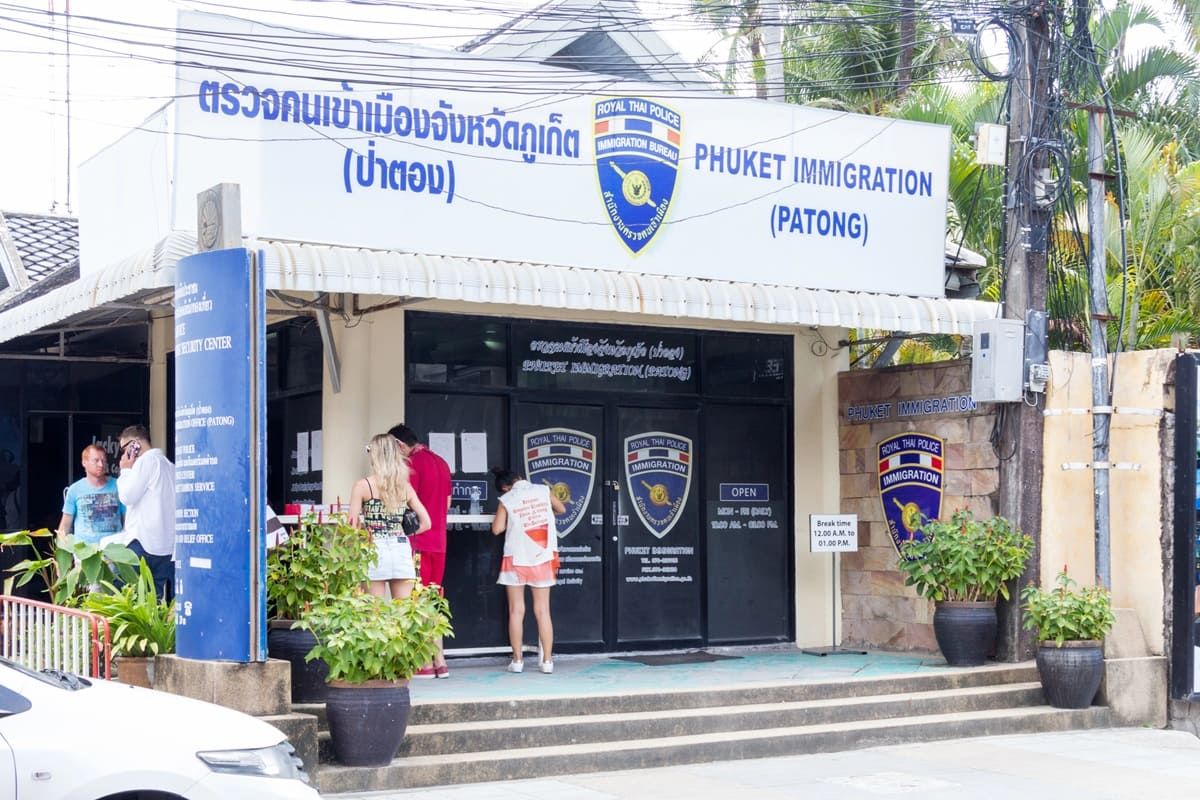
On August 25, the Thai government said it had received several complaints about the behavior of foreign tourists, particularly in Koh Samui and Phuket, and confirmed that visas had been revoked following certain incidents. Officials again stressed that action taken against an individual traveler should not be extended to other nationals of the same country.
In Koh Samui, authorities notably revoked the visa of a foreign tourist accused of threatening and harassing the owner of an animal park on the island.
Thai authorities also want to improve the information provided to visitors before they arrive. The Tourism Authority of Thailand (TAT) is working with embassies and airlines to better communicate the country’s main legal requirements, local customs and expected standards of behavior during a stay in Thailand.
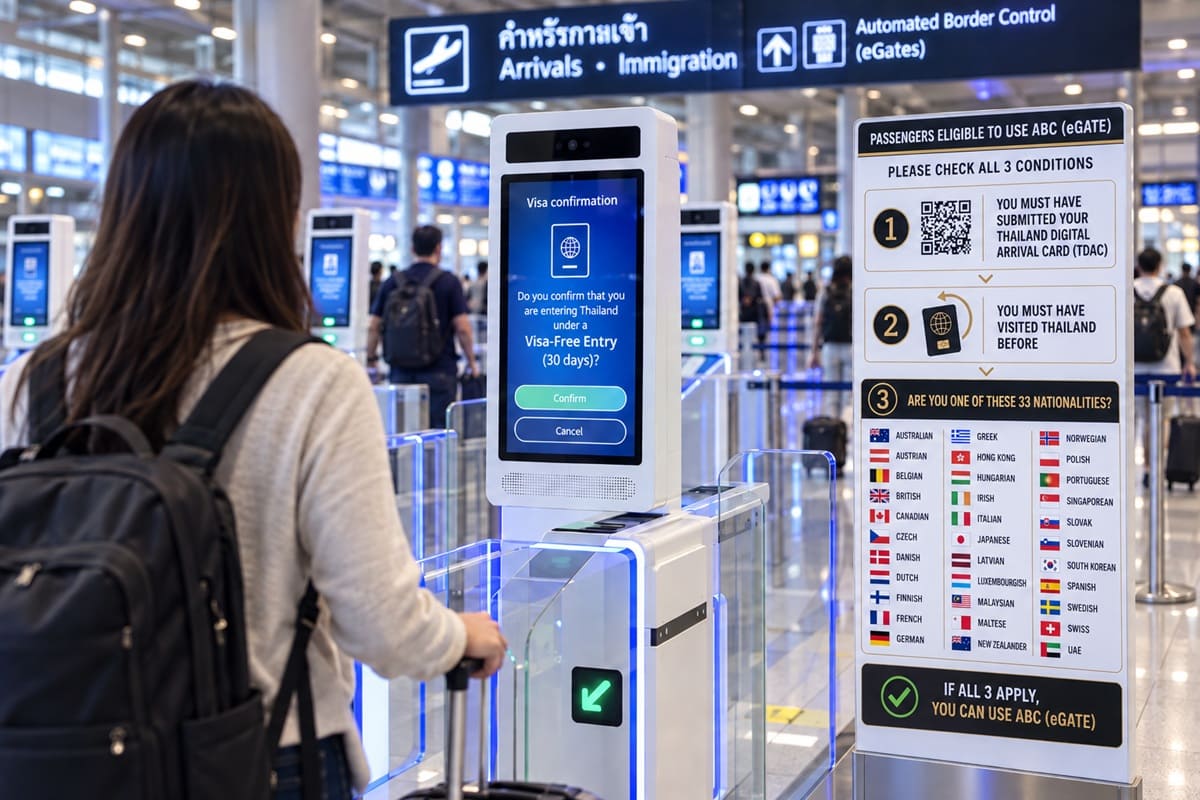
At the same time, Thailand is still preparing to implement its visa-exemption reform, which is expected to reduce the visa-free stay available to many travelers from 60 to 30 days. Although approved by the government, the new provisions must still be published in the Royal Gazette before they can take effect.
A public consultation has also recently opened on the proposed 450-baht tourism fee for foreign travelers, with authorities accepting comments and feedback through September 28, 2026 before moving forward with the measure.
VisasNews Take
The regulation taking effect does not mean that travelers automatically face deportation for a simple mistake or a minor breach of local customs. Above all, the measure establishes procedures for dealing with foreign nationals who violate Thai law or whose conduct is considered serious enough to threaten public order, public morals or the welfare of the population. Deportation decisions rest with Thailand’s interior minister, and authorities say cases will be reviewed individually.