The Philippines has expanded access to its electronic visa system to the United States and several Caribbean countries and territories.
In an announcement published on August 7, 2026, the Philippine Embassy in Washington confirmed that the e-Visa system would be implemented across its newly covered jurisdictions beginning August 10, 2026.
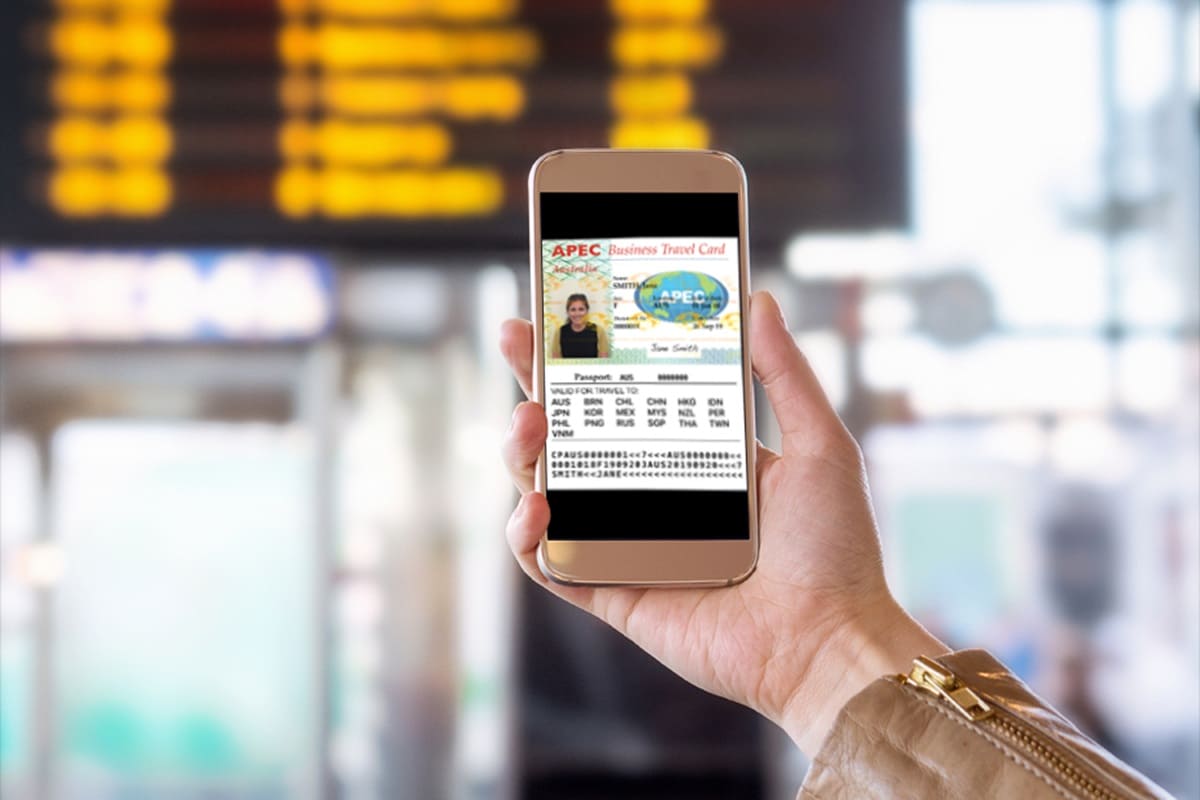
Eligible applicants residing in the jurisdictions concerned can now submit their applications online through the official evisa.gov.ph portal, without having a physical visa sticker placed in their passport. Once approved, the e-Visa can be downloaded and presented either digitally or as a printed copy.
US and 19 Caribbean countries and territories now covered
In addition to the United States, the expansion announced by the Philippine Embassy covers:
- Anguilla;
- Antigua and Barbuda;
- The Bahamas;
- Barbados;
- British Virgin Islands;
- Cayman Islands;
- Dominica;
- Guadeloupe;
- Haiti;
- Jamaica;
- Martinique;
- Montserrat;
- Saint Barthélemy;
- Saint Kitts and Nevis;
- Saint Lucia;
- Saint Martin;
- Saint Vincent and the Grenadines;
- Trinidad and Tobago;
- Turks and Caicos Islands.
The embassy specifies that the system is intended for residents of these countries and territories who are eligible for the Philippine e-Visa and plan to make a temporary visit to the Philippines. Eligibility can be checked directly through the official portal when starting an application.
The expansion therefore does not mean that US citizens or nationals of the Caribbean countries concerned are becoming subject to a new visa requirement.
US citizens, like many other nationalities within the newly covered jurisdictions, continue to qualify for visa-free entry for an initial stay of up to 30 days, provided they meet the applicable entry requirements.
The e-Visa can notably provide an online option for residents whose nationality requires them to obtain a Philippine visa before traveling. It may also be useful for certain visa-exempt travelers who want to obtain a temporary 9(a) visa before departure for a longer stay.
Depending on the traveler’s circumstances and the visa issued, a 9(a) visa may allow a stay of up to 59 days.
Philippine e-Visa network has expanded significantly since September 2025
The latest rollout in the United States and the Caribbean is part of a much broader expansion of the Philippine e-Visa system.
During a previous expansion in September 2025, the e-Visa had notably been introduced in France, Austria, Greece and the Netherlands, with access also extended to residents of Monaco, Cyprus and North Macedonia depending on the relevant consular jurisdiction.
Several additional milestones have followed since then.
In November 2025, the Philippines resumed issuing e-Visas to Chinese nationals residing in mainland China, Hong Kong and Macau. The system was fully rolled out on November 3 across Philippine diplomatic and consular posts in China.
The expansion then accelerated during the summer of 2026.
In Japan, where the Philippine Embassy in Tokyo had already offered the e-Visa since June 2025, the system was expanded to the Philippine Consulate General in Nagoya on June 8, 2026.
In New Zealand, the Philippine Embassy in Wellington announced on June 23 that the system had been opened to residents of New Zealand, the Cook Islands and Niue, effective June 22.
In Australia, the Philippine Embassy in Canberra introduced the e-Visa on July 1 for eligible applicants within its consular jurisdiction, which covers the Australian Capital Territory, Queensland, the Northern Territory and Western Australia.
Europe has also seen several new rollouts. Since July 6, 2026, eligible residents of Spain and Andorra have been able to apply online through the Philippine Embassy in Madrid.
That same month, the system was rolled out in Denmark and made available to eligible residents of the Faroe Islands and Greenland.
The Philippine Embassy in Berlin also announced on July 14, 2026 the implementation of the e-Visa system in Germany.
These successive rollouts show that the Philippines is expanding the platform gradually according to countries of residence and the jurisdictions covered by individual embassies and consulates, rather than through a simultaneous worldwide launch.
How to apply for a Philippine e-Visa
Eligible applicants must use the official evisa.gov.ph portal to create an account, complete the application form and upload the required supporting documents. The portal also allows applicants to track the status of their application and retrieve the visa electronically once it has been approved.
The system notably covers the temporary visitor 9(a) visa. Philippine consular authorities remind travelers that an e-Visa cannot be converted into another visa category and that the authorized stay cannot be extended under the electronic visa. Travelers planning to study, work or undertake certain other activities must therefore continue to apply for the appropriate visa through a Philippine diplomatic or consular mission.
Once the e-Visa has been issued, travelers must also register through the Philippine eTravel platform within 72 hours before departure. The embassy specifically advises e-Visa holders to wait until their visa has been issued before completing this requirement.
VisasNews Take
The expansion of the e-Visa system to the United States and several Caribbean territories does not change the visa exemptions already granted by the Philippines. US travelers, for example, remain eligible for visa-free entry for stays of up to 30 days. The main significance of this rollout is that eligible residents of the newly covered jurisdictions who do require a Philippine visa can now complete the application process online.