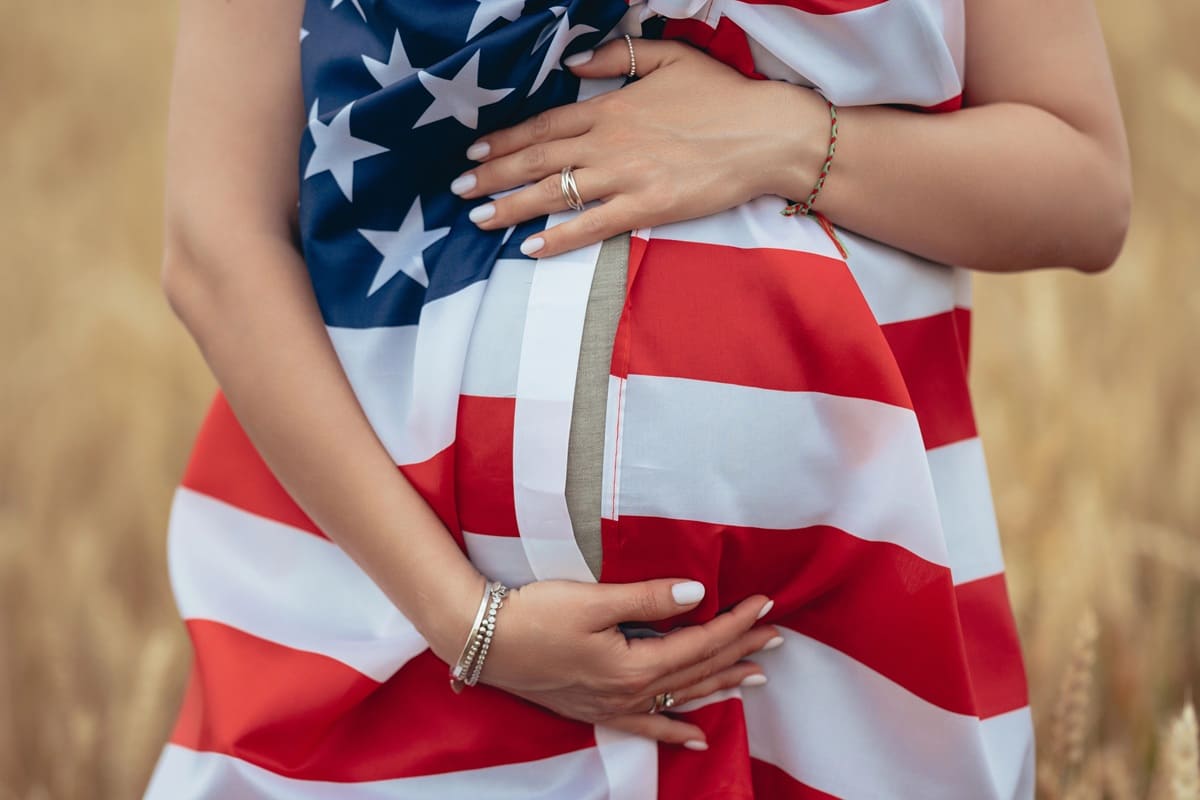
The United States is stepping up efforts to combat “birth tourism,” the practice of traveling to the country for the purpose of giving birth there.
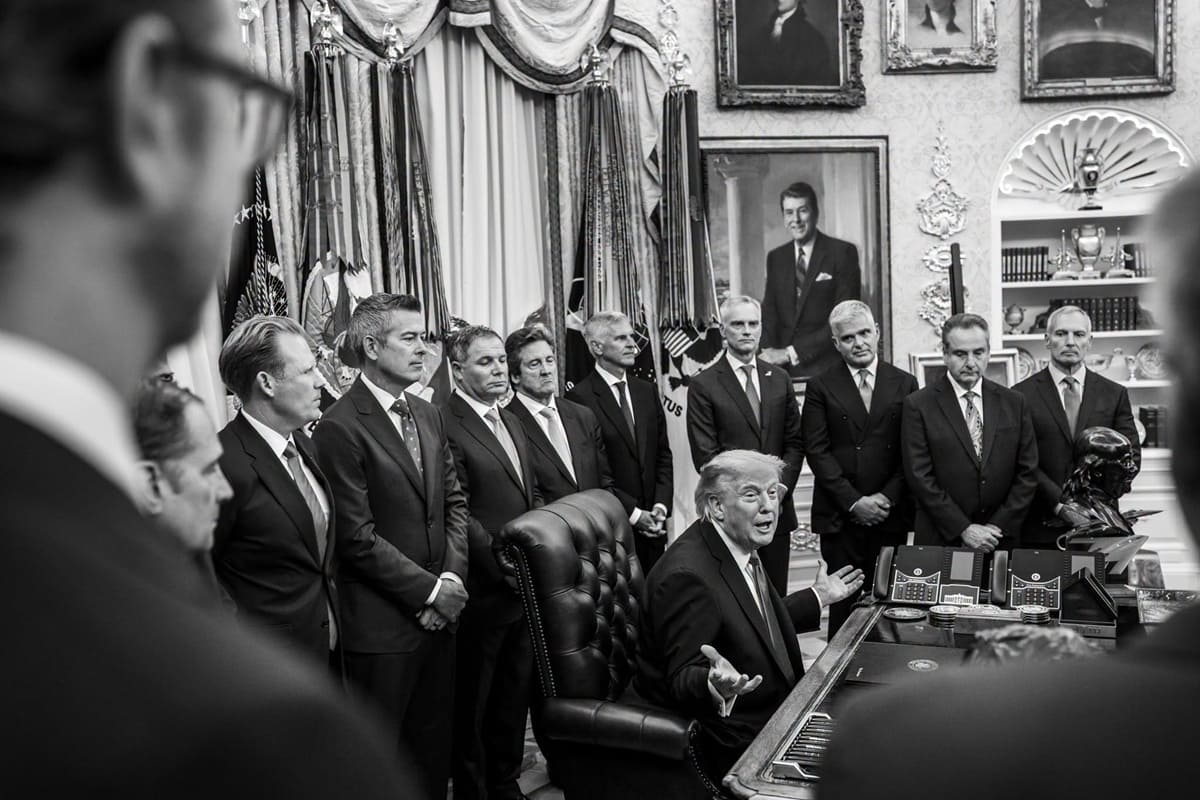
On August 6, 2026, President Donald Trump signed two executive orders addressing the issue. The first deals with the recognition of US citizenship in certain circumstances, while the second directly addresses entry into the United States. The White House describes the two measures as part of a broader effort to end birth tourism.
For travelers, the most significant change involves the authority given to the State Department and the Department of Homeland Security (DHS). Both agencies have been directed to revise their rules and guidance to prevent the use of nonimmigrant visas for the purpose of traveling to the United States to give birth.
Visa denials, revocations and entry bans
The executive order addressing birth tourism outlines several measures that US authorities may adopt.
The State Department and DHS may prevent a person from entering the United States or deny a visa or other travel authorization when authorities believe the individual intends to travel to the country for this purpose.
The order also contemplates more serious consequences, including revoking an already issued visa or travel authorization, denying admission or removing a person from the United States, and potentially imposing a permanent ban on future entry. Measures may also be taken against individuals, companies or organizations that facilitate such travel, including those operating outside the United States.
Exceptions may nevertheless be granted on humanitarian grounds or when a person’s admission is considered to be in the national interest of the United States.
Birth tourism is already prohibited on a visitor visa
The August 6 decision does not mean the United States is banning the use of tourist visas for birth tourism for the first time.
Since January 24, 2020, US consular officers have been required to deny a B visitor visa when they have reason to believe that the primary purpose of the trip is to give birth in the United States so that the child can obtain US citizenship.
The State Department continues to state that birth tourism, defined as travel whose primary purpose is to give birth in the United States in order to obtain US citizenship for the child, is not a permitted basis for obtaining a visitor visa.
Travel to the United States for medical treatment remains an allowable use of a B-2 visa, however, provided applicants can demonstrate, among other things, the medical arrangements for their care and their ability to pay the associated costs.
The new executive order therefore goes beyond the 2020 framework by contemplating not only visa denial, but also visa revocation and a possible permanent ban on entering the United States.
Could ESTA travelers also be affected?
The executive order applies to people entering the United States with a nonimmigrant visa, but it also authorizes the denial or revocation of “any visa or other travel authorization.”
That wording naturally raises questions about the ESTA used by travelers under the Visa Waiver Program. However, the executive order does not explicitly mention ESTA and defines birth tourism by referring to entry into the United States on a nonimmigrant visa.
It is therefore too early to conclude that new rules already apply specifically to ESTA travelers. Forthcoming guidance from DHS and the State Department will need to clarify the exact scope of the measure.
A second executive order also targets birthright citizenship
At the same time, Donald Trump signed a second executive order addressing the recognition of US citizenship.
Among other provisions, the order directs federal agencies not to recognize a child as a US citizen when neither parent is a US citizen and the parents entered into a commercial transaction intended to enable the mother to be physically present in the United States to give birth. It also addresses certain arrangements involving a surrogate who is present in the United States.
The White House explicitly links this measure to its broader effort to combat birth tourism. The federal agencies concerned must publish public guidance within 30 days of the August 6 order explaining how this part of the policy will be implemented.
No similarly specific timeline has been set for changes involving visas and entry requirements. Additional guidance from the State Department and DHS is therefore expected to clarify how visa or travel authorization revocations, permanent entry bans and any provisions affecting other forms of travel authorization will be applied.
VisasNews Take
The United States has already denied visitor visas for birth tourism since 2020 when the primary purpose of a trip is to give birth in order to obtain US citizenship for the child. The August 6, 2026 executive order primarily opens the door to much tougher consequences, including the revocation of a visa or travel authorization and a potential permanent entry ban. Key implementation details have yet to be clarified, particularly regarding ESTA travelers and pregnancy-related travel for legitimate medical reasons.