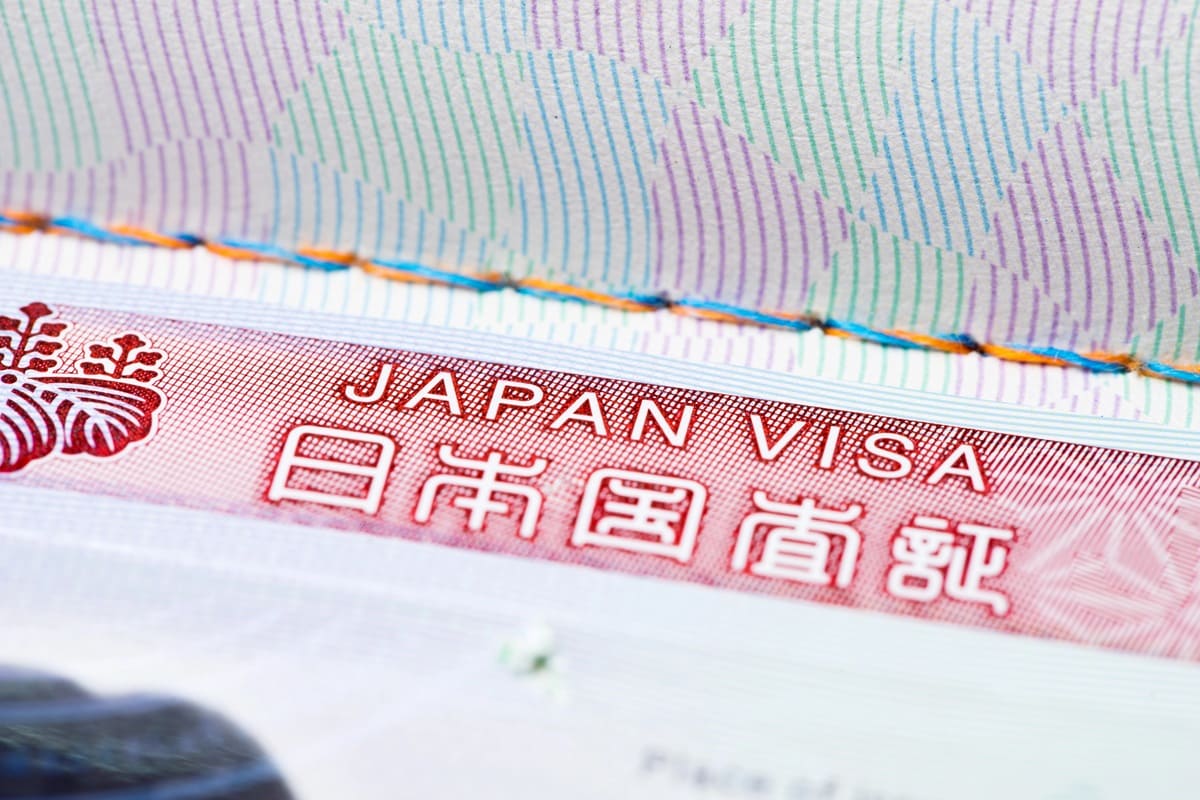
Japan is preparing to sharply increase the fees charged to foreign travelers who need a visa before entering the country.
The Japanese government approved on Friday, June 19, 2026, a revision to the ordinance setting visa issuance fees. The measure is scheduled to take effect on July 1, 2026, and will apply to applications submitted from that date onward.
The announcement was made by Foreign Minister Toshimitsu Motegi during a press conference. Tokyo says the revision reflects changes in prices and exchange rates since visa fees were last updated in 1978.
Fees multiplied by five
Starting July 1, 2026, the fee for a single-entry visa will rise from 3,000 to 15,000 yen, or roughly from $18 to $93. Multiple-entry visas, which allow travelers to enter Japan several times during the visa’s validity period, will increase from 6,000 to 30,000 yen, or roughly from $37to $186.
The new rates represent a fivefold increase over the fees currently in place.
In a preparatory document published this spring, Japan’s Ministry of Foreign Affairs noted that visa fees had remained unchanged for nearly half a century. The reform is intended to bring the amounts in line with inflation and currency fluctuations since 1978.
The fees may be collected in local currency by Japanese embassies and consulates, according to the rules in each country. The official reference amounts, however, remain set in yen.
Asked about the possible impact of the increase, Motegi said the Japanese government does not expect an immediate effect on inbound tourism. Japan remains a highly attractive international destination, with visitor numbers strongly recovering in recent years.
Japan’s entry formalities are becoming more digital
The fee increase comes as Japan continues to gradually digitize its entry procedures. The Japan eVISA system already allows certain visa-required travelers to apply online for a short-term tourist visa, when their nationality, country of residence and purpose of travel are covered by the program.
Japanese authorities have not yet issued separate guidance on whether the fee increase will apply specifically to online applications, but electronic visas are logically expected to be included, since they are a digital way to apply for a visa rather than a separate visa category.
This shift also comes as Japan prepares JESTA, its future electronic travel authorization system for visitors who are currently visa-exempt for short stays. Expected during fiscal year 2028, the system is designed to allow travelers to submit certain information before departure, strengthening pre-arrival screening before they reach Japan.
VisasNews Take
This increase does not change Japan’s entry rules for every traveler, but it will clearly affect those who already need a visa before departure. After nearly half a century without a fee adjustment, Tokyo is bringing its visa charges up to date in a country where entry formalities are generally clear, but rarely left to chance.
For travelers planning a trip to Japan, checking whether a visa is required will no longer be enough. Between traditional visa applications, electronic visas for certain profiles and the future JESTA system expected for visa-exempt visitors, Japan’s entry procedures are becoming more digital and more firmly handled before departure. The right reflex will be to check, before booking or submitting an application, which procedure applies, what the visa actually costs and which rules are in force on the travel date.