
Egypt: new visa-on-arrival system enters testing phase
Egypt has begun the testing phase of its new tourist visa-on-arrival system, a digital program designed to streamline entry procedures and modernize the travel experience in its airports.
Egypt has begun the testing phase of its new tourist visa-on-arrival system, a digital program designed to streamline entry procedures and modernize the travel experience in its airports.
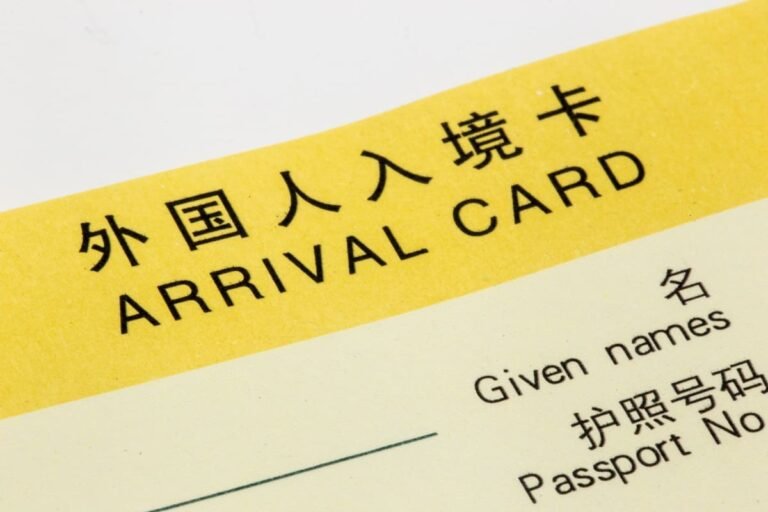
China officially launches today its new digital arrival card for foreign travelers. This procedure, previously completed through a paper form handed out on planes or upon arrival, can now be filled out online before entering Chinese territory. Learn how this digital arrival card works and how to complete it.
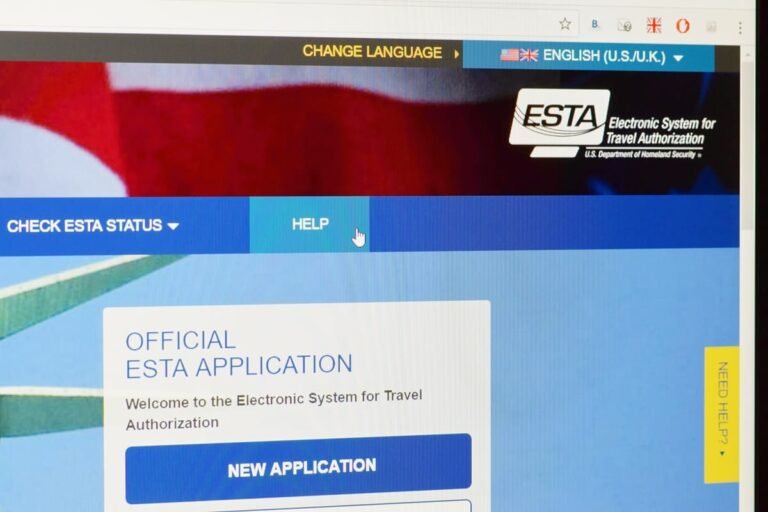
After nearly doubling a few weeks ago, the ESTA fee will soon undergo another adjustment. This change, scheduled every year, remains very modest and is simply the result of applying the inflation-indexing mechanism.

A major technical outage at Cloudflare, a key player in Internet infrastructure, has triggered a wave of unavailability across the global Web. The direct and critical consequence: numerous official electronic visa (e-Visa) application portals, including those for Saudi Arabia, Kenya, and Thailand, are currently inaccessible or displaying error messages. This incident is paralyzing the administrative procedures for thousands of travelers.

Announced jointly by Donald Trump and Gianni Infantino, the “FIFA PASS” promises expedited visa interview appointments at U.S. consulates for holders of 2026 World Cup tickets.
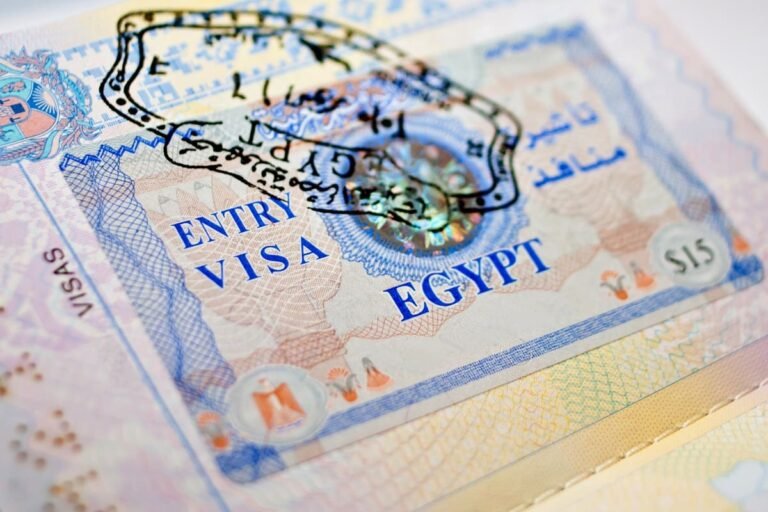
As the Egypt e-Visa portal continues to experience disruptions that prevent access to approved visas, the authorities have chosen to send applicants an approval certificate for their electronic visa request directly, in order to secure their travel.

A major malfunction has been affecting Egypt’s official electronic visa application website for several days, disrupting travelers’ ability to complete their procedures. While the e-Visa system remains down, eligible tourists can still obtain their visa upon arrival in the country.
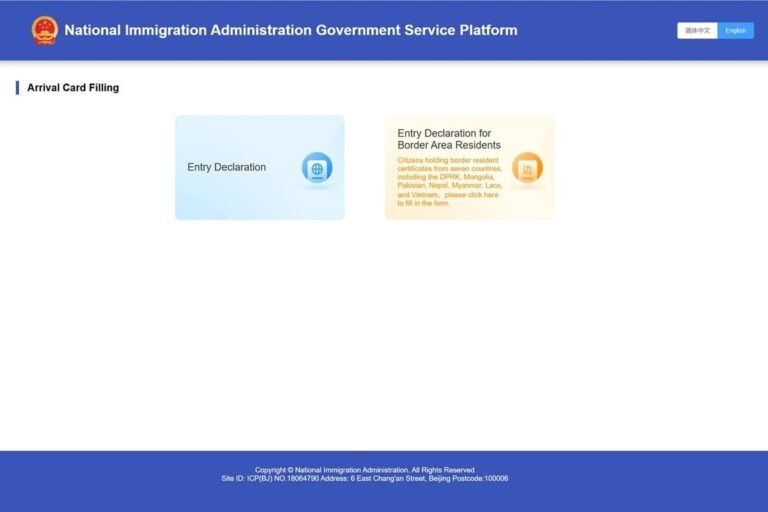
Starting November 20, 2025, China will introduce an online arrival card allowing foreign travelers to fill out their entry information before arriving in the country.

China has announced a one-year extension of its unilateral 30-day visa-free entry policy for citizens of several countries, including France. The measure, originally set to expire at the end of 2025, will now remain in effect until December 31, 2026.

The Sri Lankan Department of Immigration and Emigration announces the revocation of the measure that required all travelers to obtain an Electronic Travel Authorization (ETA) before departure.

Guernsey announces the extension until 2026 of its program allowing French visitors to travel to the island for same-day trips using only a national ID card. The measure aims to support tourism and strengthen cultural ties with France.

Promised to tourists from 33 additional countries, the waiver of Electronic Travel Authorization (ETA) fees has not yet taken effect in Sri Lanka. According to local media, the measure has been delayed by legal hurdles and could be implemented “within one or two months”.
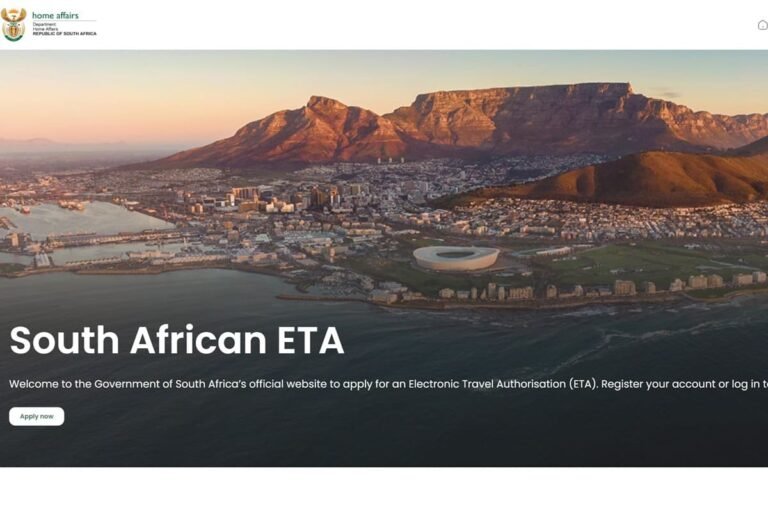
Announced last September, South Africa’s Electronic Travel Autorisation (ETA) system is taking clearer shape. Spotted by VisasNews, the official portal is now live, revealing the first details of a program set to transform the country’s entry procedures.

Thailand’s Ministry of Tourism and Sports and the Department of Consular Affairs have confirmed the launch of consultations on the 60-day visa exemption policy, which has been in effect since July 2024. No decision has been made yet, but a return to a shorter stay period for certain travelers is now officially under consideration.
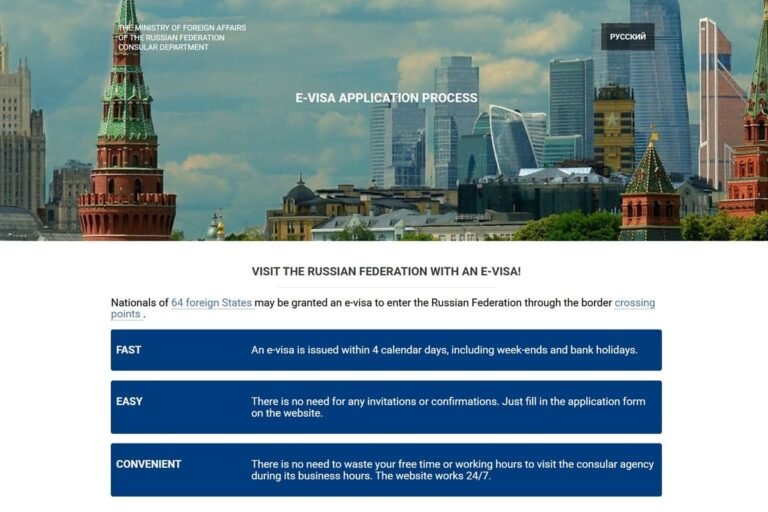
The release of French cyclist Sofiane Sehili, who was detained in Russia’s Far East for “illegal border crossing,” highlights an often-overlooked detail: the electronic visa (e-Visa) does not allow entry into Russia through every border checkpoint. A timely reminder for travelers drawn to this otherwise simplified entry option.
