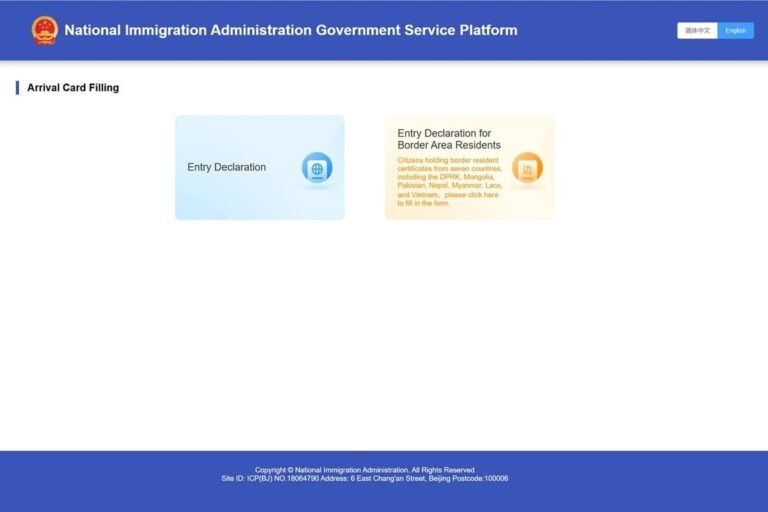
China introduces a digital arrival card for foreign travelers
Starting November 20, 2025, China will introduce an online arrival card allowing foreign travelers to fill out their entry information before arriving in the country.
Starting November 20, 2025, China will introduce an online arrival card allowing foreign travelers to fill out their entry information before arriving in the country.

China has announced a one-year extension of its unilateral 30-day visa-free entry policy for citizens of several countries, including France. The measure, originally set to expire at the end of 2025, will now remain in effect until December 31, 2026.

The Sri Lankan Department of Immigration and Emigration announces the revocation of the measure that required all travelers to obtain an Electronic Travel Authorization (ETA) before departure.

Guernsey announces the extension until 2026 of its program allowing French visitors to travel to the island for same-day trips using only a national ID card. The measure aims to support tourism and strengthen cultural ties with France.

Promised to tourists from 33 additional countries, the waiver of Electronic Travel Authorization (ETA) fees has not yet taken effect in Sri Lanka. According to local media, the measure has been delayed by legal hurdles and could be implemented “within one or two months”.
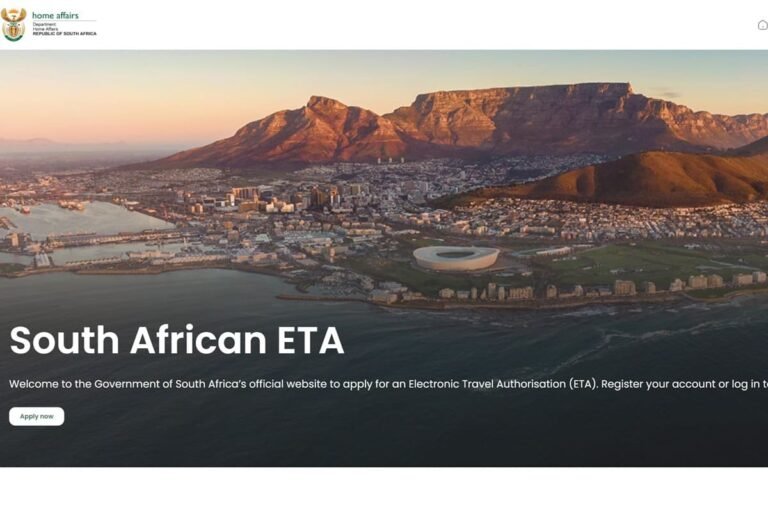
Announced last September, South Africa’s Electronic Travel Autorisation (ETA) system is taking clearer shape. Spotted by VisasNews, the official portal is now live, revealing the first details of a program set to transform the country’s entry procedures.

Thailand’s Ministry of Tourism and Sports and the Department of Consular Affairs have confirmed the launch of consultations on the 60-day visa exemption policy, which has been in effect since July 2024. No decision has been made yet, but a return to a shorter stay period for certain travelers is now officially under consideration.

The release of French cyclist Sofiane Sehili, who was detained in Russia’s Far East for “illegal border crossing,” highlights an often-overlooked detail: the electronic visa (e-Visa) does not allow entry into Russia through every border checkpoint. A timely reminder for travelers drawn to this otherwise simplified entry option.

As the tourist season approaches, the Sri Lankan government is stepping up its efforts to strengthen infrastructure and simplify entry procedures. Among the top priorities are the streamlining of the Electronic Travel Authorization (ETA) system and the improvement of passenger services at airports to ensure a smoother arrival experience.
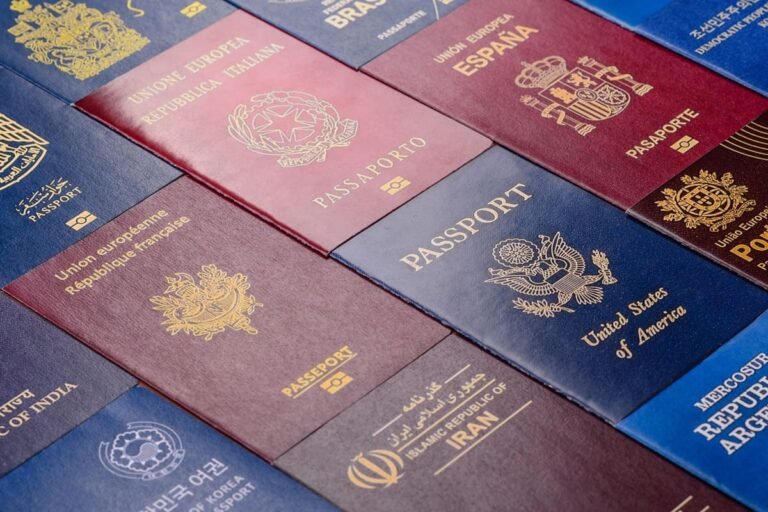
Henley & Partners has just released the latest edition of its Henley Passport Index. This authoritative ranking, based on the travel freedom each passport provides, confirms the continued dominance of Asian and European countries, while the United States continues its downward slide.

As of October 15, 2025, travelers visiting Sri Lanka for short stays must obtain an Electronic Travel Authorization (ETA) before departure.

Montenegro has undertaken a series of reforms aimed at aligning its legal framework with European visa standards, while also initiating work on a future electronic visa system.

Since October 12, 2025, non-EU travelers entering or leaving the Schengen Area have been subject to a new digital system called the Entry/Exit System (EES). This automated system replaces the traditional passport stamp and is designed to better monitor the length of stays while enhancing border security.

The fire that broke out in late September at South Korea’s main government data center caused an unprecedented outage of hundreds of online public services. Among them was the e-Arrival Card, the electronic entry form for foreign travelers, which authorities have just announced is back online.

As part of its shift toward more modern immigration procedures, India is officially launching its digital arrival card for foreign travelers on October 1, 2025. Available online or through a mobile app, this new entry requirement will coexist with the traditional paper version during a six-month transitional period.
