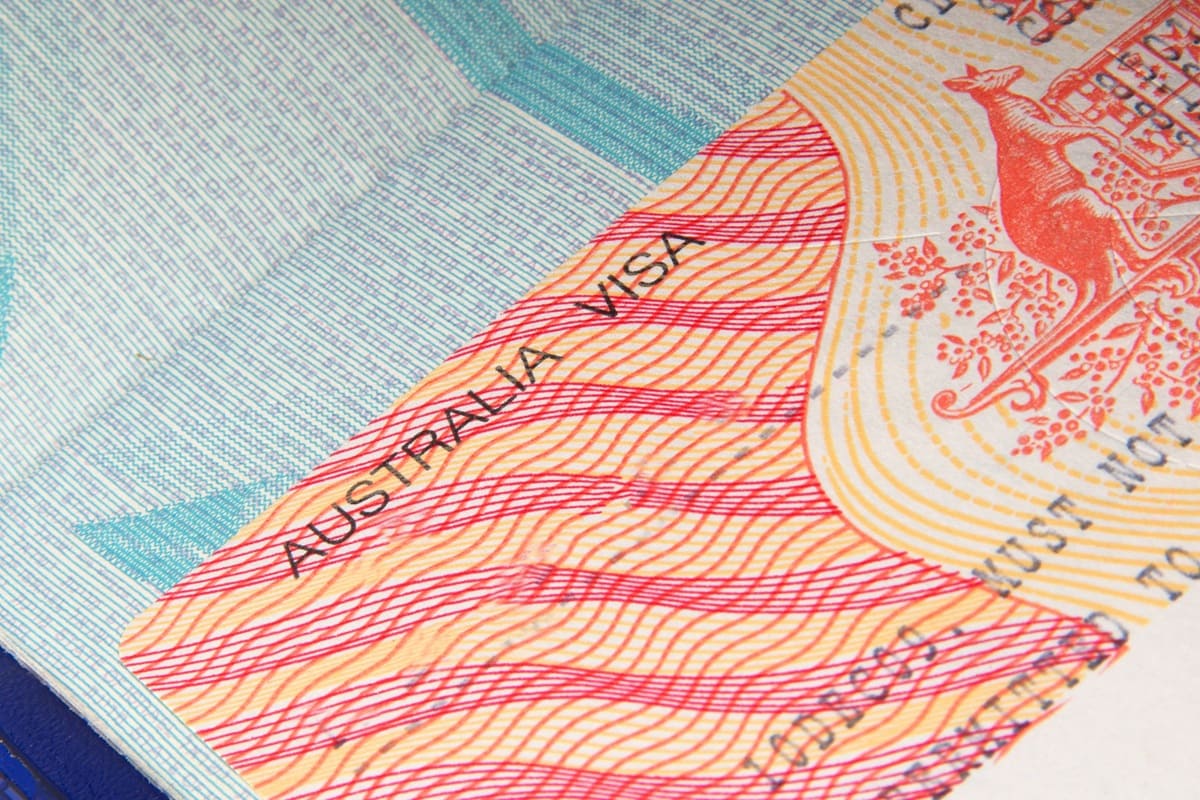
Australia remains one of the most iconic destinations for a Working Holiday Visa, commonly known in France as the PVT, or Programme Vacances-Travail. But the initial budget needed to start the journey has just gone up.
Since July 1, 2026, application fees for Working Holiday Maker visas have been increased by the Australian authorities. The change affects the two main branches of the program: the Working Holiday visa (subclass 417) and the Work and Holiday visa (subclass 462).
In practical terms, a first WHV application now costs AU$840, up from AU$670. For a second or third application, the fee now reaches AU$1,000.
The Australian WHV becomes more expensive from July 1, 2026
The WHV is not the only visa affected. Australia revised several visa fees on July 1, 2026, with a particularly noticeable impact on Working Holiday Maker applications. The Australian government applied a general 25% increase to most visa application charges, while also introducing specific adjustments for certain visa categories.
Working Holiday Maker visas are among the categories treated separately, particularly for second and third applications. Australian authorities state that these additional applications are subject to a targeted AU$330 increase, bringing their cost to AU$1,000.
For travelers, the change is easy to understand: starting a first year in Australia now costs more from the visa application stage, and extending the experience for a second or third year has become significantly more expensive.
Two visas, one shared purpose: travel, work and discover Australia
The term “Working Holiday Visa” is often used broadly, but Australia’s program is actually based on two subcategories. Both have the same purpose: allowing young adults to stay in Australia, travel around the country and work to help fund part of their stay.
The main differences depend on the passport holder’s nationality, the agreements signed with Australia and, for some countries, quotas or selection procedures.
- Working Holiday visa – subclass 417
This is the best-known version of the Australian WHV for many European travelers. It is intended for young adults holding a passport from an eligible country or territory who want to spend up to 12 months in Australia while being allowed to work during their stay to help fund their trip.
- Work and Holiday visa – subclass 462
This other version of the program applies to different partner countries. It also allows travelers to visit and work in Australia, but may be subject to additional rules depending on nationality, such as annual quotas, education requirements, functional English requirements or a pre-registration/ballot process for certain countries.
In both cases, this is a temporary visa designed for a discovery-based stay, not a standard work visa. Work is allowed, but it is meant to support the travel experience rather than become the main purpose of the stay.
It should therefore not be confused with the eVisitor (subclass 651) or ETA (subclass 601), which are aimed more at short-term travelers visiting for tourism, family visits or certain business activities. The WHV offers a genuine mobility experience in Australia, with the possibility of working to help finance part of the journey.
New Australian WHV fees
Here is a comparison of the fees before and after the July 1, 2026 increase:
- Working Holiday visa subclass 417 – first application
Previous fee: AU$670
New fee: AU$840
Increase: +AU$170
- Working Holiday visa subclass 417 – second or third application
Previous fee: AU$670
New fee: AU$1,000
Increase: +AU$330
- Work and Holiday visa subclass 462 – standard first application
Previous fee: AU$670
New fee: AU$840
Increase: +AU$170
- Work and Holiday visa subclass 462 – first application for certain Pacific and Timor-Leste nationals
Previous fee: around AU$670
New fee: AU$690
Limited increase, linked to a specific adjustment for these applicants
- Work and Holiday visa subclass 462 – second or third application
Previous fee: AU$670
New fee: AU$1,000
Increase: +AU$330
Additional costs may apply depending on the applicant’s profile, including possible medical examinations, certificates, translations or formalities related to the country of residence.
The biggest impact is on longer stays
For a first experience in Australia, the increase represents an additional AU$170. That may not be enough to discourage a traveler who is already committed to the project, but it adds to an often substantial initial budget: flights, insurance, required savings, first accommodation, domestic travel and setup costs.
The impact is more visible for travelers planning to stay longer. A second or third year WHV now costs AU$1,000 for the visa application alone. For backpackers hoping to extend their stay after several months of seasonal or regional work, the step up is now steeper.
Australia’s program remains attractive, however. Under certain conditions, it still allows travelers to stay in the country for up to three years by applying successively for a first, second and third Working Holiday Maker visa. Access to second and third visas remains linked in particular to completing periods of specified work, except where exemptions are provided under certain agreements.
VisasNews Take
The Australian WHV remains a very popular gateway for discovering the country beyond a simple tourist trip. The fee increase does not change the spirit of the program, but it is a reminder that this type of stay increasingly needs to be planned as a real mobility project. For travelers, the right reflex is to check which subcategory matches their passport, the exact fee at the time of application and the conditions for a possible second or third year before building their budget.