Asia News

Asia Visa and Travel News

Popular destinations:

Latest travel news across Asia:

Turkmenistan unveils its e-Visa portal

Turkmenistan unveils its e-Visa portal

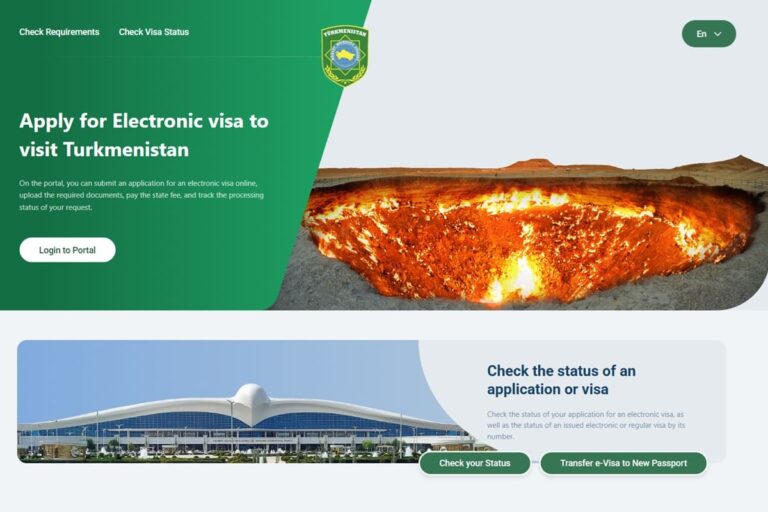
One day after officially launching its electronic visa system, Turkmenistan has unveiled its new e-Visa portal. The platform now provides details on available visa categories, required documents and processing times ranging from 24 hours to seven business days. For tourists, notably, no letter of invitation appears among the mandatory documents.


Turkmenistan launches e-Visa system on October 1, 2026

Turkmenistan launches e-Visa system on October 1, 2026

Long known for its highly restrictive entry procedures, Turkmenistan is beginning to simplify its requirements. As of October 1, 2026, the State Migration Service is officially rolling out its electronic visa, or e-Visa, system. A dedicated online application portal also appears to have been created, while foreign nationals can now complete registration procedures online.

Bangladesh: Technical issue disrupts visa processing at overseas missions

Bangladesh: Technical issue disrupts visa processing at overseas missions

Several Bangladeshi diplomatic missions are warning of ongoing disruptions affecting the processing and issuance of visas and “No Visa Required” (NVR) endorsements. The delays are linked to a technical issue affecting the central system operated by the Department of Immigration and Passports. The online visa application portal, however, remains accessible.

Thailand: THIM app officially launches after pilot phase

Thailand: THIM app officially launches after pilot phase

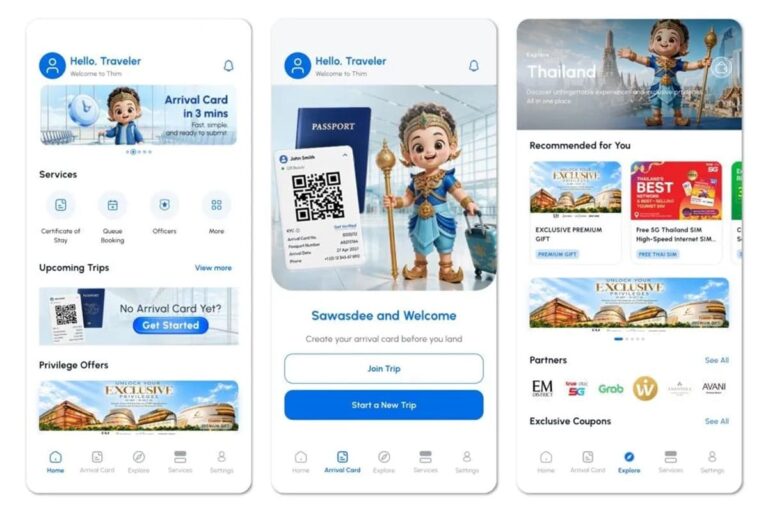
After several months of testing, Thailand’s Immigration Bureau has officially launched the THIM application. Already downloaded more than 600,000 times, the app provides access to the TDAC digital arrival card and is expected to gradually bring together several immigration services, including stay extensions, 90-day reporting and Visa on Arrival.

JESTA: What we know about Japan’s future electronic travel authorization

JESTA: What we know about Japan’s future electronic travel authorization

Japan is gradually preparing for the introduction of JESTA, its future electronic travel authorization system for certain visa-exempt travelers. Expected to launch during fiscal year 2028, the program is beginning to take shape: travelers should need a new authorization for each new entry, some visitors may no longer receive an entry stamp in their passport, and Japan’s tax-free shopping procedures will need to be adapted to this shift toward digital immigration records.

Syria: Foreign arrivals surge, but where does the e-Visa stand?

Syria: Foreign arrivals surge, but where does the e-Visa stand?

Syria is seeing a strong rebound in international arrivals, with 719,000 foreign visitors recorded in the first half of 2026. As Damascus looks to make the country easier to access and support the tourism recovery, the status of its e-Visa remains unclear: launched in 2024 before the change of government, the system is currently unavailable and its official portal simply says it is “coming soon”.

India launches e-Visa and ETA transfer service for new passports

India launches e-Visa and ETA transfer service for new passports

India has added a new service to its official e-Visa portal allowing travelers to transfer certain valid e-Visas to a new passport. Initial tests conducted by VisasNews show that the procedure is limited to one-year and five-year authorizations and is intended for cases where the previous passport has been lost, stolen, or was not returned to its holder.

Football and Formula 1: Azerbaijan eases visa rules for major sporting events

Football and Formula 1: Azerbaijan eases visa rules for major sporting events

Just days before the Formula 1 Azerbaijan Grand Prix and one month ahead of the FIFA U-15 World Cup & Festival 2026, Azerbaijan is temporarily relaxing its visa procedures. Depending on the event and subject to certain conditions, eligible travelers can obtain a visa upon arrival at the country’s international airports.

Nepal: App could let tourists travel without carrying their physical passport

Nepal: App could let tourists travel without carrying their physical passport

Nepal is preparing a system that would allow foreign visitors to use their phones for certain identity checks during their stay. Passport and visa information displayed in the immigration app could be accepted instead of the physical passport for some procedures, including hotel check-ins and domestic flights. The project is also designed to help authorities locate and assist travelers more quickly in an emergency, an issue brought into sharp focus by the devastating floods of August 26, 2026.

Laos temporarily extends e-Visa validity from 60 to 180 days

Laos temporarily extends e-Visa validity from 60 to 180 days

Lao authorities are temporarily granting a 180-day validity period for e-Visa approval letters, up from the usual 60 days. Approval notifications sent to travelers now explicitly mention the measure, which does not change the permitted length of stay in Laos, still limited to 30 days.

Thailand: 30-day visa-free stay can be extended by another 30 days

Thailand: 30-day visa-free stay can be extended by another 30 days

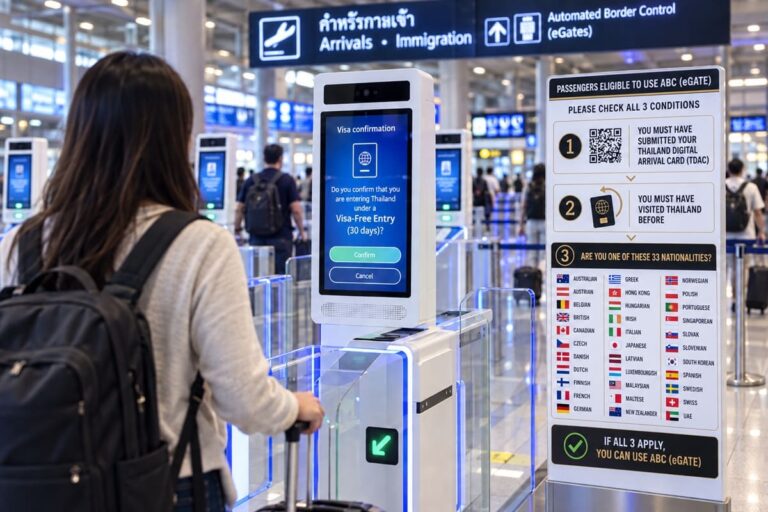
Since September 15, 2026, US, UK, Canadian and Australian travelers, along with nationals of 56 other countries and territories, are now limited to 30 days of visa-free entry for tourism in Thailand. Several official Thai sources now confirm that this period can be extended by up to another 30 days through immigration, potentially allowing travelers to stay for as long as 60 days without a visa.

Thailand introduces new visa-free and visa on arrival rules on September 15, 2026

Thailand introduces new visa-free and visa on arrival rules on September 15, 2026

Starting tomorrow, September 15, 2026, Thailand will end its 60-day visa exemption scheme. For US, UK, Australian and Canadian citizens, visa-free stays will be reduced to 30 days and limited to tourism. The reform also changes the list of visa-exempt nationalities, sharply reduces eligibility for Visa on Arrival, and will require nationals of 21 countries to obtain a visa before traveling.