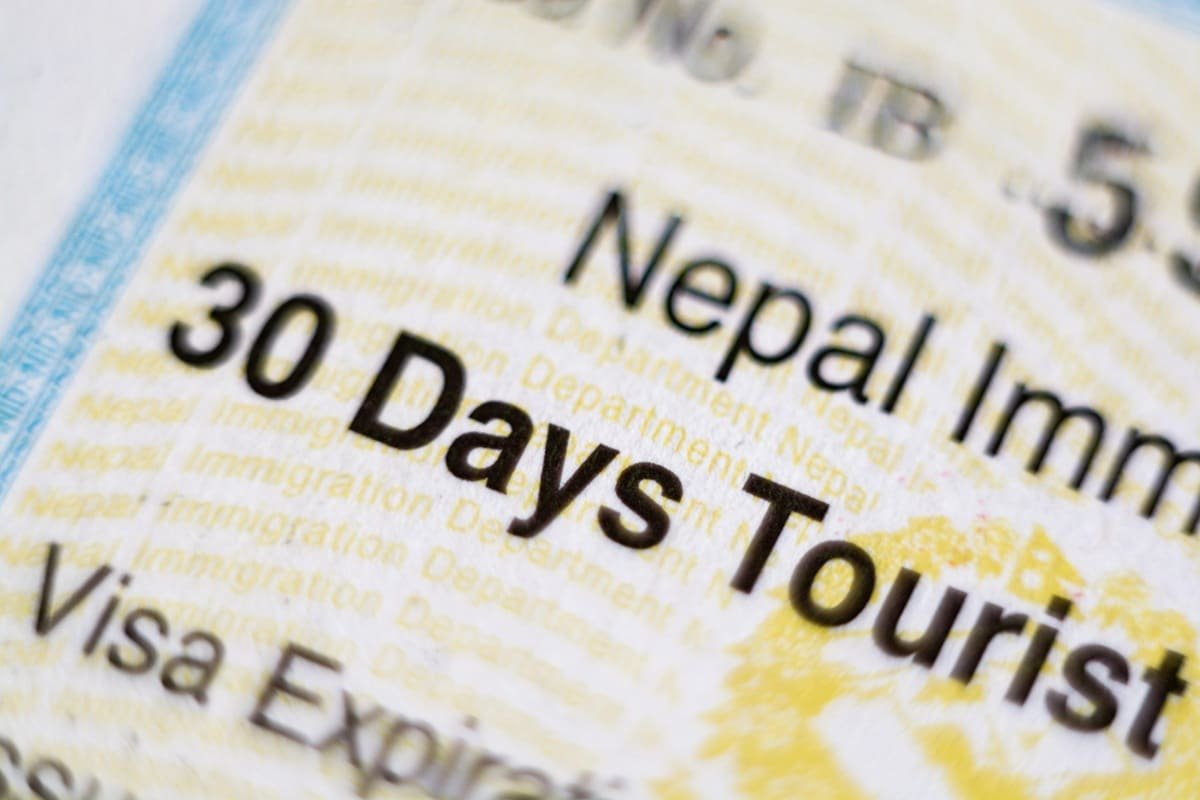
After recently updating its ETA procedure, which was tested by VisasNews, Nepal is now looking to simplify some of the formalities travelers face once they are in the country.
The Department of Immigration is proposing that foreign visitors be allowed to use its app for certain identity checks instead of having to present their original passport throughout their stay.
According to the Xinhua news agency, Department spokesman Tikaram Dhakal said on September 17, 2026, that a proposal had been submitted to the Ministry of Home Affairs the previous day for approval.
The system would apply to travel and administrative procedures within Nepal. The announcement does not mean travelers would be exempt from carrying a passport when crossing Nepal’s borders: the physical travel document would still be required to enter or leave Nepal.
Toward official recognition of digital passport and visa data
A day earlier, during a news conference in Kathmandu, Department of Immigration Director General Ramchandra Tiwari had outlined the proposal.
According to Nepalese national daily MyRepublica, which reported his comments, authorities want to give official legal recognition to digital passport and visa information displayed in the app.
The information could be used for hotel check-ins, security checks, currency exchange transactions and domestic air travel. Trekking agencies could also use it when handling formalities related to their clients’ trips.
Police would no longer systematically require travelers to produce their physical passport during a check once their information had been registered in the app.
The information entered by users would be linked to the Department of Immigration’s central database. The app would therefore do more than simply store a copy of a passport on a phone: it would allow the information shown by the traveler to be matched against official immigration records.
The Department also plans to allow foreign nationals to use the app for certain immigration procedures, including visa extension applications.
Part of a broader digital system for tracking foreign visitors
The project is part of a wider initiative already under way in Nepal through the Foreign Nationals Management Information System (FNMIS), the country’s national system for managing information on foreign nationals.
Rolled out in 2026, the FNMIS is designed to centralize information on foreign visitors from the visa process through their departure from the country. Hotels, airlines, travel and trekking agencies, currency exchange businesses and other service providers dealing with foreign visitors are expected to participate in the system and submit the required information.
According to Department of Immigration figures reported by Indo-Asian News Service (IANS) on September 18, 1,652 service providers are already participating in the system, and information on more than 180,000 foreign nationals has been registered.
The traveler-facing app would therefore become another link in this broader system. By connecting information entered by visitors directly to the immigration database, authorities hope both to reduce repeated requests for the original passport and to make information more readily available when a foreign national needs to be identified or located.
Recent floods highlighted the need to locate travelers quickly
The security dimension of the project has taken on particular importance following the devastating floods that struck Nepal on August 26, 2026, killing 1,403 people and leaving 6,150 others still missing.
Ramchandra Tiwari said several diplomatic missions had contacted Nepalese authorities after the disaster seeking help locating their nationals. According to his comments reported by MyRepublica, authorities had difficulty quickly determining the whereabouts of some foreign visitors when they could not be found in entry and exit records or in information submitted by accommodation providers.
Tikaram Dhakal also told the IANS agency that if all hotels and travel agencies had been participating in the FNMIS, authorities would have been in a better position to determine the whereabouts of foreign nationals reported missing after the August 26 floods.
By linking travelers, their accommodation providers and other service providers to the same database, the Department therefore hopes to make searches, rescue operations and communication with diplomatic missions more effective during natural disasters and other emergencies.
Making travel easier without repeated passport checks
The project’s other objective is more immediately relevant to travelers.
According to immigration officials, visitors can currently run into difficulties when they are not carrying their passport, for example after leaving it in a secure place at their hotel. In some situations, being unable to produce the document immediately can complicate an identity check or an administrative procedure.
The system would allow travelers to keep their passport in a safe place while carrying, on their phone, officially recognized information that could be used by organizations or authorities checking their identity or immigration status.
Help desks are also expected to be set up at international airports to assist visitors with downloading the app and registering their information.
Proposal still awaiting approval
The announcements from Nepal’s Department of Immigration nevertheless describe a system that is still under development.
The proposal has been submitted to the Ministry of Home Affairs, and no implementation date has yet been announced. The exact legal status of the information displayed in the app, the procedures service providers would use to verify it and the conditions governing use of the system have yet to be finalized.
Until the proposal is approved, travelers should continue to follow the rules currently in force and carry their physical passport whenever it may be required.
VisasNews Take
Nepal’s project does not, at this stage, amount to replacing the passport with a true digital travel document. Instead, it would give official recognition, for certain procedures carried out within the country, to passport and visa information linked to the immigration authorities’ database. A physical passport would still be required for crossing international borders. Beyond making travel more convenient, the project has another objective: giving authorities a clearer picture of foreign visitors’ whereabouts so they can identify and assist them more quickly in an emergency.