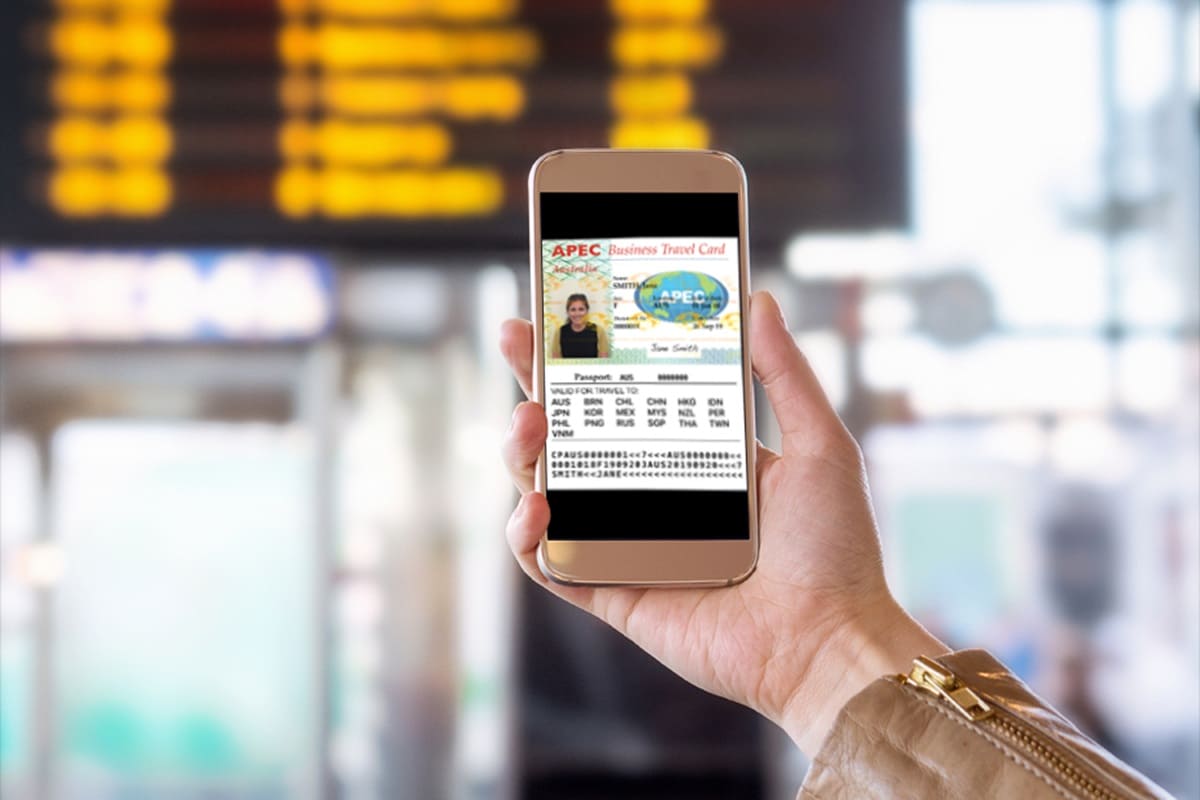
China, Hong Kong, Indonesia, the Philippines and Singapore have jointly announced that they will extend the maximum stay available to APEC Business Travel Card (ABTC) holders from 60 to 90 days.
The announcement was made during an APEC Business Mobility Group meeting held August 23–24, 2026, in Dalian, China.
The five economies have not yet set a common implementation date. Each will announce its own timeline for bringing the longer stay period into effect.
What is the APEC Business Travel Card?
Designed to make business travel easier across the Asia-Pacific region, the APEC Business Travel Card, or ABTC, is primarily intended for business travelers who frequently travel between member economies of the Asia-Pacific Economic Cooperation (APEC).
The system operates through a pre-clearance process. When a participating economy approves an ABTC holder, that traveler can enter for a short-term business visit without having to apply for a new visa or entry permit for each trip.
The card does not replace a passport. Travelers must still carry a valid travel document and remain subject to immigration checks and the entry requirements of their destination.
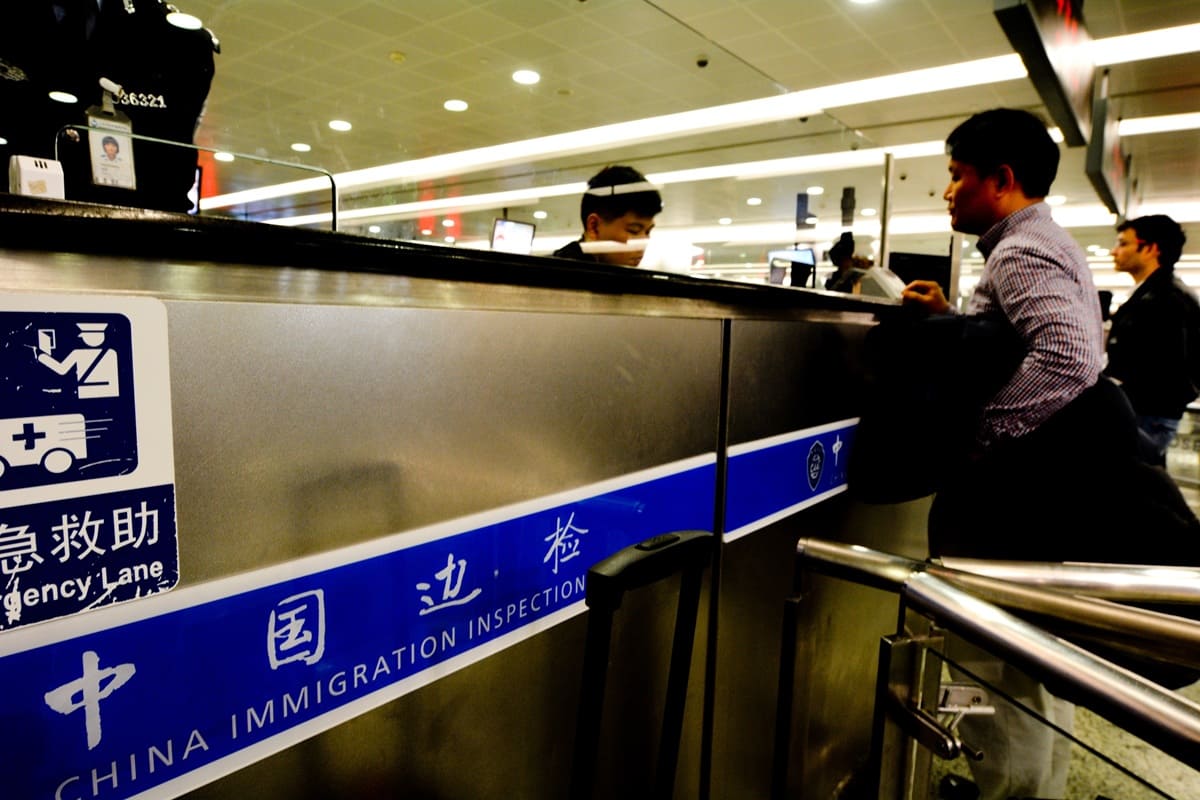
The ABTC also provides frequent travelers with another benefit: access to dedicated APEC lanes at major airports in participating economies, helping speed up immigration procedures on arrival and departure.
The card may be valid for up to five years, and each economy retains the right to set its own eligibility requirements. In general, it is intended for people who regularly travel within the region for business, as well as certain senior government officials. APEC provides additional information about eligibility requirements and the benefits of the program in its FAQ.
Nineteen economies fully participate in the program
Of the 21 APEC member economies, 19 fully participate in the ABTC program:
Australia, Brunei, Chile, China, Hong Kong, Indonesia, Japan, South Korea, Malaysia, Mexico, New Zealand, Papua New Guinea, Peru, the Philippines, Russia, Singapore, Taiwan, Thailand and Vietnam.
In these economies, cardholders who have received pre-clearance can benefit from the entry privileges associated with the ABTC. The economies that have approved a traveler are linked to that person’s card.
Canada and the United States have a different status. Both are transitional members of the program and offer certain benefits, including access to dedicated immigration lanes. However, neither participates in the reciprocal pre-clearance system.
As a result, ABTC holders traveling to Canada or the United States remain subject to the usual visa or travel authorization requirements.
Up to 90 days in China, Hong Kong, Indonesia, the Philippines and Singapore
The decision announced in Dalian concerns five destinations that have until now limited ABTC stays to 60 days per visit: China, Hong Kong, Indonesia, the Philippines and Singapore.
Once the new rules take effect, the maximum stay will increase to 90 days, bringing these economies more closely in line with other participants that already allow ABTC holders to remain for up to three months.
The extension does not change the purpose of the ABTC. The program is designed primarily for short-term business travel. The card is not a residence permit and does not give holders the right to take up local employment or settle permanently in a participating economy.
Nor does the card automatically entitle its holder to a 90-day stay throughout the APEC region. Entry conditions remain specific to each economy, and visa-free travel under the ABTC depends on the destination having granted pre-clearance to the individual traveler.
Each destination will set its own effective date
At this stage, China, Hong Kong, Indonesia, the Philippines and Singapore have agreed in principle to extend the maximum stay to 90 days, but no single implementation date has been announced.
China’s Ministry of Foreign Affairs says the timeline will be determined separately by each of the five economies. APEC Business Travel Card holders should therefore continue to follow the rules currently in effect for their destination until the relevant national or territorial authorities confirm that the 90-day stay has been implemented.
VisasNews Take
The move to 90-day stays announced by China, Hong Kong, Indonesia, the Philippines and Singapore will make travel easier for business travelers who regularly use the APEC Business Travel Card. It does not, however, amount to a new visa exemption for the general public. The ABTC is limited to travelers who meet the eligibility requirements set by participating economies, and visa-free use of the card depends on each holder receiving pre-clearance from the destination concerned. Most importantly, the change is not yet in effect across all five destinations, as each economy must still announce its own implementation date.