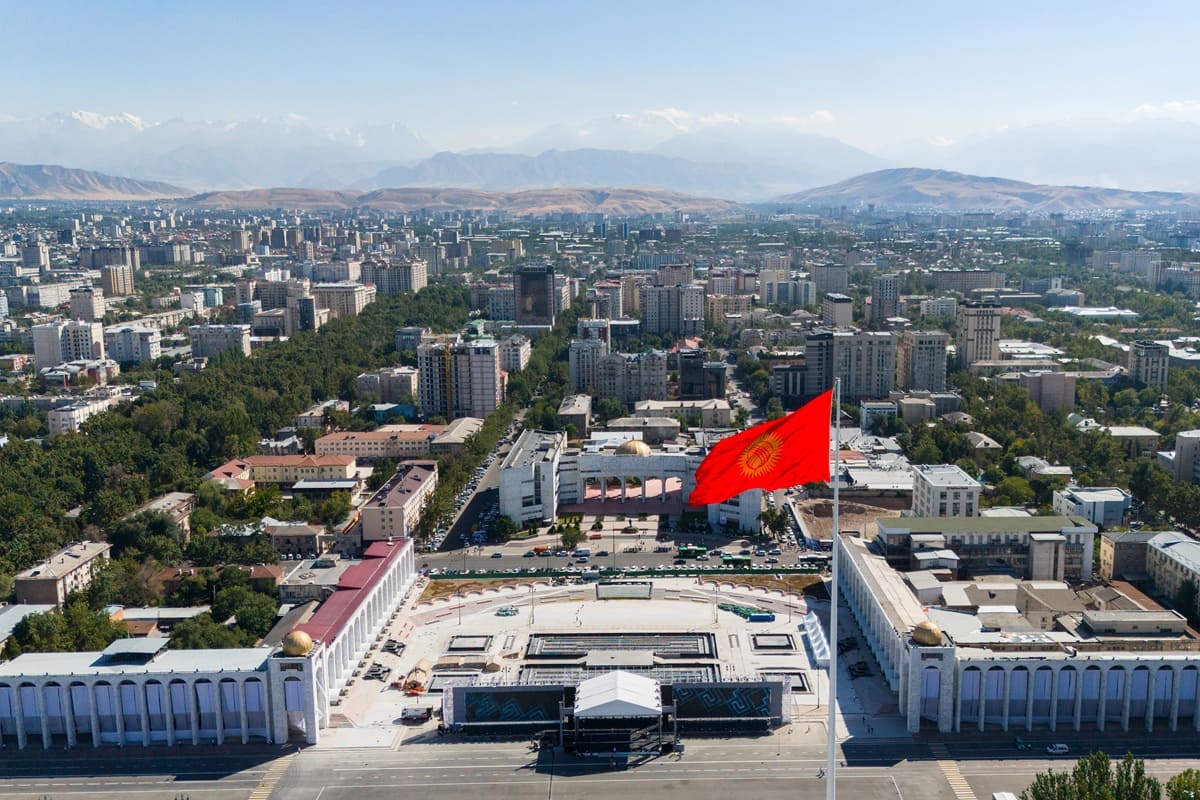
Plans for a single tourist visa allowing travelers to visit several Central Asian countries are back on the table.
On July 31, 2026, Kyrgyz President Sadyr Japarov once again promoted the initiative before regional leaders gathered in Cholpon-Ata, Kyrgyzstan.
Japarov said Kazakhstan and Uzbekistan now support the proposal. He also called on the countries’ foreign ministries to step up consultations and work toward a coordinated regional position.
The goal remains to allow foreign visitors to explore several Central Asian countries with a single visa instead of completing separate procedures for each destination.
Single-visa proposal returns to the Central Asian agenda
Japarov spoke during an informal consultative meeting of the heads of state of Central Asia and Azerbaijan, held from July 30 to August 1, 2026, in Cholpon-Ata, on the shores of Lake Issyk-Kul.
The meeting brought together the presidents of Kyrgyzstan, Kazakhstan, Uzbekistan, Tajikistan, Turkmenistan and Azerbaijan. Their discussions covered the development of regional trade, transportation, energy and tourism, among other issues.
In remarks reported by Kyrgyzstan’s national news agency Kabar, Japarov first highlighted the tourism assets the region’s countries could jointly promote to international visitors.
“The countries of Central Asia and Azerbaijan have a unique heritage to offer the world, including ancient cities, sites along the historic Silk Road, mountain and lake landscapes, national traditions and extensive cultural diversity,” Japarov said.
Against that backdrop, he again called for the creation of a common travel authorization for foreign nationals.
“Kyrgyzstan has taken the initiative to introduce a single tourist visa for foreign nationals traveling to the countries of Central Asia,” the president continued.
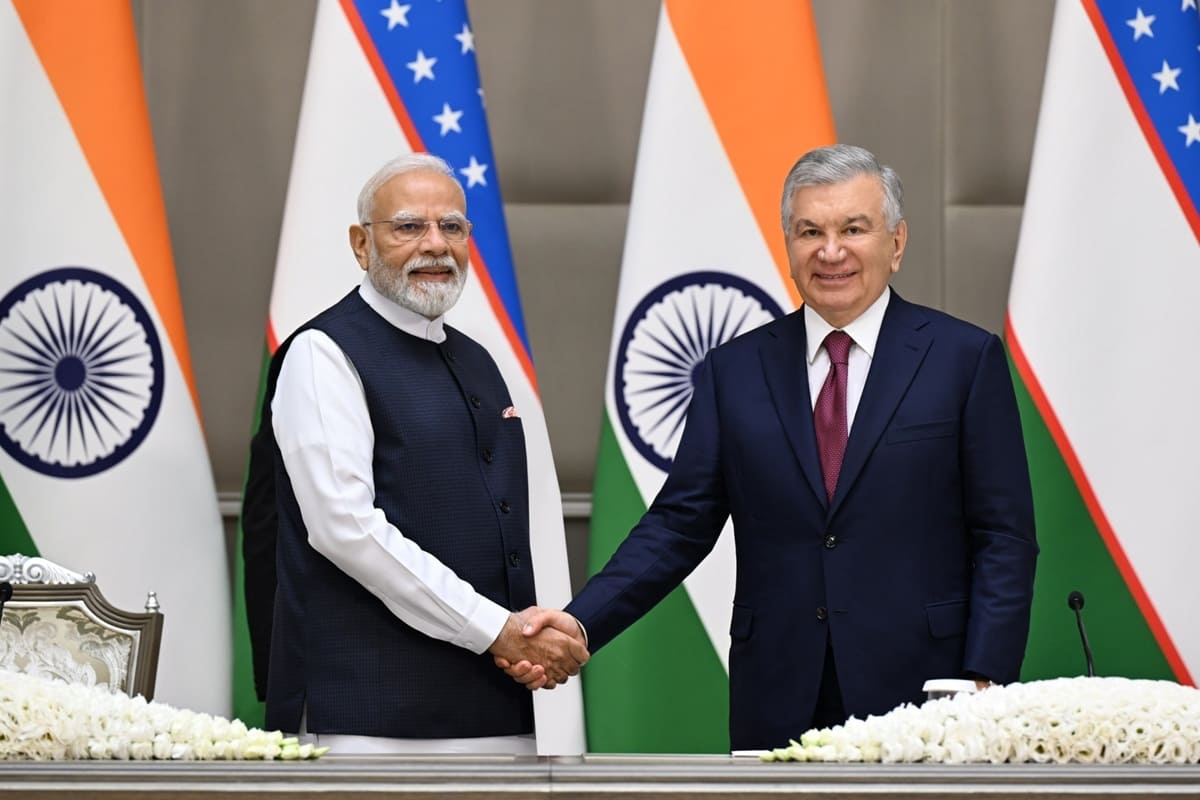
Japarov then identified Kazakhstan and Uzbekistan as the first regional supporters of the proposal.
“I would like to thank President of Uzbekistan Shavkat Mirziyoyev and President of Kazakhstan Kassym-Jomart Tokayev for supporting this initiative. I also hope to receive the support of the other heads of state in this effort.”
Foreign ministries asked to step up consultations
Beyond announcing this support, the Kyrgyz president proposed that the foreign ministries of the countries concerned intensify their consultations to reach coordinated positions.
This is the main development since the proposal was first put forward in 2025. The project is no longer being presented solely as a tourism ambition promoted by Kyrgyzstan, but as an issue that should now be addressed through diplomatic cooperation among the region’s governments.
It remains difficult, however, to assess how far the discussions have progressed. No information has been released on the possible creation of a working group, the preparation of a regional agreement or the development of a roadmap.
A proposal first put forward by Kyrgyzstan in 2025
Japarov had already proposed the creation of a common visa in March 2025.
The Kyrgyz president wanted foreign visitors to be able to travel through Kazakhstan, Kyrgyzstan, Uzbekistan, Tajikistan and Turkmenistan using a single authorization, under a system broadly comparable in principle to the Schengen visa.
The proposal emerged amid closer regional cooperation and efforts to develop multi-country tourism itineraries across Central Asia.
It also echoed the earlier “Silk Road Visa,” an initiative promoted by Kazakhstan and Uzbekistan beginning in 2018 that was never implemented.
Japarov’s latest statement shows that Kyrgyzstan has not abandoned the idea and is now seeking political support from all of its neighbors.
Visa policies still vary widely across the region
Creating a common visa would require the participating countries to reconcile entry policies that still differ significantly.
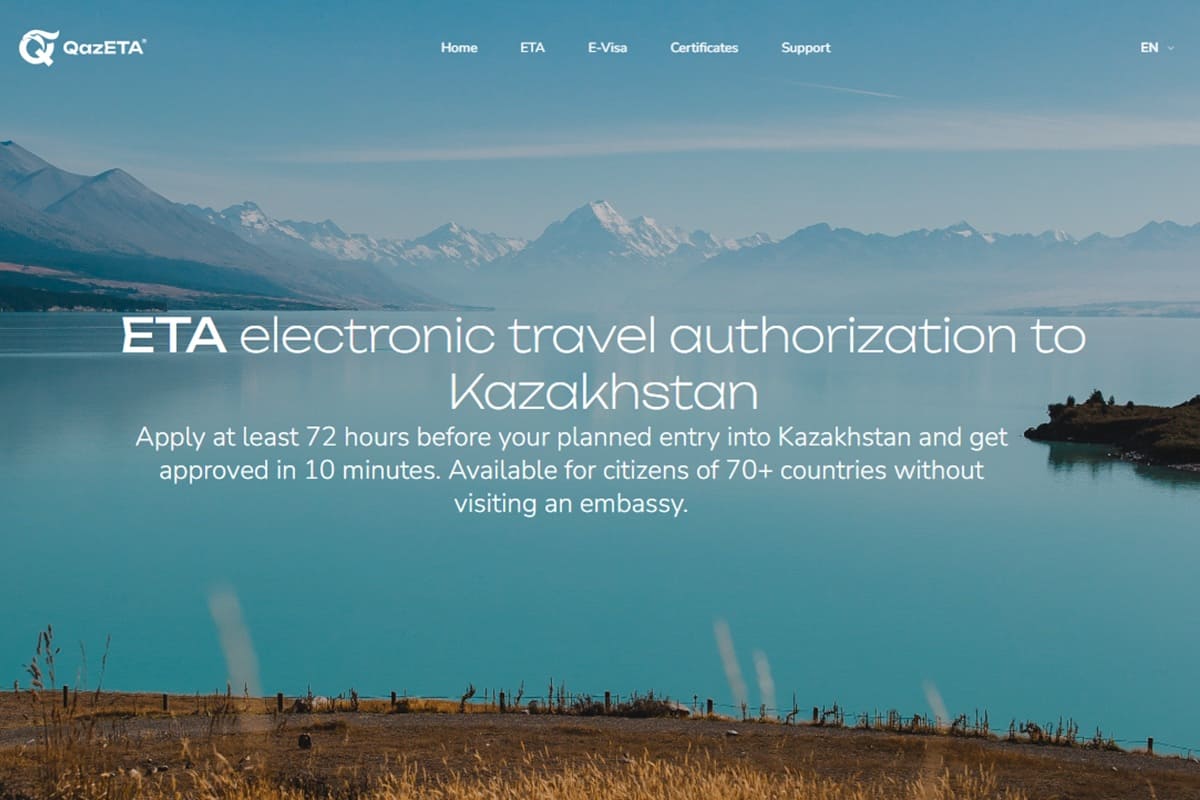
Kazakhstan, which is preparing its ETA via the QazETA portal, Kyrgyzstan and Uzbekistan allow visa-free entry for citizens of many countries. Tajikistan has also expanded its visa-free regime in recent years and, like those three countries, operates an electronic visa system.
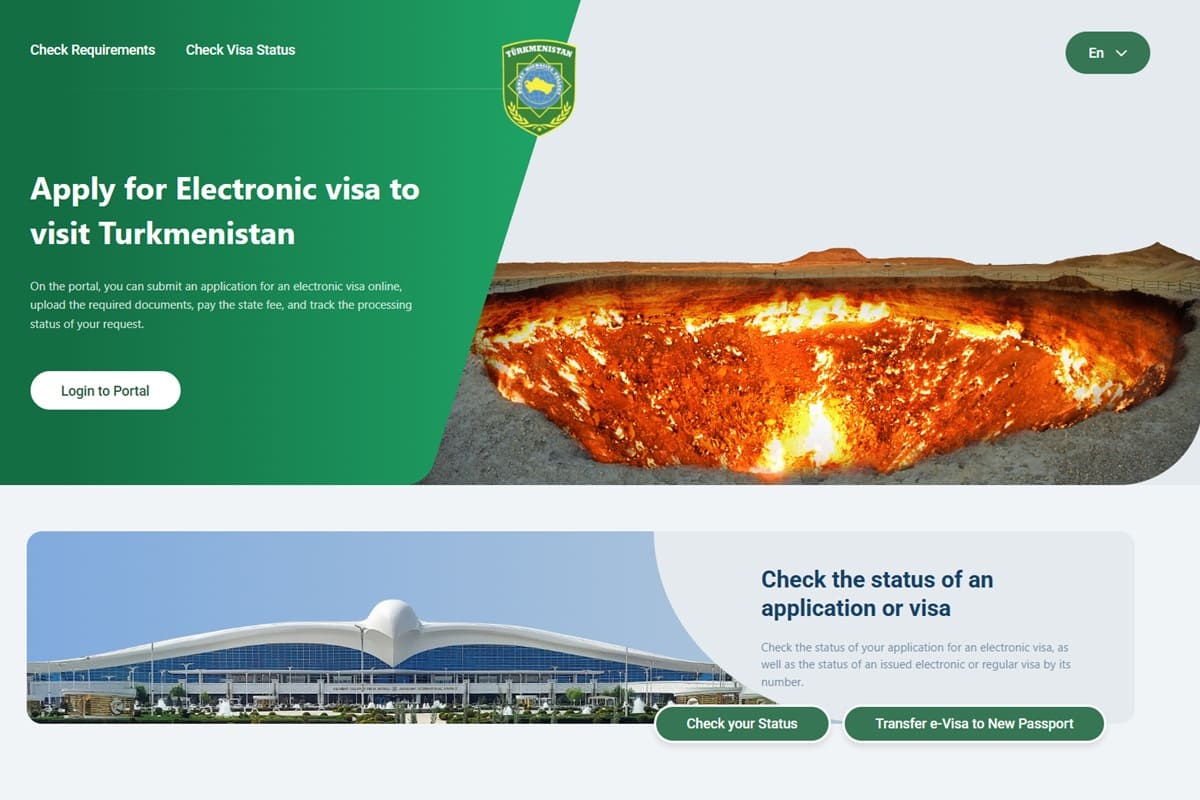
Turkmenistan, by contrast, maintains a considerably more restrictive entry policy and still requires most foreign visitors to obtain a visa. The country is preparing to introduce an e-Visa, which has been provided for in national legislation since April 2025, although its procedures and launch date have not yet been announced.
The participating governments would therefore need to agree on several key issues, including eligible nationalities, issuance requirements, data sharing, border controls and the mutual recognition of visas issued under the system.
They would also need to determine whether the visa would allow travelers to move freely between participating countries or merely simplify the application process while maintaining checks at each national border.
No launch timeline announced
No launch date has yet been announced.
The cost of the visa, its validity period, the number of permitted entries, the maximum length of stay and the application process also remain unknown. No common application portal, pilot program or regulatory framework has been presented.
The next consultative meeting of Central Asian leaders is scheduled to take place on October 8, 2026, in Avaza, Turkmenistan. Japarov has confirmed Kyrgyzstan’s participation, but there is currently no indication that the single-visa proposal will officially appear on the agenda.
Until the countries reach a common decision, travelers must continue to comply with the individual entry requirements of each Central Asian nation.
VisasNews Take
Sadyr Japarov’s latest statement gives fresh momentum to the single tourist visa project launched in 2025. The announced support of Kazakhstan and Uzbekistan, along with the call for more intensive diplomatic consultations, are encouraging signs. The proposal nevertheless remains at the political stage, with no agreement, application procedure or launch date yet announced. The participation of Tajikistan, and especially Turkmenistan, will be crucial if travelers are ever to visit all five “Stans” with a single authorization.