The Ebola Bundibugyo outbreak declared in the Democratic Republic of the Congo and Uganda is beginning to translate into concrete border measures.
In recent days, Thailand, South Korea, India and the United States have announced or implemented enhanced health screening, reporting requirements or targeted restrictions.
The measures vary from country to country, but they all focus on travelers who have recently stayed in countries where Ebola cases have been confirmed or are being monitored, mainly the DRC, Uganda and, depending on national rules, South Sudan.
On May 17, 2026, the World Health Organization declared that the Ebola virus disease outbreak caused by the Bundibugyo virus in the DRC and Uganda constituted a public health emergency of international concern. A few days earlier, WHO said the outbreak had been confirmed in Ituri, in eastern DRC, before imported cases were reported in Uganda. The organization notes that there is no licensed vaccine or specific treatment for the Bundibugyo virus, unlike the tools available for some other Ebola virus species.
WHO points to a high regional risk
In its latest statements, WHO has emphasized the risk of regional spread, particularly because of cross-border movements between eastern DRC, Uganda and neighboring countries. WHO Director-General Tedros Adhanom Ghebreyesus said on May 20 that the situation constituted an international emergency, but not a pandemic emergency. He also said the risk was considered high at the national and regional levels, but low globally.
That distinction matters for travelers. The recent announcements do not mean borders are closed to all travelers arriving from Central or East Africa. Rather, they reflect a ramp-up in health surveillance systems, with checks before departure or upon arrival, health forms, monitoring measures and, in some cases, targeted entry restrictions.
Thailand classifies the DRC and Uganda as infected areas
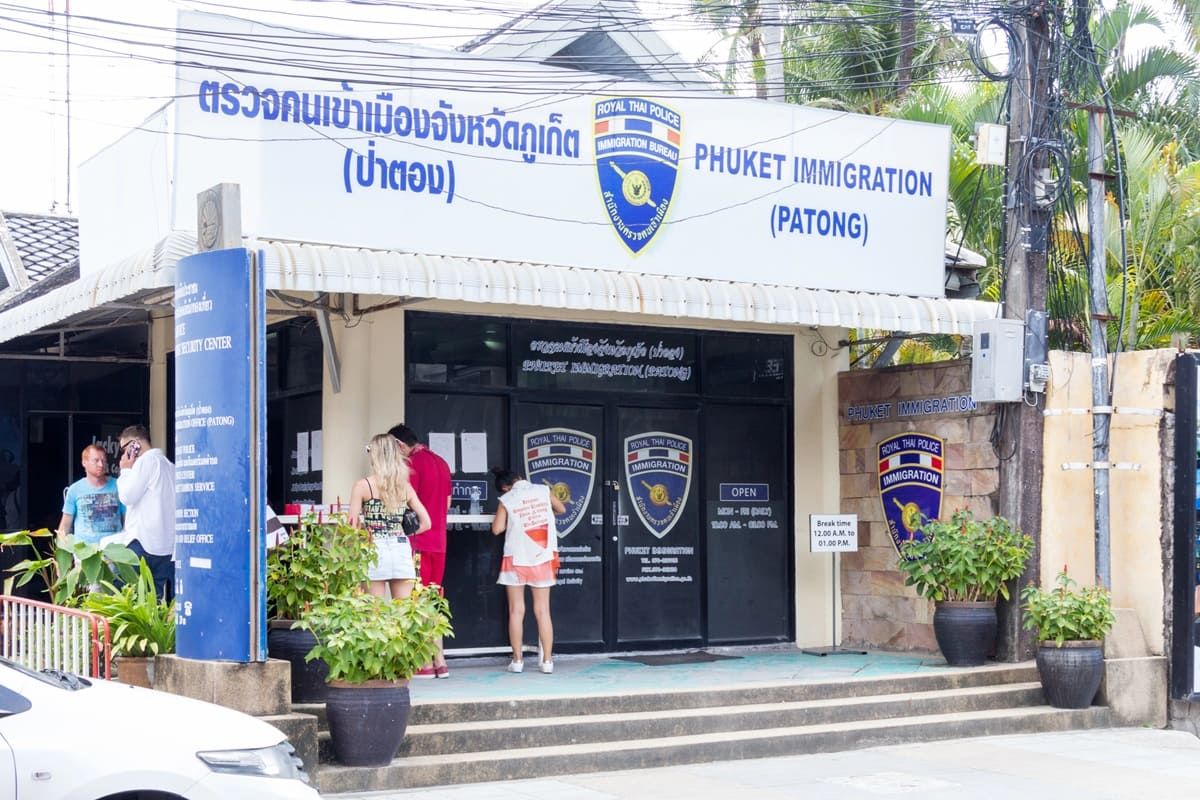
Thailand was among the first countries to formalize strengthened entry measures. The Thai Ministry of Public Health announced that the Democratic Republic of the Congo and Uganda had been classified as areas infected by a dangerous communicable disease, following WHO’s emergency declaration. The decision took effect on May 21, 2026.
Foreign travelers arriving from these areas must accurately complete the Thailand Digital Arrival Card, or TDAC, so health authorities can identify and contact the individuals concerned if necessary. Thai nationals, meanwhile, must register their information through the Thai Health Pass. Thai authorities also plan health checks on arrival, including verification of information, temperature screening and the possibility of follow-up by health services.
South Korea strengthens Q-CODE and quarantine checks
South Korea has also tightened its health procedures. The Korea Disease Control and Prevention Agency, or KDCA, is asking people who have stayed in or transited through an area subject to enhanced quarantine inspection to submit a declaration through Q-CODE or a health declaration form.
Under this alert, the DRC, Uganda and South Sudan are subject to heightened vigilance. Travelers arriving from these countries may therefore face additional health formalities upon arrival in South Korea, in addition to standard immigration checks. South Korea’s Ministry of Foreign Affairs has also raised its travel advisory level for Uganda and referred to tougher restrictions for certain areas of the DRC, including Ituri.
India asks affected passengers to report before immigration
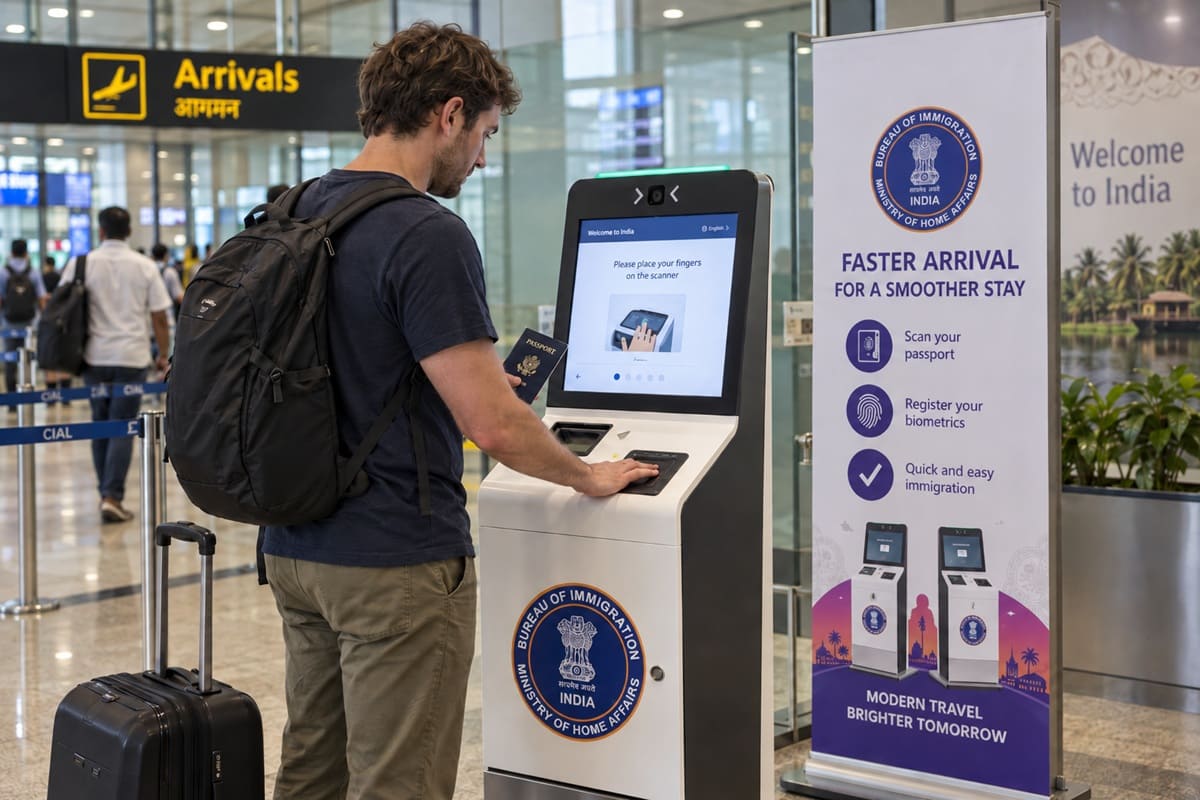
India has issued an official health advisory through the Directorate General of Health Services, which operates under the Ministry of Health and Family Welfare. The document applies to passengers arriving from, or transiting through, Ebola-affected countries, including the Democratic Republic of the Congo, Uganda and South Sudan, which are identified as high-risk countries based on WHO’s updated list.
Affected travelers must immediately report to the Airport Health Officer or health desk before clearing immigration if they have symptoms such as fever, weakness or fatigue, headache, muscle pain, vomiting, diarrhea, unexplained bleeding or sore throat. The same instruction applies to passengers who have had direct contact with the blood or bodily fluids of a suspected or confirmed Ebola patient.
India’s advisory also reminds travelers that anyone who develops these symptoms within 21 days of arrival should seek medical care immediately and inform health authorities of their travel history. Passengers are asked to cooperate with airport health checks and public health measures implemented under the International Health Regulations.
United States applies targeted entry restrictions
The United States has taken a more restrictive approach. The CDC says that, since May 18, 2026, enhanced screening, traveler monitoring and entry restriction measures have been applied to reduce the risk of Ebola virus disease being introduced into the United States. These restrictions apply to people who do not hold a U.S. passport and who have been in the DRC, Uganda or South Sudan during the previous 21 days.
The U.S. Department of State has also raised its travel advisory for the Democratic Republic of the Congo to Level 4, “Do Not Travel,” because of the Ebola Bundibugyo outbreak in Ituri province, in addition to the security risks already cited for the country.
What travelers should check
Travelers who have recently stayed in the DRC, Uganda or South Sudan should check the requirements of their destination country before departure. Depending on the country of arrival, they may need to complete a health form, report before immigration, declare their recent itinerary or undergo additional screening.
Affected travelers should also monitor themselves for symptoms consistent with Ebola for 21 days after arrival. In the event of fever, unusual fatigue, vomiting, diarrhea, muscle pain, headache, sore throat or unexplained bleeding, health authorities recommend seeking medical care promptly and reporting recent travel history.