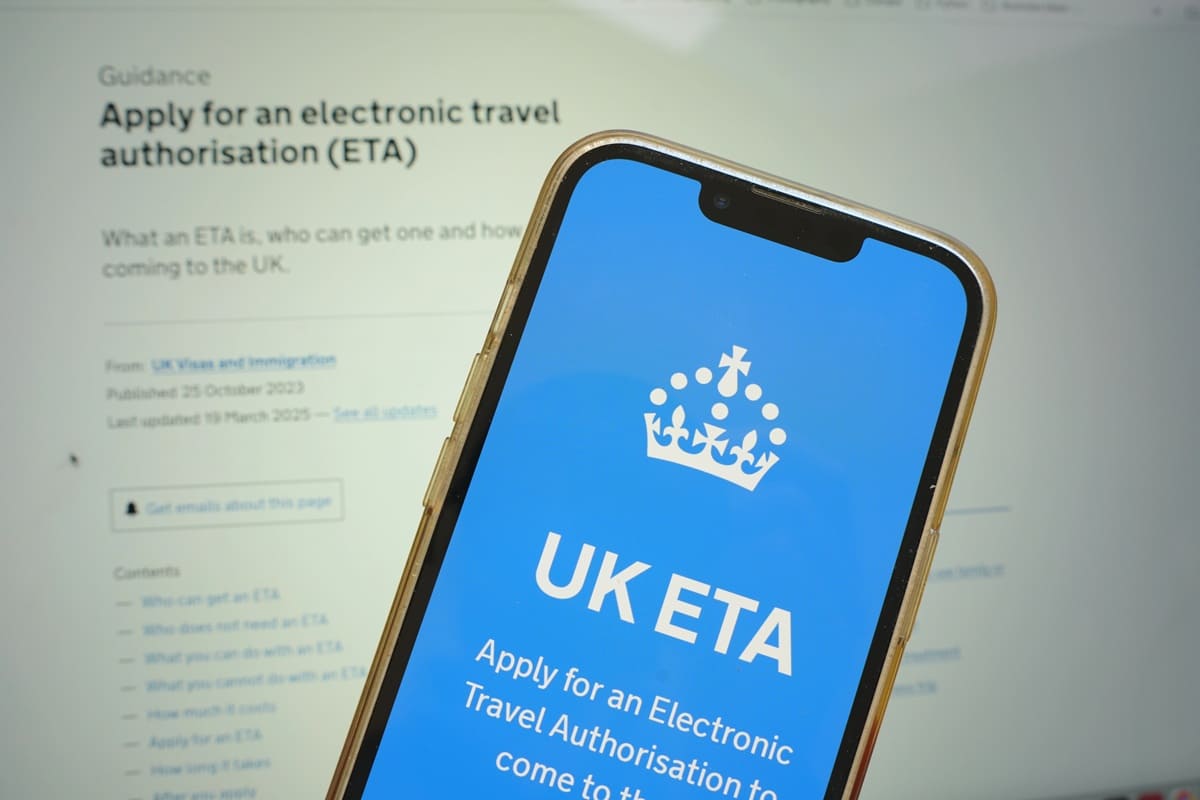
Will the price of the Electronic Travel Authorisation (ETA) required to travel to the United Kingdom soon increase? All signs suggest that the path toward a higher fee is now being set.
On March 3, 2026, the House of Lords reviewed the draft Immigration and Nationality (Fees) (Amendment) Order 2026, a regulatory measure intended to modify the legal caps on several immigration and nationality fees.
The motion to consider and approve the measure was adopted, allowing the parliamentary process to move forward.
Among the proposed changes is an increase in the maximum allowable fee for the Electronic Travel Authorisation (ETA), which would rise from £16 to £20, as previously reported by VisasNews.
This change does not immediately alter the price paid by travelers. Instead, it allows the UK government to raise the fee for the travel authorization at a later stage.
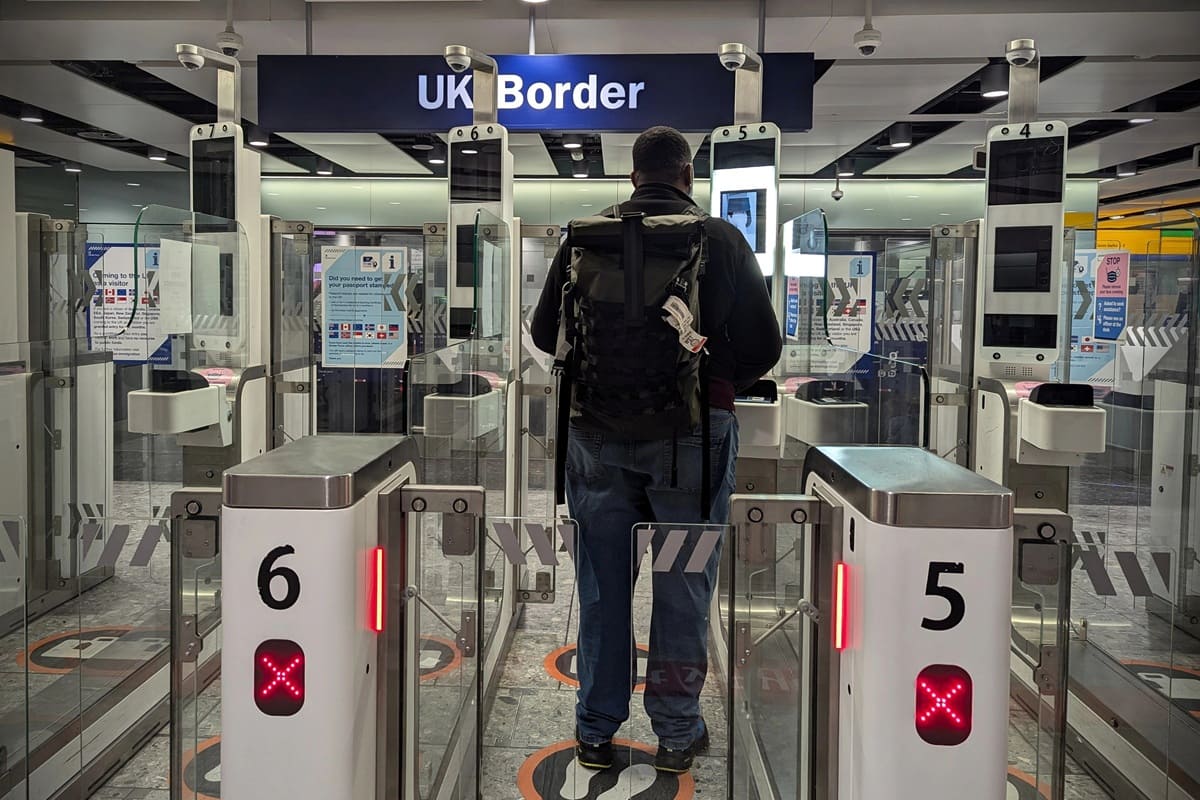
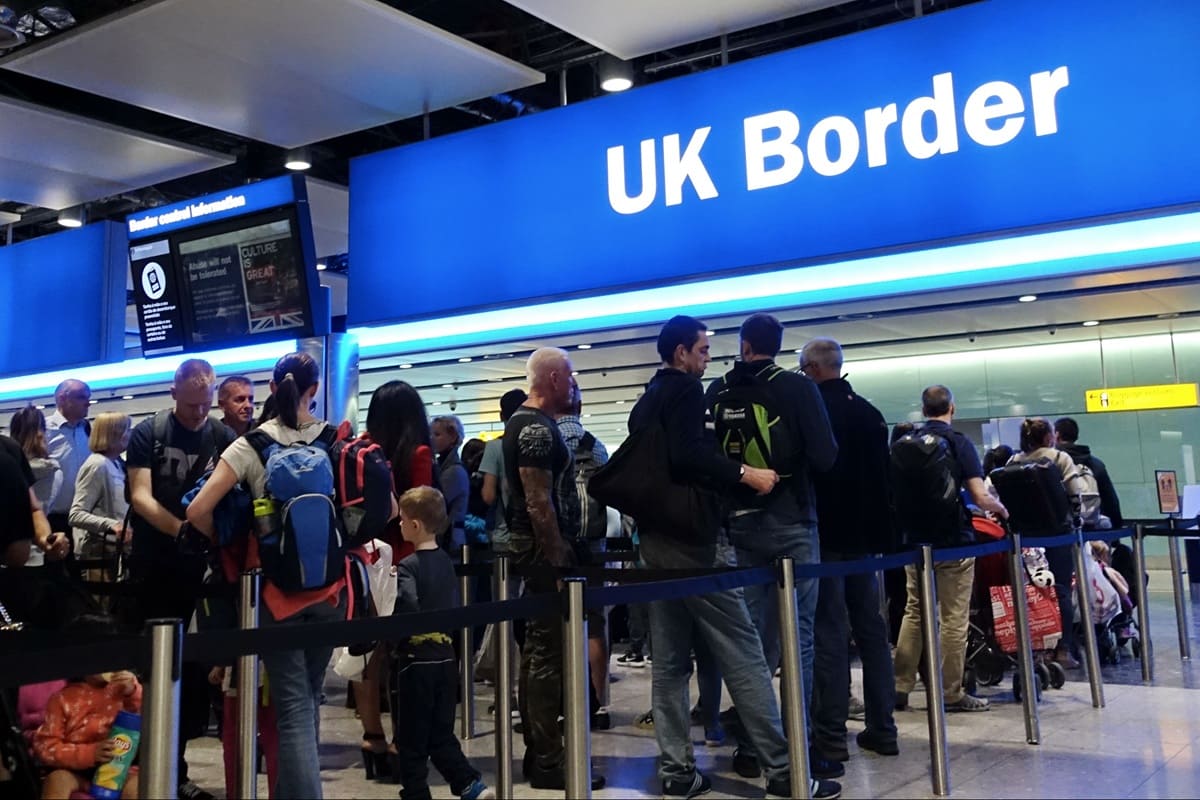
The development comes just as the United Kingdom has completed the full rollout of its ETA system, which has been fully applied since February 25, 2026, to most visa-exempt travelers visiting the country for short stays.
UK ETA fee increase: aligning with other travel authorization systems
During the parliamentary debate, Minister of State at the Home Office Lord Hanson of Flint explained that the increase is part of a broader effort to align the fee with similar travel authorization systems around the world.
“Moving from £16 to £20 will put us in line with the American fee and the pending European fee. In general terms, it is a reasonable amount of resource,” he told lawmakers, referring to the ESTA required to travel to the United States and the ETIAS that the European Union plans to introduce for visa-exempt travelers.
According to him, the amount remains reasonable for travelers and should not discourage international visitors from coming to the United Kingdom.
“I genuinely do not believe that a £20 fee is going to deter someone from visiting the great city of Belfast, the Mountains of Mourne or the Giant’s Causeway, or, in a wider UK context, from visiting London and seeing all the sites that we have here,” he added.
UK authorities also justify the proposed change as a way to help finance the immigration system and border controls.
Fees associated with visas, travel authorizations, and nationality procedures represent an important source of funding for the Home Office. As the minister emphasized, the revenue generated does not only cover the administrative cost of processing applications.
“Any income from the fees set above the costs of processing goes towards funding the wider immigration system,” Lord Hanson of Flint explained.
According to the government, this approach helps reduce the financial burden on taxpayers by requiring greater contributions from those who use the immigration system.
ETA fee increase still dependent on further legislative steps
The UK government has emphasized that the measure does not directly raise the fee paid by travelers.
The order reviewed by Parliament simply modifies the legal caps on certain fees, a preliminary step required before any potential increase. The actual fee would need to be set later through separate immigration and nationality fee regulations.
In practical terms, once the order receives final approval from both chambers of Parliament, the government will need to introduce a new regulation establishing the effective ETA fee, which could then be set at £20.
For the time being, the ETA fee therefore remains £16, although the adoption of this measure represents an important step toward a future increase.
Nicaragua and Saint Lucia removed from the ETA program
Alongside these pricing developments, the UK government announced on March 5 a significant change to its immigration policy: nationals of Nicaragua and Saint Lucia will soon no longer be able to travel to the United Kingdom using an ETA.
Both countries will be removed from the list of nationalities eligible for the system, and their citizens will instead be required to obtain a visitor visa before traveling.
The government justifies the decision by pointing to an increase in asylum claims filed by nationals of these two countries after arriving in the United Kingdom.
Between January 2022 and December 2025, 609 Nicaraguan nationals applied for asylum in the UK, including 505 who made their claims directly at the border. By the end of 2025, 261 Nicaraguans were receiving asylum-related support, the vast majority of them accommodated in housing provided by the Home Office.
Authorities also cited a rise in applications from Saint Lucia, with 360 asylum claims recorded between 2022 and 2025, including 128 filed upon arrival at UK ports. By the end of 2025, 222 Saint Lucian nationals were receiving asylum-related assistance.
In response to these developments, UK Home Secretary Shabana Mahmood adopted a firm tone.
I will not tolerate systematic abuse of Britain’s generosity by people granted the privilege of visa-free entry. From imposing visa requirements to shutting down visas entirely, I will do whatever it takes to restore order and control to our border.
Shabana Mahmood – UK Home Secretary – March 5, 2026
Transition period planned until mid-April
The government also highlighted the risks associated with citizenship-by-investment programs, particularly the one operated by Saint Lucia. According to London, the rapid growth of this scheme in recent years may have contributed to an increase in Saint Lucian passports being used to enter the United Kingdom to claim asylum or work illegally.
To avoid disruptions for travelers who have already planned their trips, UK authorities have introduced a six-week transition period.
Nationals of Nicaragua and Saint Lucia will still be able to travel to the United Kingdom without a visa until April 16, 2026, at 3:00 p.m. (BST), provided they hold a confirmed travel booking made before the introduction of the visa requirement and a valid ETA.
However, ETA applications for these two nationalities have been closed since March 5, 2026, at 3:00 p.m. GMT.
After the end of the transition period, affected travelers will be required to obtain a visitor visa before departure, including in certain cases of air transit through the United Kingdom.