The European Commission has unveiled a major dual initiative for the EU’s migration policy, presenting the first-ever European Asylum and Migration Management Strategy, alongside the EU’s very first Visa Strategy.
Closely linked, the two documents aim to provide the Union with a shared strategic framework to better manage migration flows, strengthen the security of its external borders, and adapt European tools to evolving geopolitical, economic, and security realities.
With this five-year strategy, the European Commission seeks to firmly anchor the Union’s migration policy in a long-term perspective. It builds on progress achieved in recent years, notably the strengthening of external borders, the development of partnerships with third countries, and the adoption of the Pact on Migration and Asylum, all of which have contributed to a steady decline in irregular arrivals.
As recalled by Henna Virkkunen, Executive Vice-President for Tech Sovereignty, Security and Democracy, “this strategy sets out a clear five-year political blueprint on migration,” building on “a strong foundation we have in place,” foremost among them the full implementation of the Pact starting in June.
The Commission advocates a balanced approach, combining firmness with respect for European values.
“On this basis, we are setting out our new way forward: A balanced migration policy,” Henna Virkkunen emphasized, specifying that the Union is pursuing three inseparable objectives: “preventing illegal migration, protecting those in need of protection, and attracting the talent Europe needs.”
Borders, partnerships, and system credibility
The strategy places cooperation with partner countries and migration diplomacy at the heart of European action. The objective is to act along migration routes well upstream of the Union’s borders, through comprehensive partnerships, coordinated use of policy levers, and enhanced operational support.
For Magnus Brunner, Commissioner for Internal Affairs and Migration, this marks a deliberate turning point: “This is the first time we present a comprehensive strategy that gives priority to reducing illegal migration.” This priority aims to “bring illegal arrivals to a minimum, and to keep them there,” which he sees as a necessary condition for maintaining public support and the credibility of the system.
Strengthening external borders remains a central pillar of this approach. “We are bringing our European house in order: with strong and secure external borders,” Magnus Brunner stated, recalling that irregular border crossings have fallen by 55% over the past two years.
At the same time, the Commission intends to improve the effectiveness of returns, as only about one quarter of return decisions are currently enforced. Henna Virkkunen stressed this challenge, noting that “citizens expect Europe to fight abuse, manage migration and deliver concrete solutions,” with the system’s credibility also hinging on its ability to enforce the rules.
Against the backdrop of worsening skills and labor shortages, the migration strategy gives a central role to legal mobility and talent attraction. The Union aims to become one of the world’s most attractive destinations for skilled professionals, researchers, students, and entrepreneurs.
Henna Virkkunen referred to “a paradigm shift,” recalling that “Europe faces serious skills and labour shortages” and that “addressing them is key for our economic growth and our competitiveness.” This direction is part of a more strategic approach to cooperation with partner countries, linking migration management with economic development.
A first European visa strategy
Complementing the migration strategy, the Commission is adopting the EU’s very first visa strategy. It aims to provide the Union with a more coherent and assertive framework to address growing mobility, security challenges, and global competition for talent.
For Henna Virkkunen, “visa policy is one of the key tools, at the intersection of security, diplomacy, and competitiveness,” to “defending Europe’s interests, and at the same time staying true to our values.”
The strategy calls for strengthening the visa-free travel framework, based on objective criteria and enhanced monitoring. Magnus Brunner summed up this logic with a striking image: “Visa-free travel to the EU is a privilege, not a given,” likening the system to “a traffic light,” where compliance with criteria determines access to visa-free travel.
The Union also intends to increase its leverage by more closely linking visa policy with cooperation on readmission, security, and the fight against irregular migration.
Visa digitalization and the rollout of ETIAS
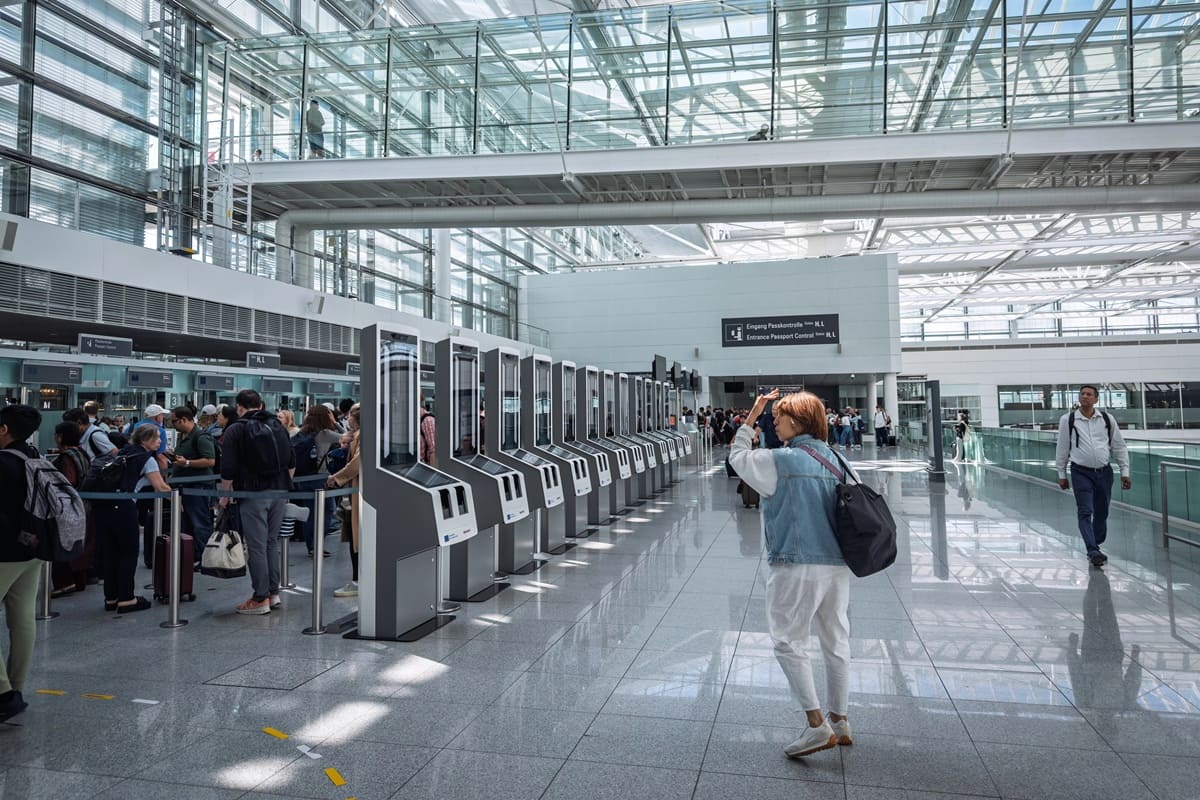
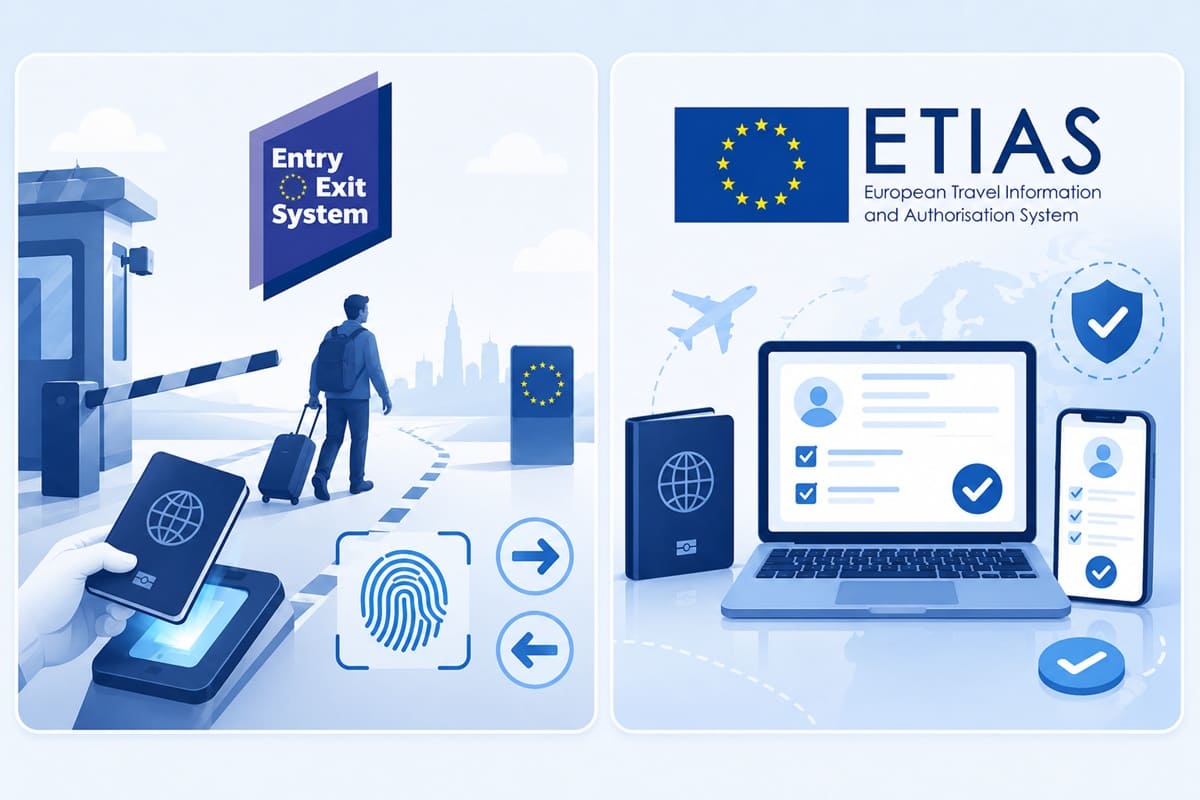
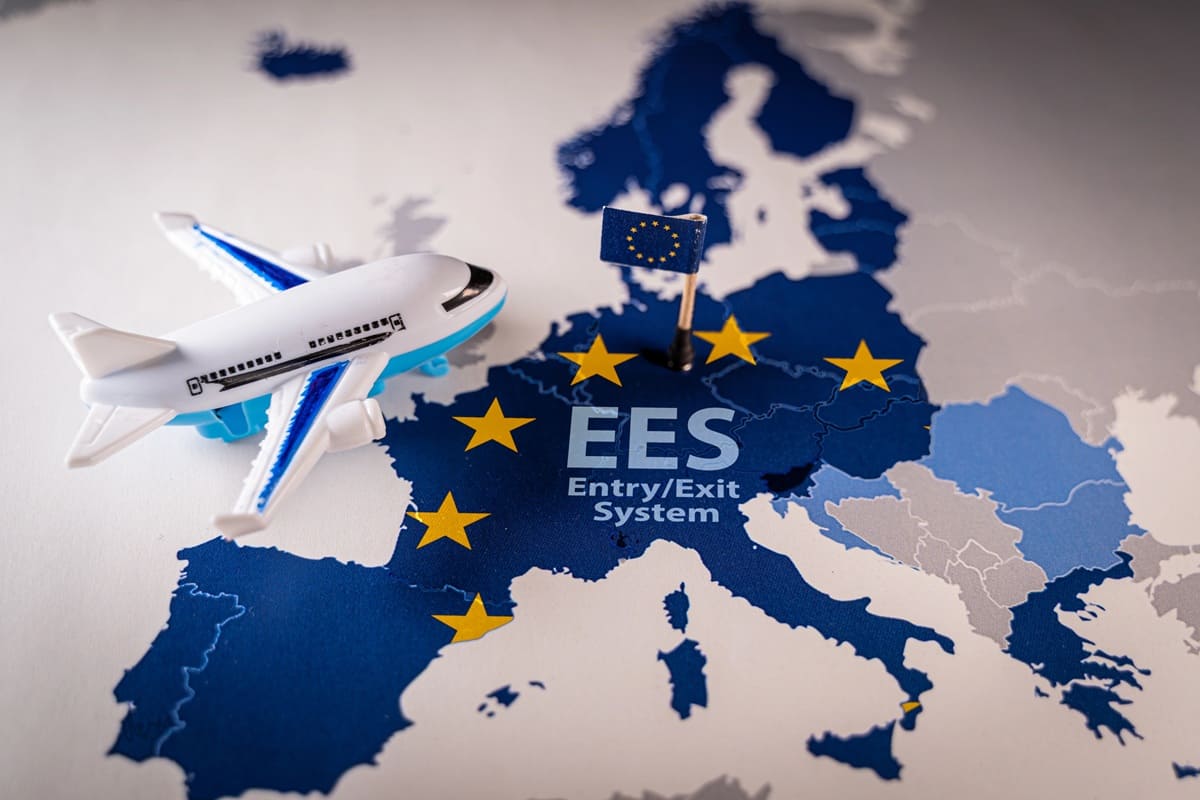
Digital transformation is one of the major pillars of the visa strategy. It forms part of the gradual deployment of a suite of European digital tools, including the Entry/Exit System (EES), designed to record and monitor crossings of the Schengen area’s external borders.
In this context, ETIAS will automate and facilitate pre-departure checks for visa-exempt travelers by the end of 2026, while full digitalization of visa procedures is planned by 2028.
Henna Virkkunen noted that “the strategy pushes for a fully digital, more efficient visa policy, with ETIAS this year and full digitalisation by 2028.”
Magnus Brunner added that “travelers expect a smooth experience. Digitalisation will be a game-changer,” stressing that “ETIAS will transform travel for visa-free visitors starting later this year.”
Both strategies fall under the framework of the Regulation on Asylum and Migration Management, which requires close coordination between national strategies and a long-term European approach.
They build on contributions from the European Parliament, Member States, EU agencies, and stakeholders, and will be supported by the strategic use of European funding under the 2028–2034 Multiannual Financial Framework, in full respect of fundamental rights and the Union’s international commitments.