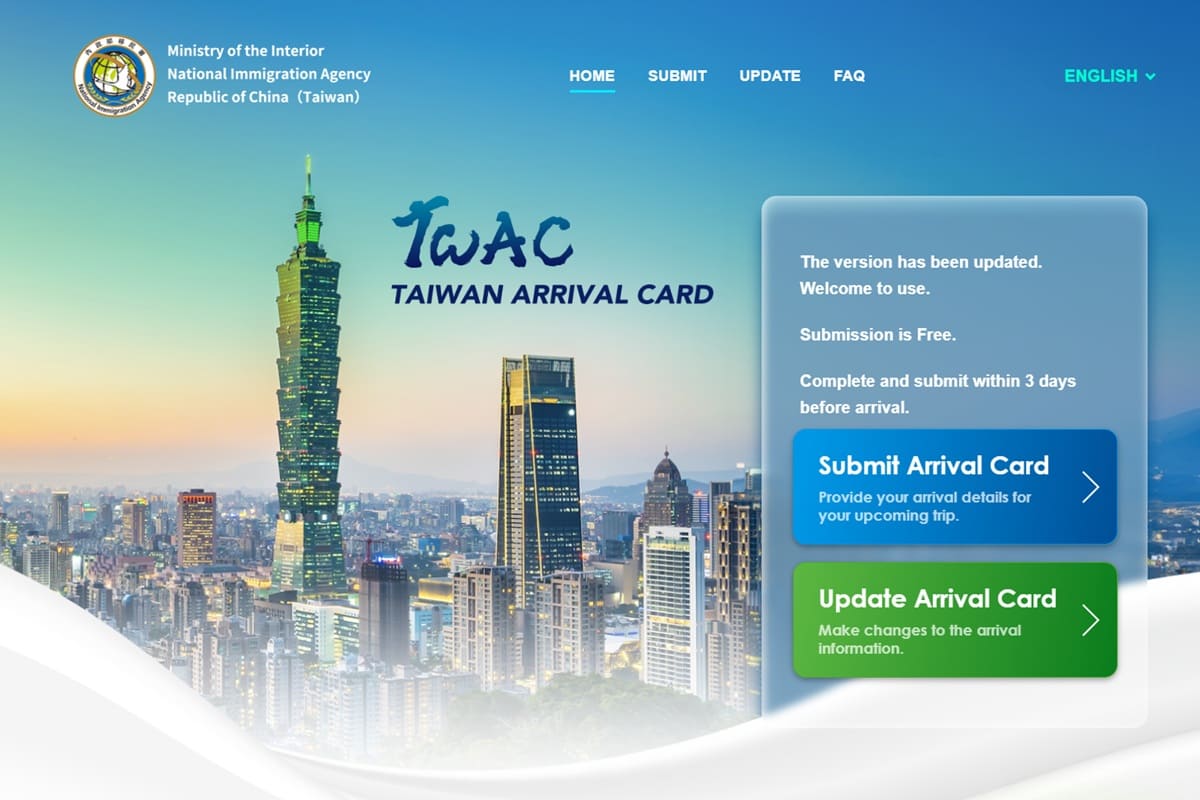
In recent years, travel formalities have undergone a profound transformation.
Long limited to paper visas pasted into passports and forms handed out on planes, they have largely gone digital with the rise of electronic visas (e-Visa), electronic travel authorizations (ETA), and more recently, digital arrival cards (e-Arrival Card). Driven by security concerns, traffic management, and the need for smoother border crossings, this shift has become the new standard.
The year 2026 will clearly continue this trend. Many countries will finalize or expand their digital systems, standardize online procedures, and gradually replace paper with electronic forms.
For travelers, this does not necessarily mean more constraints, but it does reflect a new reality: travel formalities are increasingly handled before departure, screen in hand, well ahead of passport control.
From the Americas to Asia, via Europe and the Middle East, here is a look at the main destinations that will change, or simplify, their entry rules in 2026.
ETIAS enters the scene in the European Union

After several delays, ETIAS (European Travel Information and Authorization System) is finally expected to launch in the last quarter of 2026. This authorization will apply to nationals of countries that are currently visa-exempt and wish to travel to the Schengen Area.
Costing €20, it will be valid for three years (or until the passport expires) and will allow tourist or business stays of up to 90 days within any 180-day period. The application process will be entirely online, with a fairly detailed form (personal information, travel history, security questions), but responses are generally expected within minutes or hours.
For the European Union, the goal is twofold: better anticipate migration flows while avoiding congestion at borders. For travelers, it mainly means one extra step, not to be forgotten before departure.
The UK makes its ETA mandatory
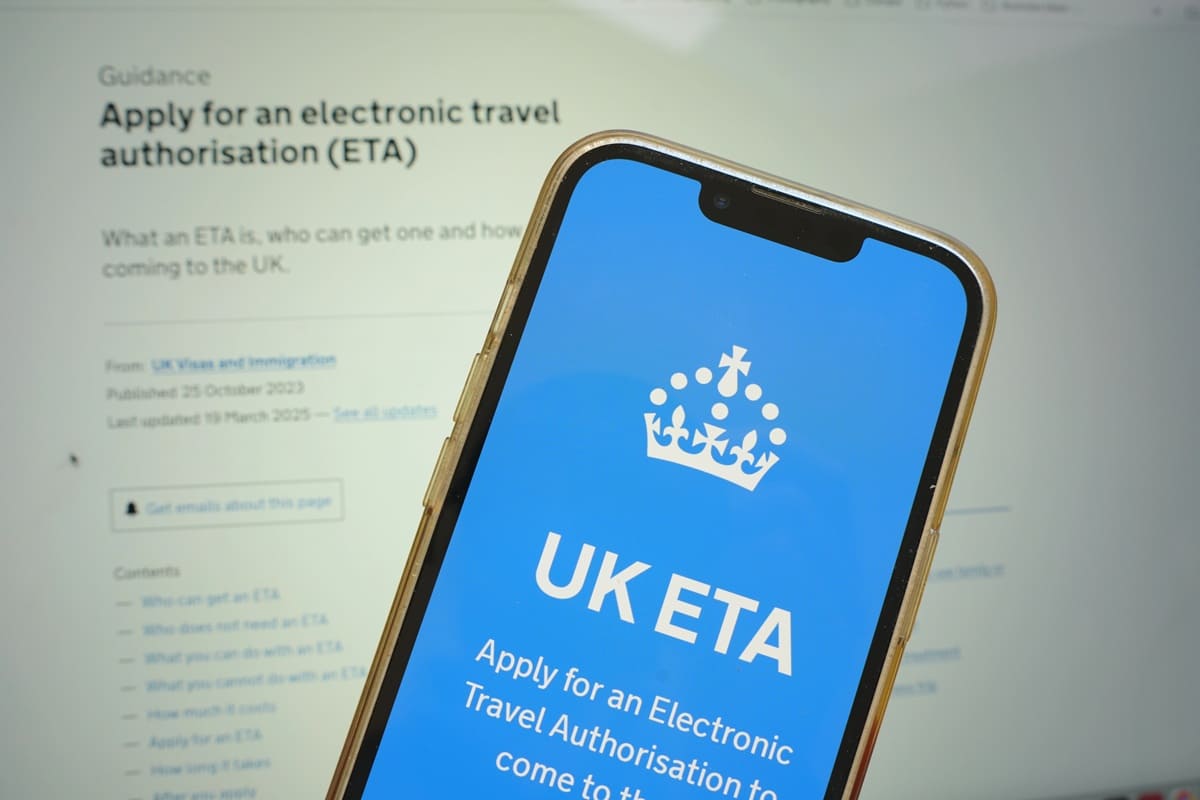
Since April 2025, the United Kingdom has fully rolled out its ETA (Electronic Travel Authorisation) system for visa-exempt travelers. Until now, a grace period allowed entry without prior authorization while the system was being phased in.
This transitional period will end soon: starting February 25, 2026, the ETA will become strictly mandatory. Priced at £16 (around US$22), the UK electronic travel authorization is valid for two years and allows multiple entries for short stays.
The ETA applies to 84 countries and territories, including European states, the United States, Canada, Australia, and Japan. It follows a logic similar to that of the European ETIAS: screening travelers before boarding, strengthening security, and automating checks.
ESTA set to become more demanding for travel to the US

In the United States, ESTA (Electronic System for Travel Authorization) may soon undergo a major transformation. U.S. Customs and Border Protection (CBP) has launched a 60-day public consultation on a series of changes aimed at strengthening identity verification and modernizing tools used by travelers under the Visa Waiver Program.
Among the options being considered is a gradual shift to a mobile-only process, with applications no longer submitted via the website and instead handled exclusively through the official “ESTA Mobile” app. This app is considered more reliable thanks to NFC passport reading, facial recognition, and selfie-based liveness detection. CBP also plans to make it mandatory to declare social media identifiers used over the past five years, as part of broader federal security measures.
Another notable change would be a significant expansion of the data collected, including historical digital contact information, family details, and additional biometric data, to better detect fraud and identity theft.
While these measures have not yet been finalized, they clearly point to one trend: entering the United States will involve an ESTA process that is more central, more digital, and more demanding.
China extends its visa-free policy

The decision was widely expected given the success of the program. China has confirmed the extension, until December 31, 2026, of its unilateral 30-day visa-free policy for nationals of 45 countries and territories.
Introduced just two years ago to support the recovery of tourism and business travel, the measure has contributed to a noticeable increase in international arrivals. Its extension reflects the ongoing recovery of tourism and economic exchanges, while maintaining a controlled framework for short stays.
For eligible travelers, this continuity mainly provides clarity and simplified procedures, at a time when travel formalities are evolving rapidly elsewhere in the world.
South Korea: K-ETA remains optional

Introduced in September 2021 in the aftermath of the health crisis, K-ETA (Korea Electronic Travel Authorization) is an electronic travel authorization system designed to better regulate the entry of visa-exempt travelers to South Korea.
Although it was quickly rolled out, it became optional for certain nationalities starting in April 2023, when authorities introduced an initial exemption period valid until December 31, 2024.
Given the positive impact of this measure on tourism recovery, the exemption was first extended until December 31, 2025, and then further extended until December 31, 2026.
Nationals of the 67 countries and territories covered by this temporary exemption can therefore continue to enter South Korea without prior electronic authorization, as long as they comply with the permitted length of stay.
Mongolia extends its visa exemption at the last minute

The announcement has just been made, and it was eagerly awaited.
Mongolia has today confirmed the extension for one year, until January 1, 2027, of its visa exemption policy for nationals of 34 countries, initially introduced on a temporary basis in 2023.
This measure, which was due to expire on December 31, 2025, allows 30-day tourist stays without a visa and applies to visitors from 32 European countries, as well as Australia and New Zealand.
As part of the Visit Mongolia Year program, the country has also extended the visa exemption granted to South Korean nationals for stays of up to 90 days until December 31, 2026.
A unified tourist visa for the Gulf

One of the most ambitious and anticipated projects is the unified tourist visa for member states of the Gulf Cooperation Council (GCC), often compared to a “Gulf Schengen.”
The idea is simple: allow visitors to travel to multiple Gulf countries with a single authorization, instead of having to obtain a separate visa for each one.
Approved as early as November 2023 by the authorities of the six member states, Bahrain, Kuwait, Oman, Qatar, Saudi Arabia, and the United Arab Emirates, this “GCC Grand Tours Visa” was initially expected to launch by the end of 2025, with a pilot phase planned for the fourth quarter of 2025.
However, full implementation has been slightly delayed. Authorities have announced that the effective launch is now expected in 2026, following a series of technical efforts and coordination between the immigration and security systems of the six countries.
Digital arrival cards replace paper
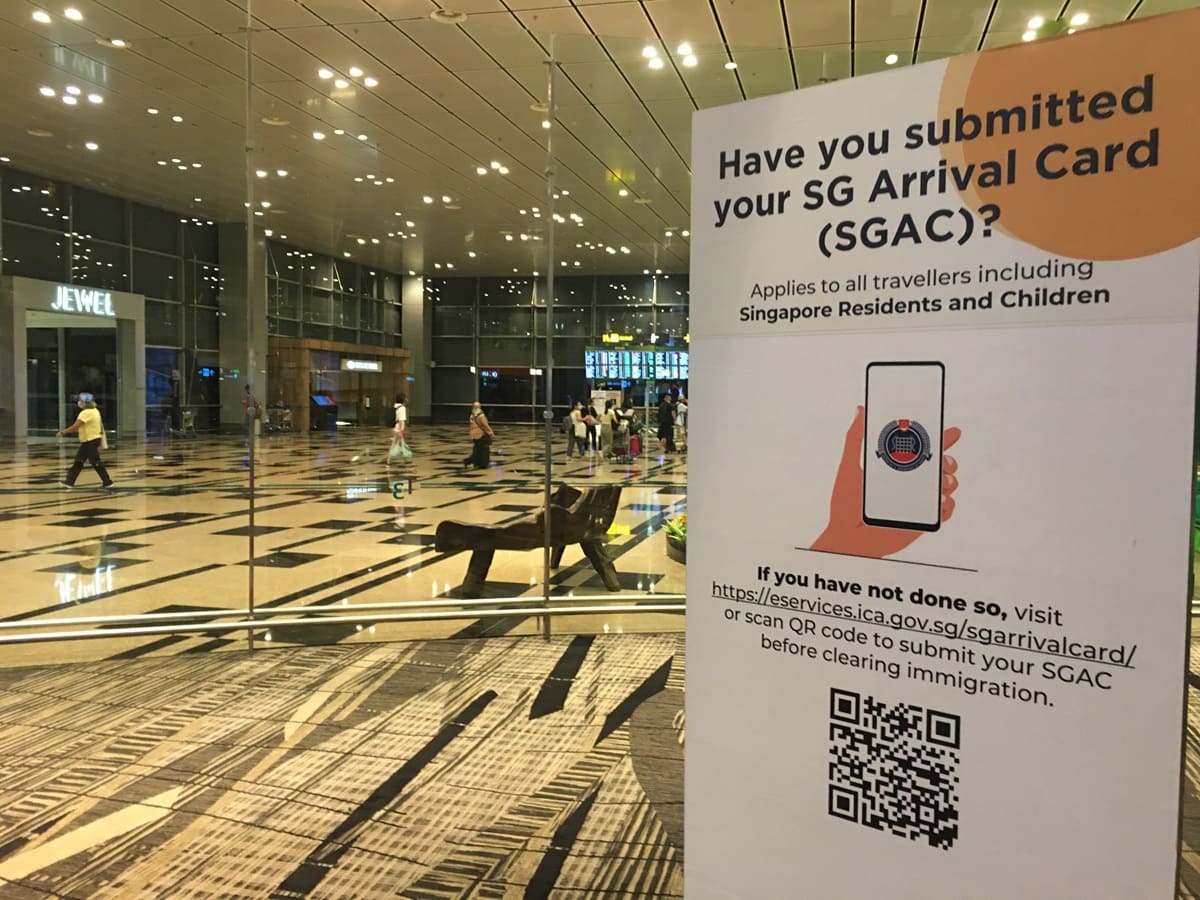
Another major trend to watch in 2026 is the gradual disappearance of paper arrival cards, replaced by digital declaration systems to be completed before travel or upon arrival at the destination.
Singapore, China, India, Indonesia, and South Korea have already introduced or widely adopted e-Arrival Card systems.
The goal is to speed up immigration checks, improve data reliability, and reduce manual processing of forms. For travelers, this often means completing an online form or using an app, sometimes within 72 hours prior to arrival.
In 2026, digital arrival cards are expected to become the norm in many destinations, in Asia and beyond, definitively relegating the small paper form handed out on planes to the status of a travel souvenir.
These destinations may also adjust their travel rules

Finally, several destinations are actively working on new entry policies:
- Georgia will require tourists to have insurance starting January 1, 2026,
- Senegal is considering reinstating visas on a reciprocal basis,
- Ghana plans to launch an e-Visa as early as the first quarter of 2026,
- Sri Lanka may introduce a free visa for around 40 countries by January 2026, following several announcements that have yet to materialize,
- Mauritius is preparing an electronic travel authorization aimed at modernizing and securing its borders without discouraging tourists.
This list is far from exhaustive, and other destinations are also expected to adjust their travel formalities in 2026, depending on national priorities, security concerns, and tourism strategies.
In 2026, traveling will not necessarily be more complicated, but it will certainly be more digital and more planned in advance. Between electronic authorizations, paperless arrival cards, and constantly evolving rules, the traveler’s best asset will remain information, ideally checked before even clicking “book.”
Until then, the VisasNews editorial team wishes travelers a wonderful year 2026, filled with journeys, discoveries… and smoothly managed formalities.