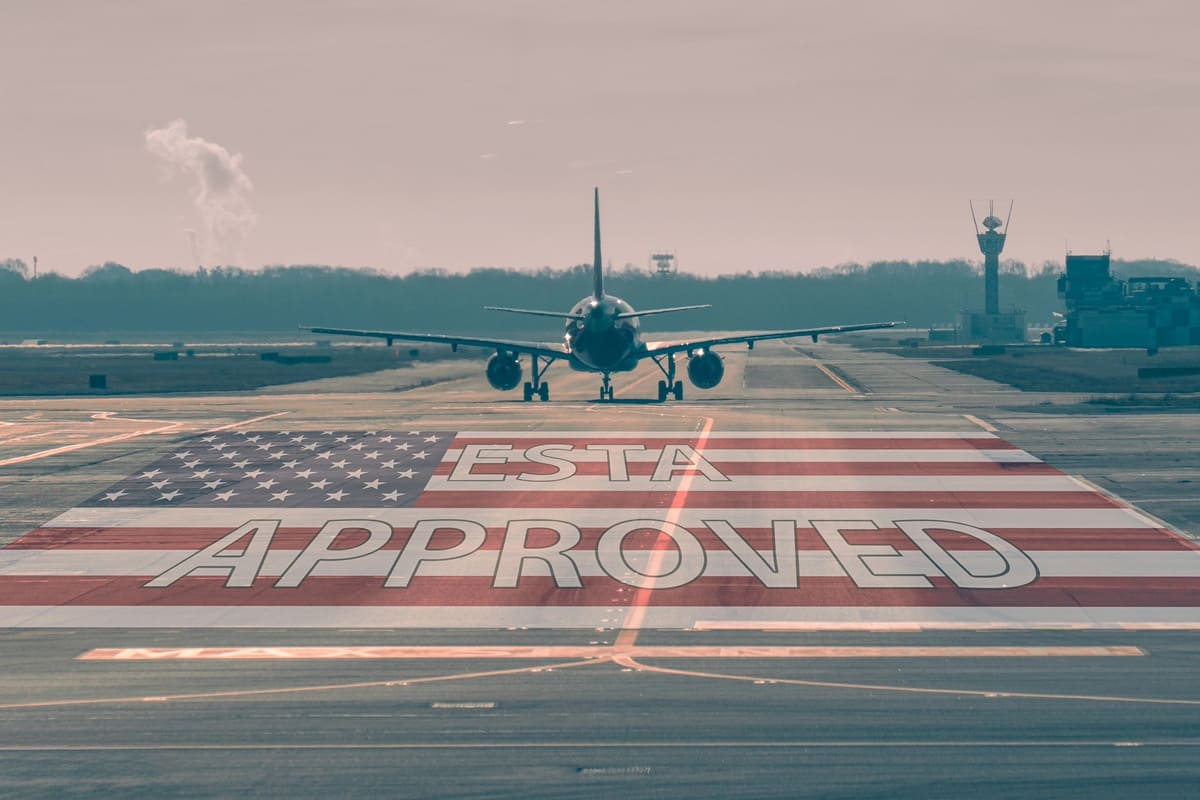
U.S. authorities are considering changes to the ESTA visa waiver program, which allows citizens of 42 countries to travel to the United States without a visa for short stays.
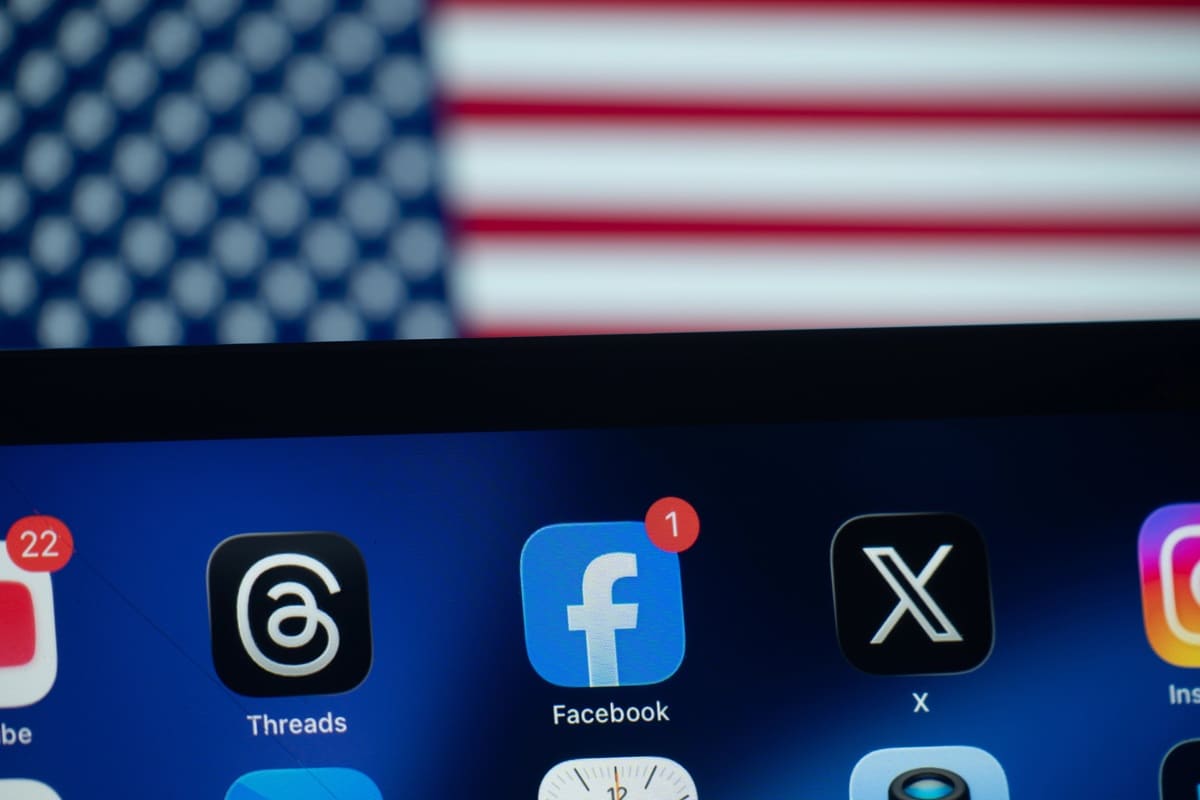
The proposal would require travelers to provide information about the social media platforms they have used over the past five years, in addition to other personal data already requested.
While presented as a measure to strengthen border security, the proposed changes are causing significant concern within the travel industry, which fears damage to the United States’ image among international visitors.
WTTC survey finds proposed ESTA changes already well known among travelers
To assess the potential impact of the reform, the World Travel & Tourism Council (WTTC), which represents leading global tourism stakeholders, commissioned a survey of 4,563 frequent international travelers.
Respondents came from countries including Australia, France, Germany, Japan, South Korea, and the United Kingdom, all of which participate in the ESTA program.
Nearly two-thirds of those surveyed said they were already aware of the proposed policy, indicating that the debate has moved well beyond industry professionals and institutions. This high level of awareness suggests that the measure could quickly affect travel intentions if implemented.
Survey results show that a large share of travelers view the proposal as intrusive. Many believe it would make the United States feel less welcoming and less attractive, both for leisure travel and for business trips.
Approximately 34% of respondents said they would be less likely to visit the United States over the next two to three years if mandatory social media data collection were introduced.
By contrast, only a small minority said the measure would make them more inclined to travel to the country.
Losses estimated in the billions of dollars
Beyond traveler sentiment, the WTTC combined its survey with detailed economic modeling.
According to its estimates, a potential decline in international arrivals could result in up to $15.7 billion in lost tourism spending.
Under one scenario, the United States could see as many as 4.7 million fewer international arrivals as early as 2026, a 23% drop in visitors from ESTA-eligible countries. A contraction of this scale would have a direct impact on employment, with more than 150,000 jobs across the tourism value chain potentially affected.
“Security at the US border is vital, but the planned policy changes will damage job creation, which the US administration values so much,” said Gloria Guevara, President and CEO of the WTTC, noting that the travel sector is particularly sensitive to perceptions and trust.
“Even modest shifts in visitor behaviour, discouraged by the planned changes, will have real economic consequences for US travel and tourism, particularly in a highly competitive global market,” she added.
A tourism landscape already under pressure in the United States
This warning comes at a time when inbound tourism to the United States has not yet returned to pre-pandemic levels, unlike many competing destinations.
For a majority of travelers surveyed, the proposed requirements appear more burdensome than those in place in other major tourism regions.
“The travelers affected have other destination options,” Gloria Guevara said in a recent interview on CNN International, “and they consider the request for social media account information intrusive.” “There are so many places to travel, and the ESTA travelers will choose another destination,” she explained.
As the United States prepares to host several major international events, including FIFA World Cup matches next summer and the 2028 Olympic Games, the debate highlights a delicate balancing act between security imperatives and tourism competitiveness, in a global market where attractiveness increasingly depends on ease of entry and the perception of a welcoming experience.