As several airports across the Middle East face significant disruptions linked to the regional conflict, impacting air traffic and operations, the 2026 World Airport Awards ranking serves as a reminder of the industry’s highest standards of excellence.
Established in 1999, the Skytrax World Airport Awards are based on one of the largest passenger satisfaction surveys in the aviation sector and are widely regarded as a global benchmark for airport quality.
The 2026 edition draws on questionnaires completed by travelers of more than 100 nationalities, collected between August 2025 and February 2026, with no involvement or funding from the airports evaluated, ensuring the independence of the ranking.
The study covers the entire passenger journey, from arrival at the airport to boarding, including:
- check-in and baggage drop procedures
- security screening and immigration formalities (visas, ETAs, e-Visas, etc.)
- transfer efficiency
- wayfinding and terminal signage
- cleanliness and comfort of facilities
- retail (including duty-free) and dining options
- digital services and innovation (self-service kiosks, biometrics, etc.)
In total, more than 575 airports worldwide are assessed based on these performance indicators, with particular attention paid to consistency and the overall quality of the passenger experience.
At a time when passenger flows remain subject to geopolitical and operational uncertainties, as illustrated by current disruptions in certain regions, these criteria are becoming increasingly important, as travelers place growing value on efficiency, reliability, and service quality.
Changi takes the lead as Asia dominates the global ranking
Already awarded 13 times, Singapore Changi Airport once again tops the global ranking in 2026, confirming the consistency of its performance over time. It stands out not only for the quality of its infrastructure, but also for its holistic approach to the passenger experience, combining services, innovation, and seamless processes.
This year, the Singapore hub also receives several major distinctions, particularly for its dining offering, highly efficient immigration services, and its status as the best airport in Asia. These criteria highlight the growing importance of both operational excellence and service quality in evaluating airport performance.
Behind it, Asia continues to assert its dominance.
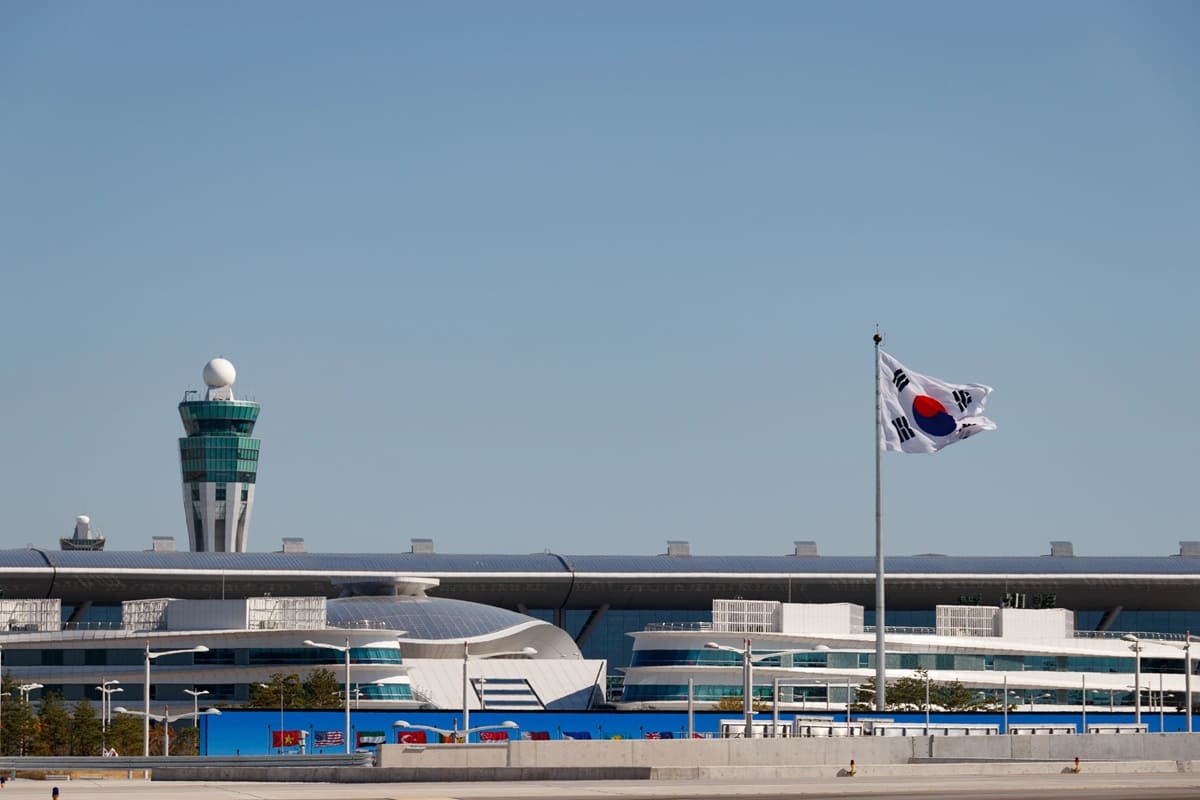
Beyond the top spot, the 2026 ranking confirms the strong presence of Asian airports, which occupy a large share of the leading positions. Seoul Incheon (2nd) stands out for its family-friendly positioning, while Tokyo Haneda (3rd) excels thanks to the cleanliness of its facilities and the accessibility of its services, particularly for passengers with reduced mobility. Hong Kong (4th), which has climbed in the rankings, is praised for the efficiency of its security checks and the quality of its infrastructure.
This strong showing can be attributed to sustained investment in infrastructure, extensive integration of technology (automation, biometrics, digital services), and a strong focus on smooth passenger flows. It is also supported by a deeply rooted service culture that places user experience at the core of airport strategies.
Paris CDG confirms its leadership in Europe
Europe remains well represented, with Paris Charles de Gaulle ranking 6th globally. This performance continues a strong trend for the Paris hub, which retains, for the fourth consecutive year, its title as the best airport in Europe.
Several other European airports also maintain strong positions in the global ranking.
Rome Fiumicino (7th) stands out as a key player in Southern Europe, while Munich (9th) is recognized for the quality of its staff and operational efficiency. Helsinki-Vantaa (11th) is noted for its smooth passenger flows and its positioning in Northern Europe.
Paris Orly also distinguishes itself by winning the title of best regional airport in Europe, highlighting positive momentum across Groupe ADP.
In a ranking largely dominated by Asia, these results demonstrate the ability of European airports to remain competitive by focusing on continuous improvements to the passenger experience, infrastructure modernization, and the optimization of procedures, particularly at checkpoints and border controls.
The top 20 best airports in the world in 2026
Here is the full ranking of the world’s top 20 airports in 2026, as established by Skytrax:
- Singapore Changi
- Seoul Incheon
- Tokyo Haneda
- Hong Kong
- Tokyo Narita
- Paris Charles de Gaulle
- Rome Fiumicino
- Istanbul
- Munich
- Vancouver
- Helsinki-Vantaa
- Chubu Centrair (Nagoya)
- Dubai
- Riyadh King Khalid
- Vienna
- London Heathrow
- Amsterdam Schiphol
- Fukuoka
- Zurich
- Bahrain
Specialized awards reflect key industry trends
Beyond the overall ranking, the World Airport Awards also highlight specific areas of excellence:
- Tokyo Haneda: World’s cleanest airport (major hubs)
- Hong Kong: Best airport security processes
- London Heathrow: Best airport shopping
- Riyadh King Khalid: Most improved airport
- Chubu Centrair: Best regional airport
These distinctions also reflect the growing importance of criteria such as innovation, passenger flow efficiency, and service personalization. Cleanliness, speed of processing, accessibility, and the quality of commercial areas are no longer secondary factors, they have become key differentiators in today’s airport landscape.