
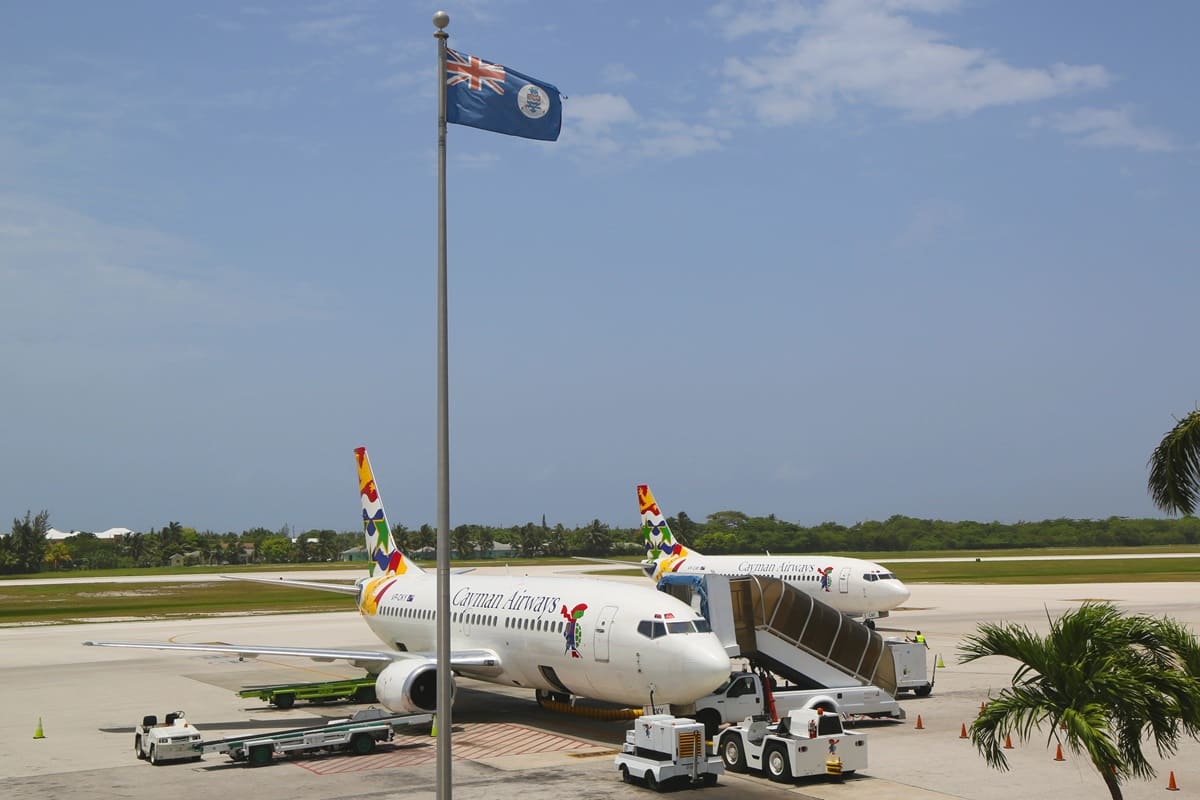
Following in the footsteps of the United Kingdom, an electronic travel authorization (ETA) could soon be introduced in one of its overseas territories: the Cayman Islands.
In a statement released on November 20, 2026, the Cayman Islands government outlined its plans to accelerate border modernization through greater use of technology.
The initiative follows an official visit to the United Kingdom in November by a delegation led by Nickolas DaCosta, Minister for District Administration and Home Affairs, which included representatives of the Cayman Islands Customs and Border Control Service (CBC).
Discussions with officials from the UK Home Office and Border Force focused on biometrics, contactless travel, and opportunities to automate immigration procedures.
According to Nickolas DaCosta, “Border security and passenger convenience should not be competing priorities.”
Cayman Islands explore electronic travel authorization
Among the measures currently being considered by Cayman Islands authorities are:
- The introduction of an electronic travel authorization (ETA);
- The installation of automated border control gates (eGates);
- Greater use of passenger data and its processing prior to arrival;
- Dedicated or expedited entry procedures for Caymanians.
The introduction of an ETA would mark a significant change in travel requirements for visitors to the Caribbean destination.
Similar to the UK’s system, an electronic travel authorization could allow authorities to conduct certain security checks before visa-exempt travelers even begin their journey.
However, the Cayman Islands government has yet to announce an implementation timeline, identify which nationalities could be affected, or provide details on the application process or potential fees.
The minister intends to draw on proven solutions from other countries and adapt them to the specific needs of the Cayman Islands. “We do not need to reinvent the wheel,” Nickolas DaCosta emphasized.
Airports first, followed by cruise ports
While authorities intend to initially focus their efforts on the islands’ international airports, the border modernization project is eventually expected to extend to all ports of entry, including cruise passenger arrivals and maritime operations.
This is a particularly noteworthy development for one of the Caribbean’s popular cruise destinations, although there is currently no indication that cruise passengers would be subject to a potential ETA requirement.
The Cayman Islands already have some automated border control technology in place.
At Owen Roberts International Airport on Grand Cayman, Automated Border Control (ABC) kiosks allow eligible travelers, including tourists holding U.S., British, or Canadian passports who are staying for less than 30 days, to complete part of the immigration process using self-service technology.
The kiosks allow travelers to scan their passports, have their photographs taken, and answer a series of questions before proceeding to an immigration officer.
The introduction of automated border gates could therefore represent another step toward a more seamless and digital passenger experience.
What are the current entry requirements for the Cayman Islands?
For now, international tourists are not required to obtain an electronic travel authorization specific to the Cayman Islands.
Citizens of numerous countries, including the United States, Canada, the United Kingdom, Australia, New Zealand, and France, enjoy visa-free travel for tourist stays in the islands.
Although the Cayman Islands are a British Overseas Territory, the UK’s electronic travel authorization (ETA), which is required for many international travelers visiting the United Kingdom, does not apply to the islands.
Foreign nationals who require a visa must submit their applications and pay the processing fees through a dedicated government portal. However, this is not a fully electronic visa (e-Visa) system, as the visa must still be placed in the traveler’s passport once the application has been approved.
Cayman Islands authorities will now continue working to define the technical, operational, and regulatory framework for this border transformation, which is expected to be rolled out in phases.
VisasNews Take
From the United Kingdom to Caribbean destinations, electronic travel authorizations are increasingly becoming a tool for border management. The Cayman Islands’ plans reflect a broader shift toward screening travelers before departure rather than relying solely on checks upon arrival. One of the key developments to watch will be the scope of any future ETA requirement, particularly whether it will apply to cruise passengers, whose visits are typically limited to short port calls. For now, however, no new travel requirements have been introduced.

