South Africa is adding a new digital step to the international travel process.
Since July 1, 2026, anyone entering or leaving the country is, in principle, required to submit an online traveler declaration, officially known as the Customs Online Traveller Declaration, before travel. The measure is implemented by the South African Revenue Service (SARS), the country’s tax and customs authority, through the South African Traveller Management System (SATMS).
Although it may feel similar to a digital arrival card, this formality is primarily a customs requirement. It is used to declare goods, currency, negotiable instruments, or other items subject to customs control. It does not replace a visa application, a visa exemption, or an electronic travel authorization.
A mandatory formality for entering and leaving South Africa
The declaration applies not only to travelers entering South Africa, but also to those leaving the country. It covers travel by air, land, sea, or rail.
South African citizens, residents, and foreign travelers are all concerned. Children and infants must also be covered by a declaration, although a parent, legal guardian, or accompanying person may complete the form on their behalf.
SARS provides for a few exceptions. Air and sea passengers in transit who do not leave the designated transit area are not required to submit the declaration. In limited cases, including technical issues, lack of internet access, or a reasonable inability to complete the form online, a paper declaration may still be used.
A declaration to be completed within 24 hours before travel
The declaration must be submitted no earlier than 24 hours before departure from the country where the traveler begins the journey.
For itineraries with connections, SARS specifies that this timing applies to the final direct segment to South Africa. A traveler leaving Paris with a connection in Doha or Dubai, for example, should therefore base the timing on the final direct flight to South Africa.
The declaration can be completed through the SARS online portal at sars.gov.za, the South African Traveller Management System mobile app, the SARS MobiApp for iOS and Android, “Scan-to-Declare” QR codes, or, where available, self-service kiosks at entry or exit points.
Once the form is submitted, the traveler receives a confirmation with instructions to follow on arrival or departure. SARS recommends keeping this confirmation on a phone or in printed form so it can be presented if needed.
What to prepare before completing the declaration
Before starting, travelers should have the information usually required for this type of formality ready.
They will need to provide details from their passport or travel document, personal information, contact details, travel information, the mode of transport used and, where applicable, information about the people traveling with them.
For air travel, a flight number may be requested. For travel by private vehicle or motorcycle, the system may ask for the vehicle registration number. For travel by sea or rail, information related to the vessel, journey, or train may be required.
The form also asks travelers to indicate whether they are carrying goods, currency, or financial instruments that must be declared. Ordinary personal belongings intended for the traveler’s own use do not need to be declared unless they exceed the applicable allowances or require customs attention.
How to complete South Africa’s traveler declaration
The process starts on SARS’ Traveller Management System. From the dedicated traveler declaration page, users must select the option to complete a declaration.
The first step is to indicate the type of declaration. Two main options are available: a full declaration if the traveler is carrying goods or currency to declare, or a “Nil” declaration if there are no goods or currency to declare.
For a tourist who is not carrying high-value purchases, commercial goods, cash, or financial instruments that need to be declared, the “Nil” declaration will generally be the simplest option.
The traveler then selects the travel mode, the port of entry or exit, and the type of transport. For air travel, this may include the arrival or departure airport and the flight number. For entry by land, sea, or rail, the form adapts to the chosen mode of transport.
The form then asks for the traveler’s information: type and number of travel document, country of issue, nationality, first name, last name, contact details, and address or contact information in South Africa where requested.
The “Travel Details” section is used to specify the purpose of travel, country of departure, any stops, the destination, and the travel date. If the trip is made on behalf of a company or organization, details about that entity may also be requested.
When completing the declaration for a family or group, the traveler must ensure that a declaration is submitted for each person. The system allows accompanying travelers to be added, with their first name, last name, travel document number, and country of document.
If the traveler has goods or currency to declare
If the traveler selects a full declaration, the form requests additional information.
For currency or financial instruments, the traveler must indicate whether they are carrying them for themselves, for another person, or for a company. The system may ask for the type of financial instrument, amount, currency, source of funds, country of origin, and reason for carrying cash.
For goods, the declaration may cover commercial merchandise, items intended for temporary import, samples, goods to be repaired or processed, restricted goods, or items exceeding customs allowances.
The traveler must then provide the information requested by the system, such as a description of the item, quantity, declared value, serial number where necessary, or any other detail allowing customs officers to identify the goods concerned.
If duties or taxes are payable, the system may display a payment summary. Depending on the case, payment may be made online or at the entry or exit point, where the relevant port has the necessary payment facilities.
Validation, confirmation, and border procedures
At the end of the form, travelers must review the summary, confirm that the information provided is accurate, complete the CAPTCHA, and submit the declaration.
After validation, SARS sends a confirmation, generally by email and/or SMS, with the instructions to follow. This confirmation should not be considered a visa or an entry authorization, but proof that the customs declaration has been submitted.
Upon arrival in South Africa, travelers first proceed through immigration control, then follow the instructions received for the customs area. When leaving the country, they must also follow the guidance included in their confirmation, especially if they need to register goods for reimportation, validate a customs procedure, or complete a tax refund-related process.
What happens if the declaration is not completed before arrival?
SARS states that travelers will not be refused entry or exit solely because they did not complete the declaration before arriving at the border crossing point.
Customs officers and, depending on the port, self-service kiosks may assist travelers who were unable to submit their declaration in advance. This flexibility should not, however, be seen as an invitation to wait until the last minute.
In practice, it is better to complete the declaration before travel. This helps reduce the risk of delays, avoids an additional step on arrival, and ensures the traveler already has the customs instructions needed at the time of clearance.
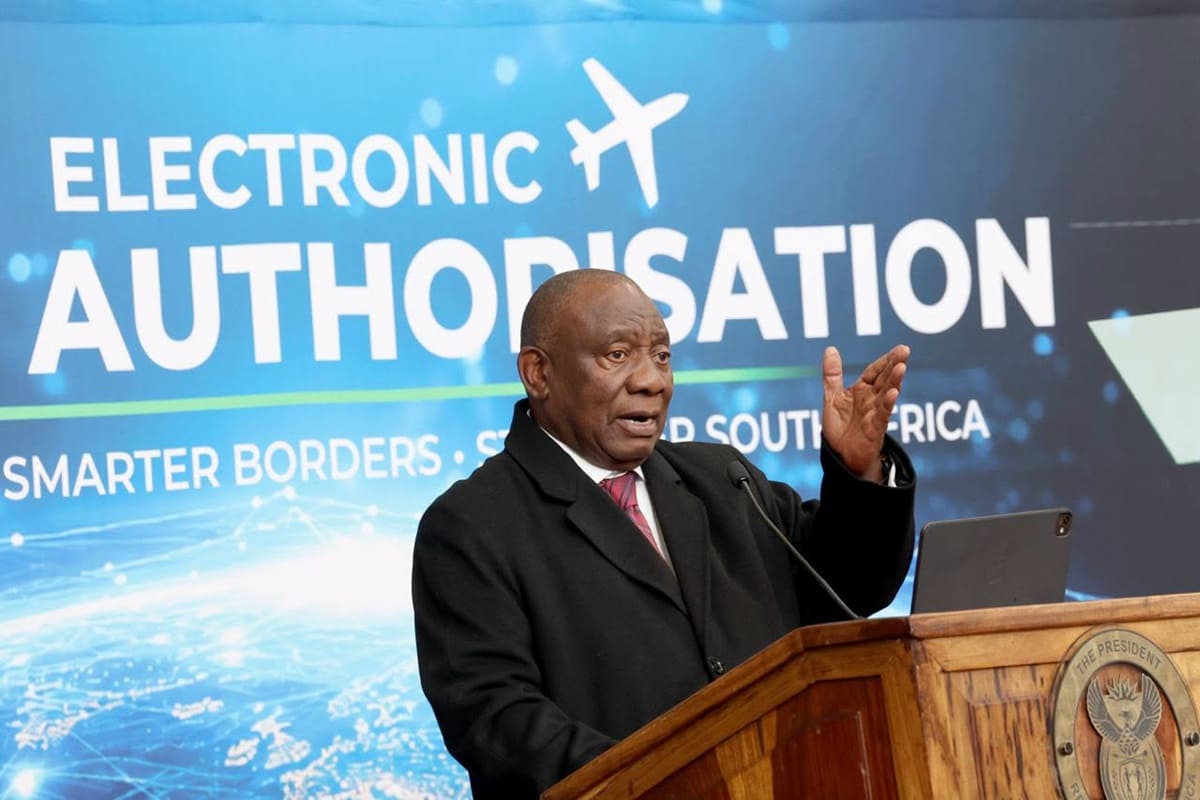
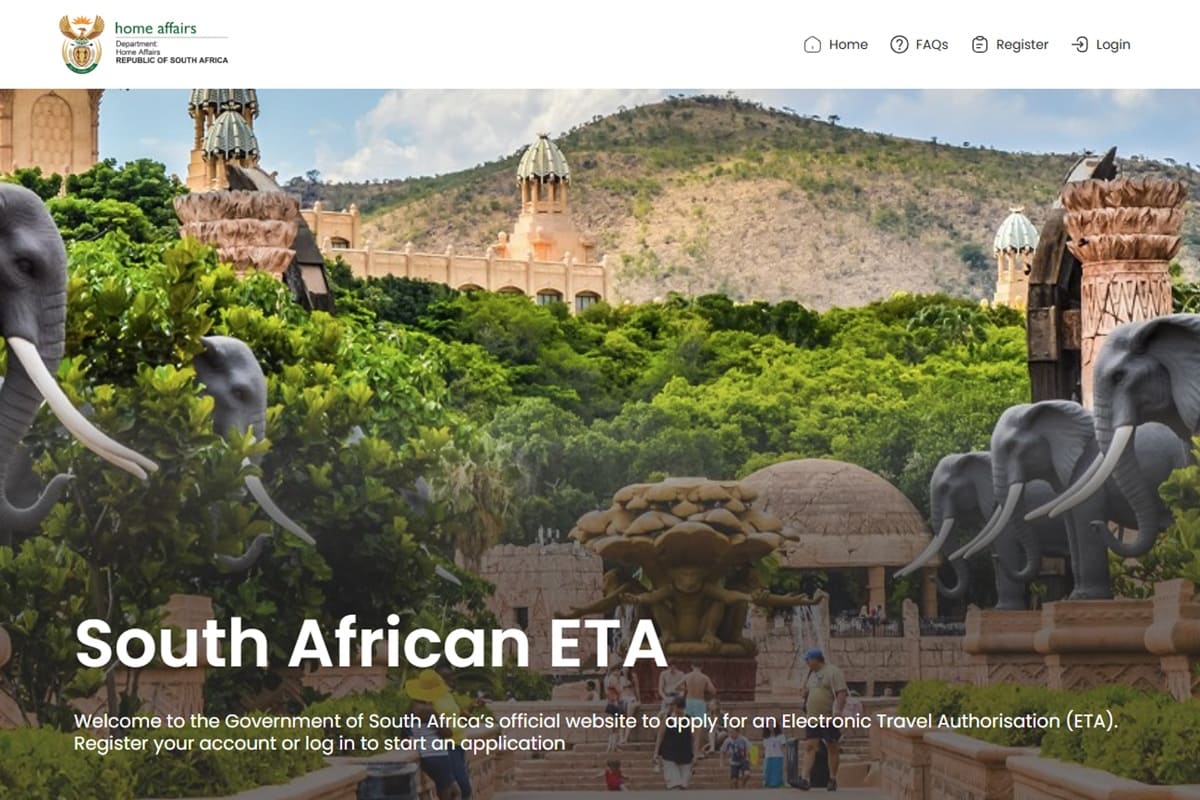
This new requirement should not be confused with visa procedures or South Africa’s electronic travel authorization (ETA).
A system tested since 2022
The system did not appear overnight. SARS says the online traveler declaration was first tested in 2022 at several major airports, including King Shaka International Airport, Cape Town International Airport, and OR Tambo International Airport, before being gradually rolled out to all South African air, land, and sea ports.
The main change introduced on July 1, 2026, is therefore the shift from an already available tool to a more widely applicable requirement. South Africa is joining the broader move toward digital travel formalities, but with an approach focused on customs rather than entry authorization.
VisasNews Take
For travelers, the right reflex is not to put this formality in the same category as a visa. South Africa’s traveler declaration does not grant the right to enter the country, but it can affect how smoothly travelers move through customs.
The principle remains fairly familiar: declare what you are carrying, especially when it involves goods, valuables, or currency. What is changing is the timing and the format. South Africa is now asking travelers to do this online before the trip, rather than waiting for a counter or a paper form.
For a tourist stay with no specific goods to declare, the formality should remain straightforward. It simply deserves a place on the small checklist of things to do before departure. It may not be the most exciting travel document, but it is exactly the kind of form travelers would rather complete calmly before reaching the airport.