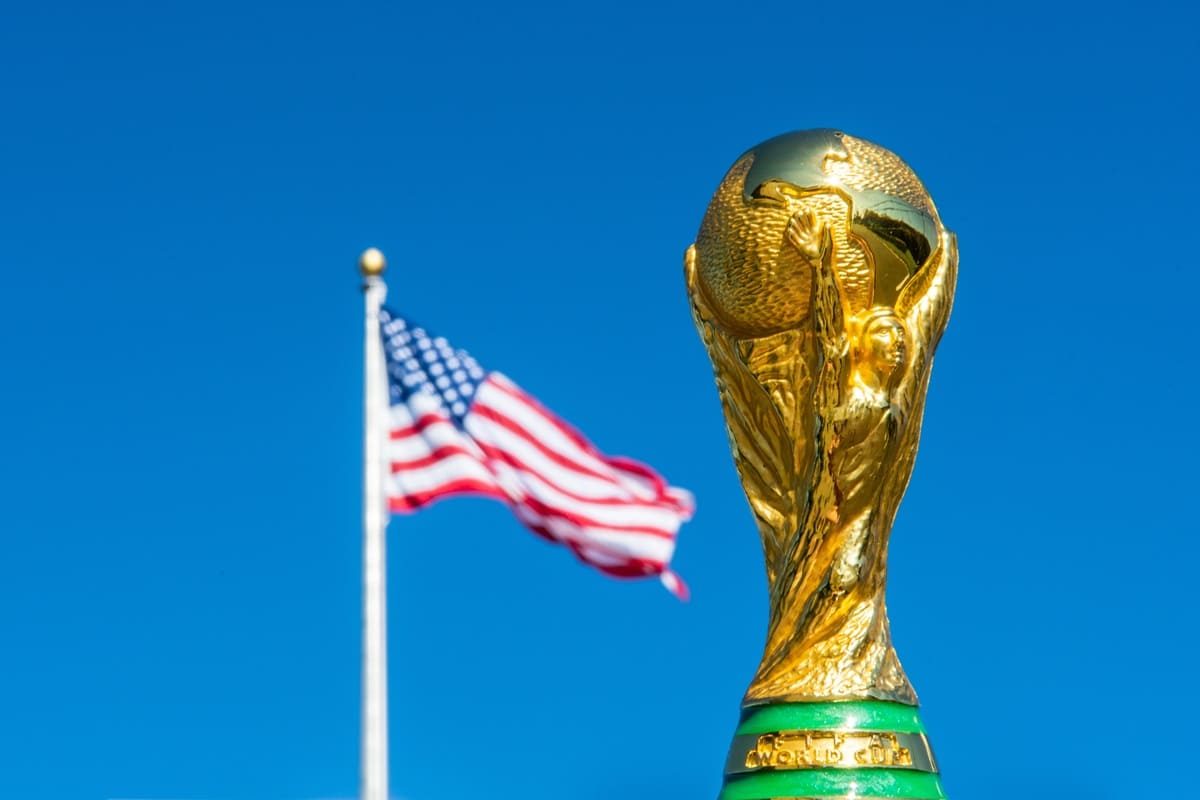
The 2026 World Cup is shaping up to be more than just a massive sporting event. For the U.S. travel industry, it could also become a powerful driver of international trips, tourism spending, and visitor movement, extending well beyond the host cities themselves.
Released on April 8 by the U.S. Travel Association, the study, conducted by GSIQ Tourism Insights among more than 9,500 respondents across 10 key markets, including the United States, Europe, and Latin America, portrays international travelers as willing to commit significant budgets to attend the tournament.
Respondents said they expect to spend more than $5,000 per person, well above what they would typically spend on a standard international trip to the United States. One-third also plan to stay for more than two weeks.
Beyond the matches themselves, what stands out most is the desire to explore. More than 80% of those surveyed said they would be open to visiting other U.S. destinations beyond the major metropolitan areas directly tied to the competition. For tourism professionals, the opportunity therefore extends far beyond the stadiums and also includes secondary cities, regions, and local economies.
A major economic promise, but not without conditions
The U.S. Travel Association does, however, stress one essential point: this potential will not automatically translate into real-world benefits. The organization believes the United States still needs to remove several obstacles if it wants to turn foreign fans’ interest into actual arrivals.
Among the issues weighing on the country’s image, safety ranks high. The study notes that this remains a sensitive concern for some potential visitors, which gives particular importance to the investments announced to secure the matches.
The association also points to another risk: mixed messaging around entry requirements and the way travelers can expect to be received.
Visas, ESTA, and the country’s image in focus
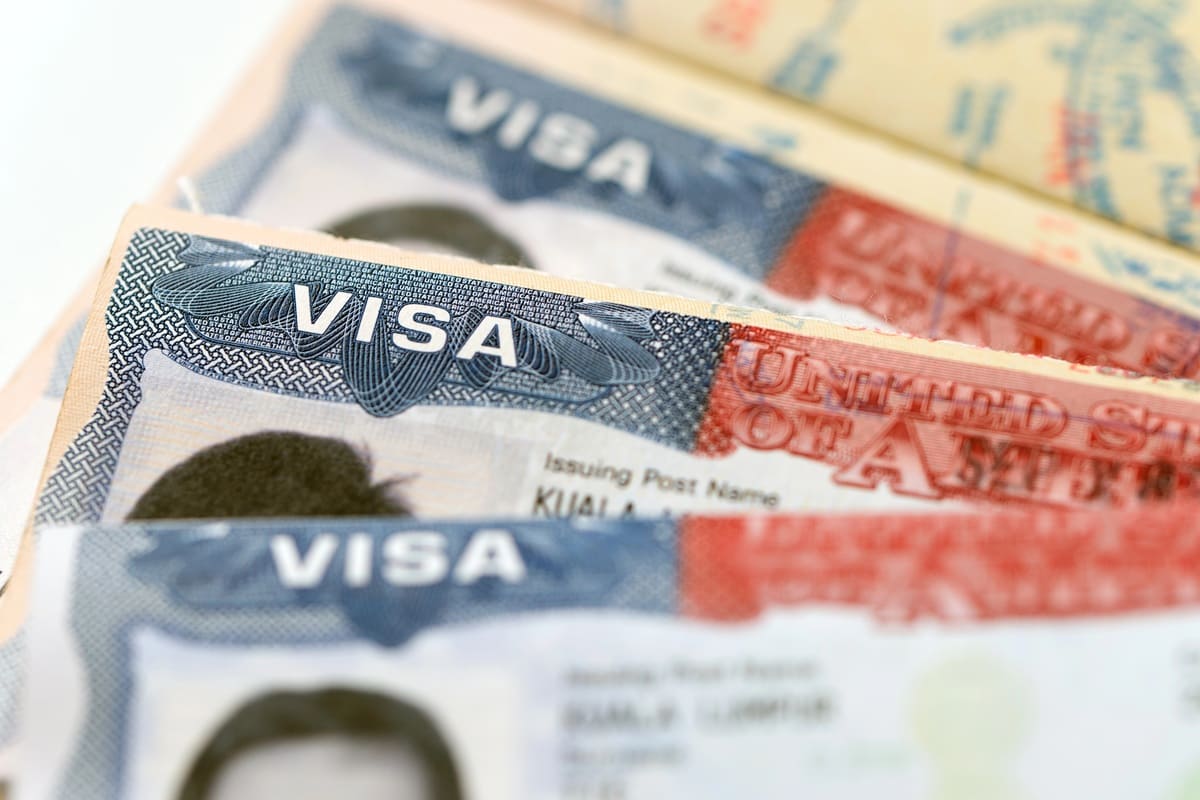
The release notes that about one-third of respondents are concerned about measures that have been discussed but not implemented at this stage. Higher visa fees are a concern for 34% of those surveyed, while 32% cite proposed social media-related requirements under ESTA.
According to the organization, these concerns can still be managed, provided communication is clear. The challenge is to reassure travelers about entry procedures, correct certain negative perceptions, and project a consistent image of the country internationally. In other words, part of the battle will also be fought through how clearly the rules imposed on travelers are presented.
Geoff Freeman, President and CEO of the U.S. Travel Association, said that “this research shows visitors aren’t just coming for the matches, they are coming to experience America.” “Being prepared and welcoming is not just good for visitors. It strengthens our economy, supports 15 million jobs and reinforces the values we share as a nation,” he added.
“The 2026 World Cup is America’s championship moment”
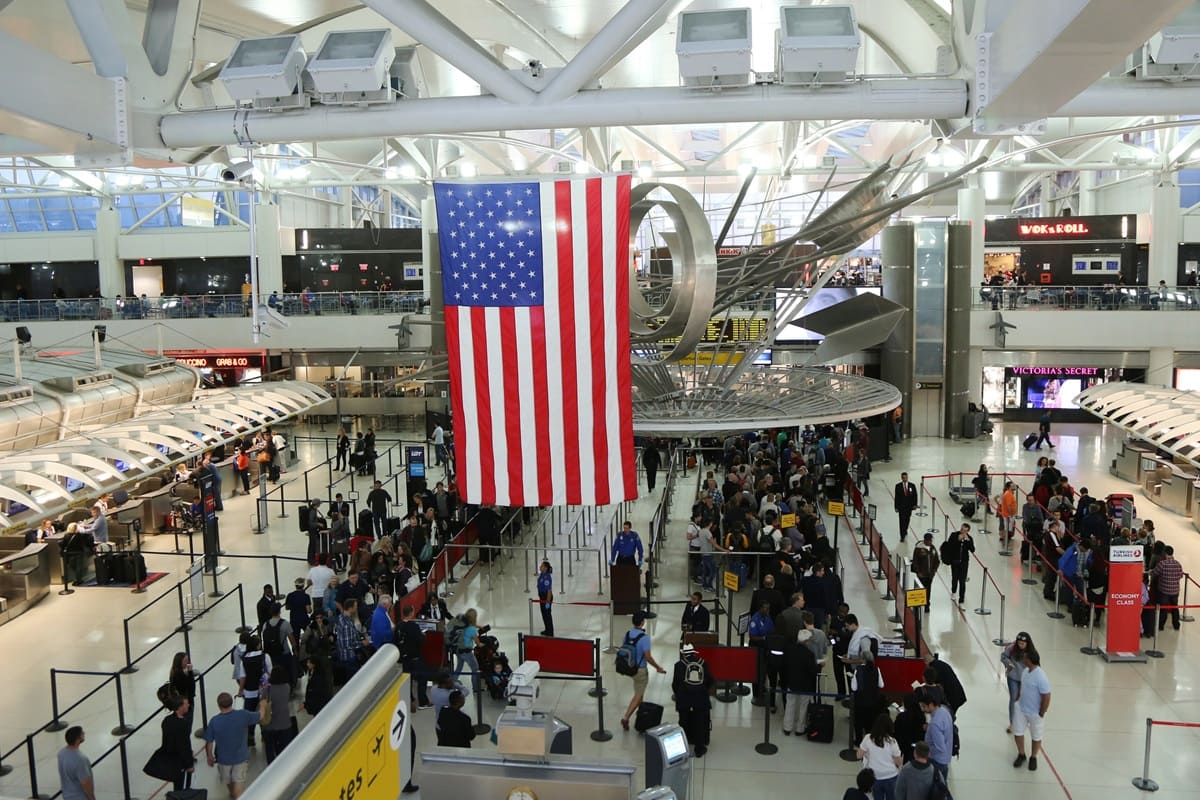
In that context, the 2026 World Cup is emerging as a full-scale test of the country’s ability to welcome large numbers of international travelers. The tournament is expected to draw millions of visitors within a compressed time frame, with all the demands that implies for transportation, screening, information, and the smooth flow of travel.
With the event now just weeks away, the U.S. Travel Association is calling on Congress and the administration to move from potential to execution. In particular, the organization is urging the restoration of funding for Brand USA, the agency responsible for promoting the United States as a destination abroad, the reduction of barriers to entry, and full mobilization of the transportation system.
“In sports, you don’t show up to the championship unprepared. The 2026 World Cup is America’s championship moment—the largest sporting event in history, on our soil, with the world watching,” Geoff Freeman added. “The demand is there. The fans are coming. Now it’s time for Washington to make sure we are ready to win.”
Beyond the stadiums and the matches, the organization wants to make this World Cup a real-world test of how the United States welcomes international visitors. In its view, the event can become a powerful engine for economic growth and cultural connection, with effects that could extend well beyond the competition itself.