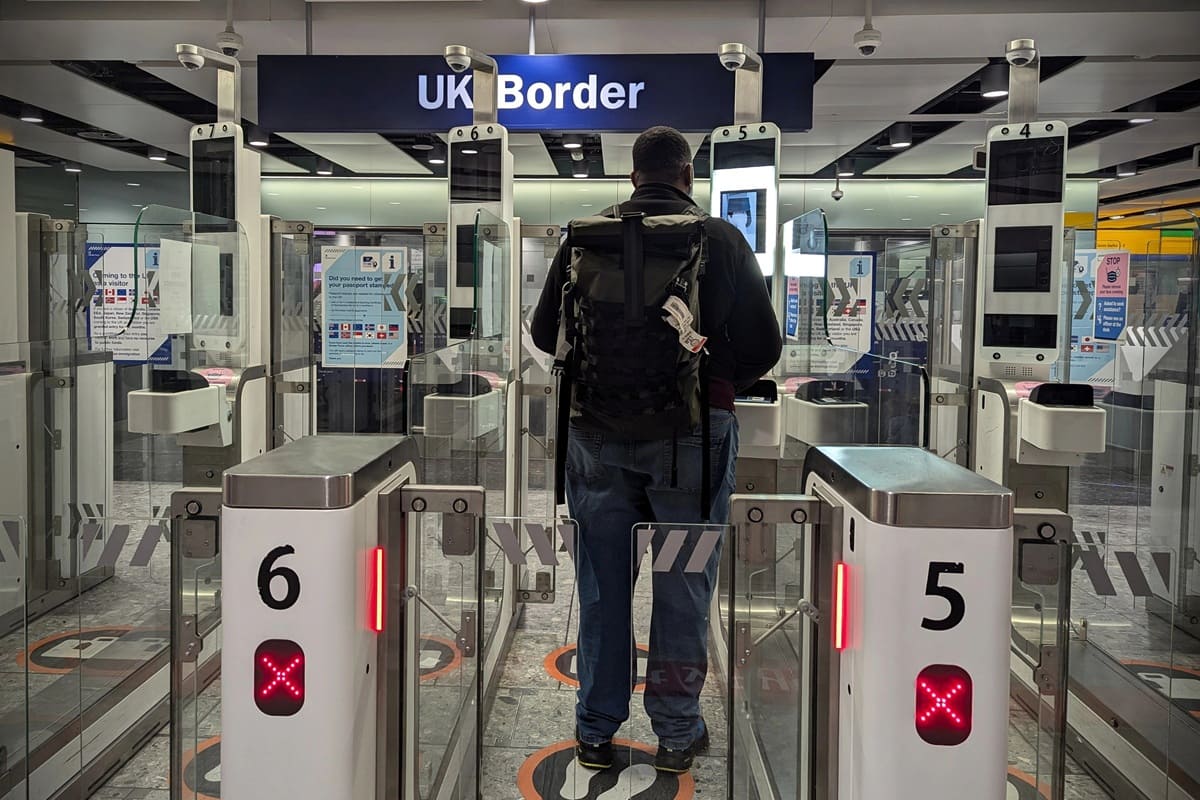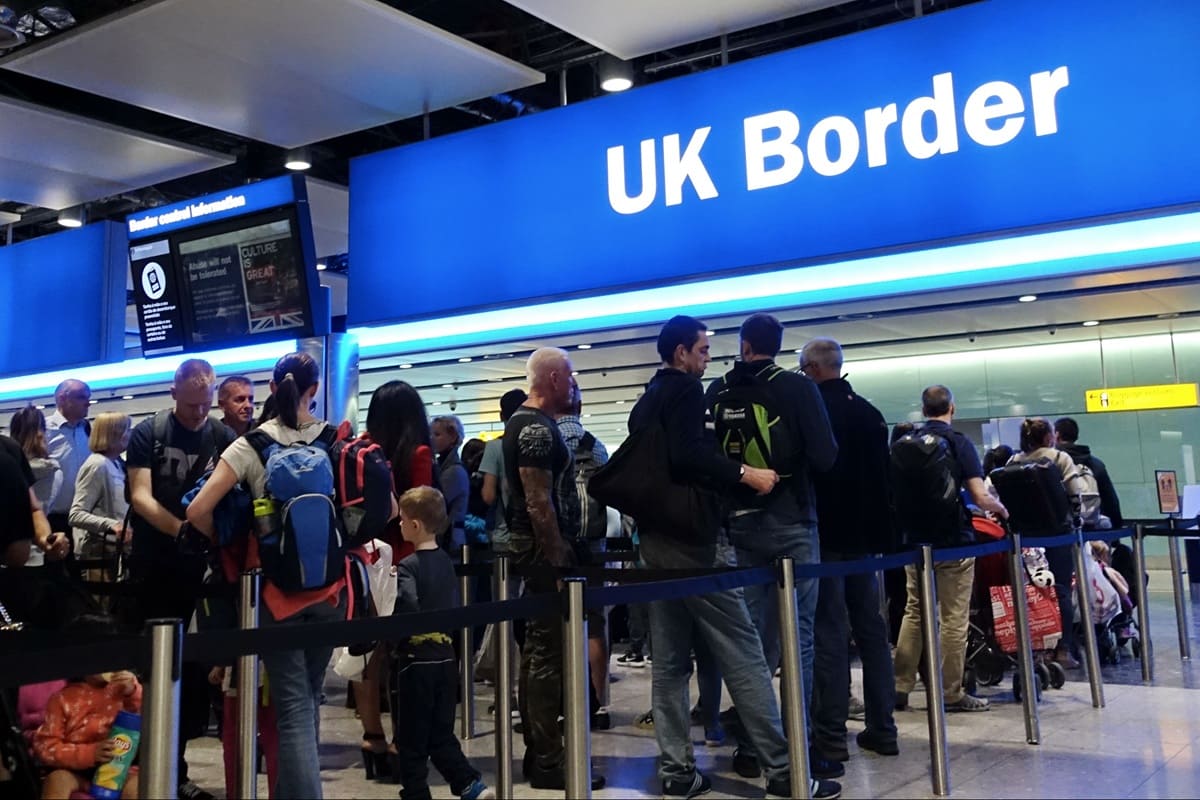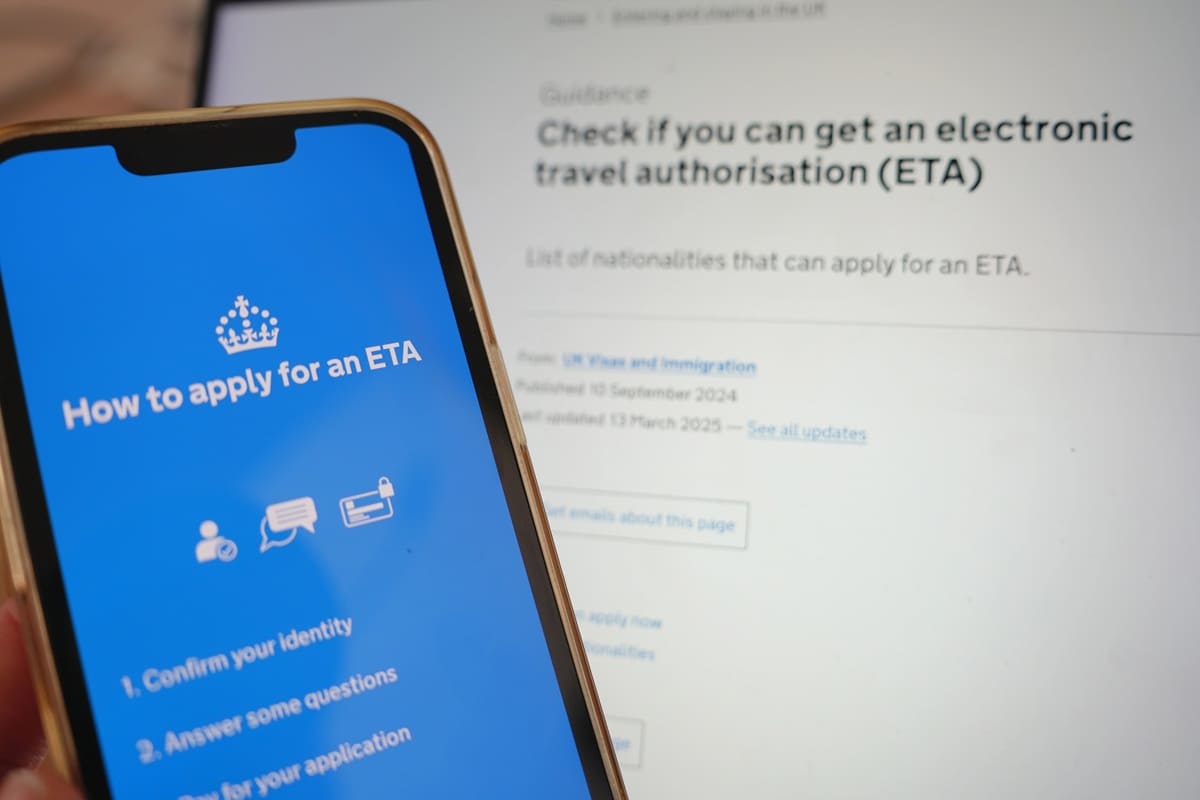
The UK has officially raised the cost of its Electronic Travel Authorisation for travelers who are exempt from visa requirements. Previously set at £16 (about US$22), the ETA now costs £20 (nearly US$27), marking a 25% increase.
For affected travelers, the increase is not dramatic in absolute terms, but it still adds to the cost of a city break, a family visit, or a short business trip to the UK. When the program launched in the fall of 2023, the ETA was priced at £10. Its fee was then raised to £16 in April 2025, which already represented a 60% increase at the time. After these two successive hikes, the cost of the ETA has now doubled in just over two years.
The ETA program is not new. It was introduced in the fall of 2023. Applications first opened on October 25, 2023, for Qatari nationals, then on February 1, 2024, for citizens of Bahrain, Jordan, Kuwait, Oman, Saudi Arabia, and the United Arab Emirates. A new wave followed in November 2024 for other eligible non-European nationalities, before the final major phase of the rollout, when Europeans were in turn allowed to begin applying to travel to the UK starting April 2, 2025.
The ETA fully came into force on February 25, 2026, and according to the Home Office, 24.8 million Electronic Travel Authorisations were issued between the launch of the program in October 2023 and the end of 2025.
Tomorrow, the Crown Dependencies will in turn join the ETA scheme
The ETA program does not stop with the United Kingdom itself. Starting tomorrow, April 9, 2026, applications will also open for Jersey, Guernsey, and the Isle of Man, ahead of implementation for direct travel beginning April 23. The Crown Dependencies said applications will open tomorrow at 10:00 a.m.
This timeline is worth watching closely for travelers planning a direct stay in the Channel Islands or on the Isle of Man. Until now, some trips remained outside the scope of the system when they did not pass through the United Kingdom itself. That will soon no longer be the case for non-visa nationals arriving directly from outside the Common Travel Area.
That change, however, comes with an important clarification for French travelers: in both Jersey and Guernsey, the ETA exemption granted to French nationals taking a day trip with nothing more than a national identity card remains in place. In other words, not all French visitors will automatically fall under the ETA requirement starting April 23, at least for these same-day round trips, which continue to enjoy a special status in the Channel Islands.
Who currently needs to apply for an ETA to travel to the UK?
As of today, 83 countries and territories are eligible for the UK ETA, namely:
- Andorra, Antigua and Barbuda, Argentina, Australia, Austria, Bahamas, Bahrain, Barbados, Belgium, Belize, Brazil, Brunei, Bulgaria, Canada, Chile, Costa Rica, Croatia, Cyprus, Czech Republic, Denmark, Estonia, Finland, France, Germany, Greece, Grenada, Guatemala, Guyana, Hong Kong, Hungary, Iceland, Israel, Italy, Japan, Kiribati, Kuwait, Latvia, Liechtenstein, Lithuania, Luxembourg, Macao, Malaysia, the Maldives, Malta, the Marshall Islands, Mauritius, Mexico, Micronesia, Monaco, the Netherlands, New Zealand, Norway, Oman, Palau, Panama, Papua New Guinea, Paraguay, Peru, Poland, Portugal, Qatar, Romania, Saint Kitts and Nevis, Saint Lucia, Saint Vincent and the Grenadines, Samoa, San Marino, Saudi Arabia, the Seychelles, Singapore, Slovakia, Slovenia, the Solomon Islands, South Korea, Spain, Sweden, Switzerland, Taiwan, Tonga, Tuvalu, the United Arab Emirates, the United States, Uruguay, and Vatican City.
At the same time, the UK Home Office has reiterated several practical points: travelers in transit who pass through UK border control are generally required to hold an ETA, while those who remain airside at Heathrow or Manchester are, for now, exempt. The government also recommends submitting the application at least three business days before departure, even though most decisions are issued within minutes.