The World Travel & Tourism Council (WTTC), which represents the private travel and tourism sector, estimates that introducing a £10 per-night tourist tax would have significant economic consequences for England, and more broadly for the United Kingdom.
According to a research conducted between February 7 and 11, 2026, among 2,502 respondents by the WTTC and research firm GSIQ, 29% of travelers from the UK’s key inbound markets, namely the United States, France, and Germany, say they would consider choosing a different destination or canceling their trip if a £10 nightly tax were implemented.
The organization estimates the potential impact at £14.4 billion in lost tourism spending by 2027 if such a measure were introduced. According to the WTTC, this downturn would trigger a “domino effect” across the entire tourism value chain.
Gloria Guevara, President and CEO of the WTTC, stated that “our research couldn’t be any clearer – proposed visitor taxes would lead to a slump in international visitor numbers to the UK, as well as far fewer domestic visitors to popular English destinations.”
“Billions of pounds will be wiped from the UK economy, leading to much higher unemployment, especially among small shops, restaurants and suppliers to the hospitality sector,” she added.
A significant impact on domestic tourism
The study also highlights negative sentiment among British residents themselves. When asked about the prospect of a £10 per-night tax, 39% of UK respondents said they would consider vacationing elsewhere or would not choose the UK as a destination.
Families appear particularly sensitive to the proposal: 42% of respondents said such a tax would represent “a big issue or very big issue” when traveling with family.
According to the WTTC, this dual contraction, both international and domestic, would weaken a sector that supports approximately 4.5 million jobs in the UK, or nearly one in eight jobs nationwide.
The organization also notes that projected UK tourism GDP growth in 2025 (+4.3%) is expected to remain below the global average of +6.7%, underscoring, in its view, the country’s competitiveness challenge.
Government consultation concludes February 18
Wednesday, February 18 marks the end of the public consultation launched on November 26, 2025, by the Ministry of Housing, Communities and Local Government and HM Treasury regarding the potential introduction of a tourist tax in England.
The proposed measure, referred to as an “overnight visitor levy,” would give mayors of major English urban areas the authority to impose a local tax on overnight stays in commercial accommodations (hotels, bed and breakfasts, vacation rentals, …).
In practical terms, the levy would involve a small surcharge added to accommodation bills, either as a fixed amount per night or as a percentage of the room rate — a practice already common in many European cities to fund public services, infrastructure improvements, or tourism support initiatives.
At present, there is no national tourist tax in England. The consultation does not concern a mandatory nationwide tax, but rather the possibility for certain local authorities or mayors to introduce their own levy if they believe it would help finance local projects.
Mayors support a local funding tool
While the WTTC warns of potential economic losses, several English mayors have defended the overnight levy as a valuable local investment tool.
In a statement released last November, the government emphasized that the measure would place English cities “on equal footing with top tourist destinations around the world” such as New York, Paris, and Milan, where similar taxes are already in place.
London Mayor Sadiq Khan has been particularly supportive of the proposal: “Giving Mayors the powers to raise a tourist levy is great news for London. The extra funding will directly support London’s economy, and help cement our reputation as a global tourism and business destination.” He also stated his intention to work “closely with the hospitality and tourism sectors” to maximize the benefits for the capital.
In Liverpool, Metro Mayor Steve Rotheram argues that “cities like ours have been expected to compete on a global stage without the basic tools that other places take for granted.” According to him, “a modest levy is money that would stay local and be reinvested in the things that make our region stand out,” noting that the local visitor economy generates more than £6 billion annually and supports 55,000 jobs.
In Greater Manchester, Andy Burnham also views the measure as a tool to sustain growth: “It’s great news that the Government is committing to giving regional mayors the powers to introduce a visitor levy. (…) The levy will allow us to invest in the infrastructure these visitors need.” He noted that nearly two million international visitors generate approximately £9 billion per year for the local economy.
Other local leaders, particularly in the West of England, the North East, and Yorkshire, describe the proposal as a “vote of confidence” in devolution and an opportunity to fund transportation, cultural events, infrastructure, and local public services through what they characterize as a “modest” visitor contribution.
Tourist tax and ETA: a changing entry framework for the UK
This debate comes amid broader changes to entry requirements for the United Kingdom.
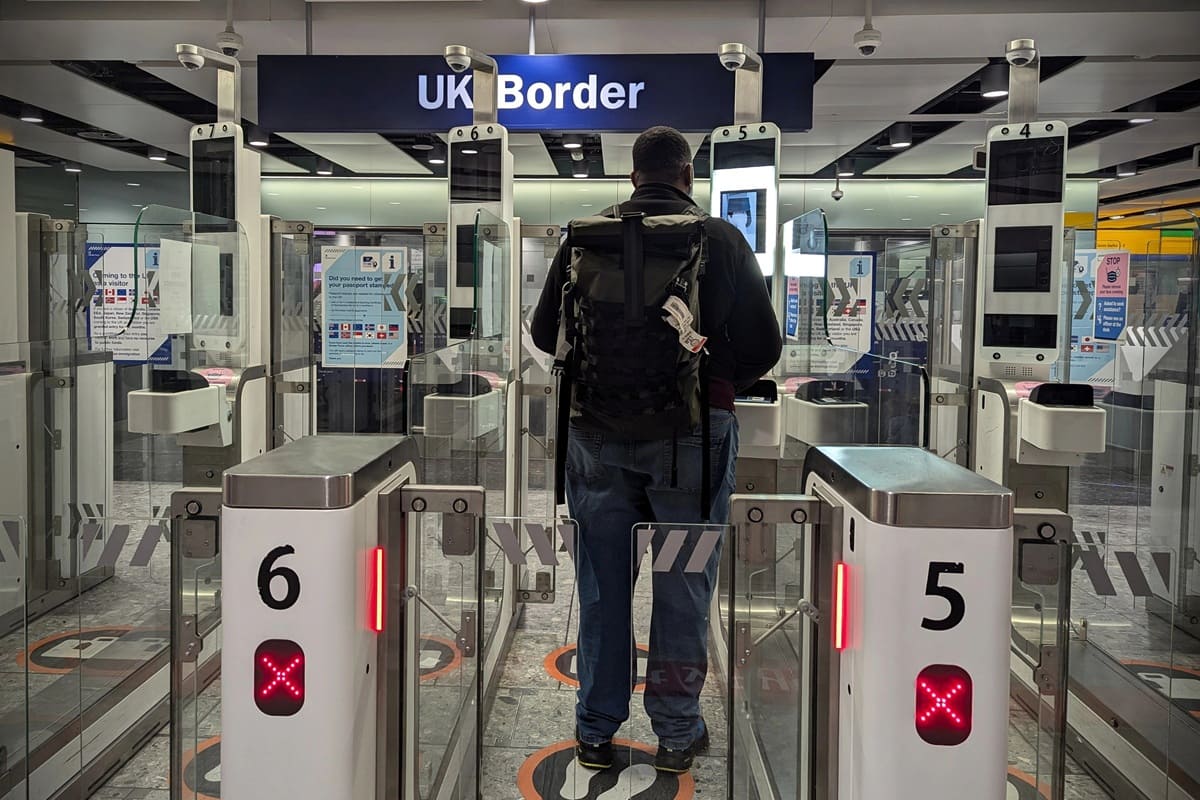
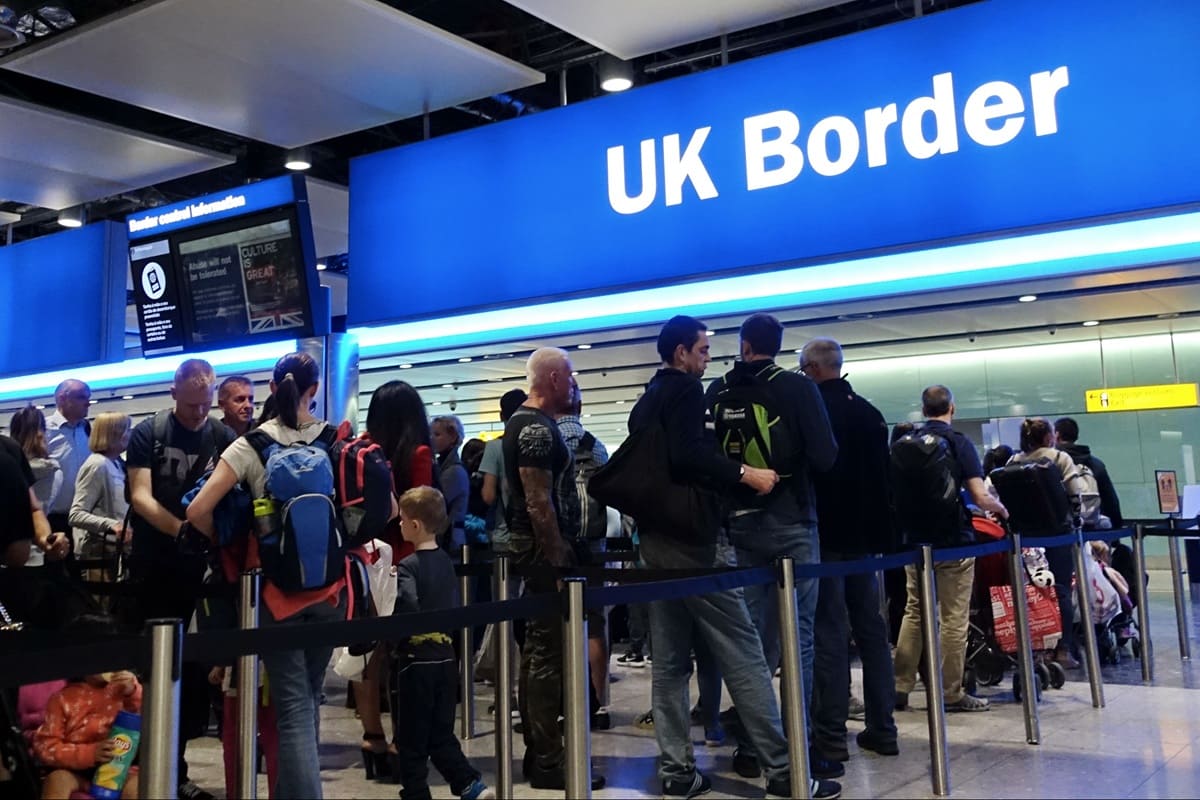
Beginning February 25, 2026, travelers who are exempt from a UK visa, including citizens of France, Belgium, Switzerland, Canada, and the United States, will be required to obtain an Electronic Travel Authorisation (ETA) prior to departure. This new paid requirement adds to travel costs and could, according to some industry stakeholders, affect the destination’s overall attractiveness.
In addition, the ETA fee, currently set at £16, may soon increase to £20, further fueling questions about the cumulative impact of new charges on international visitors.