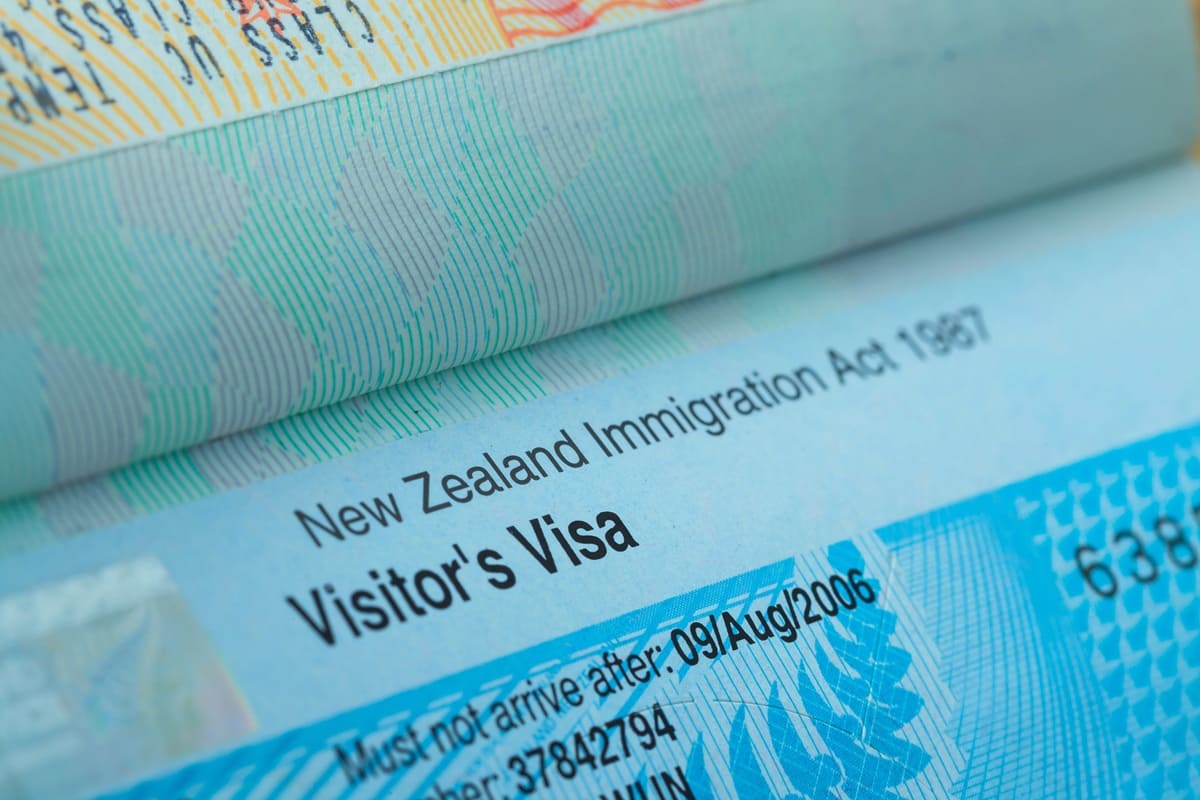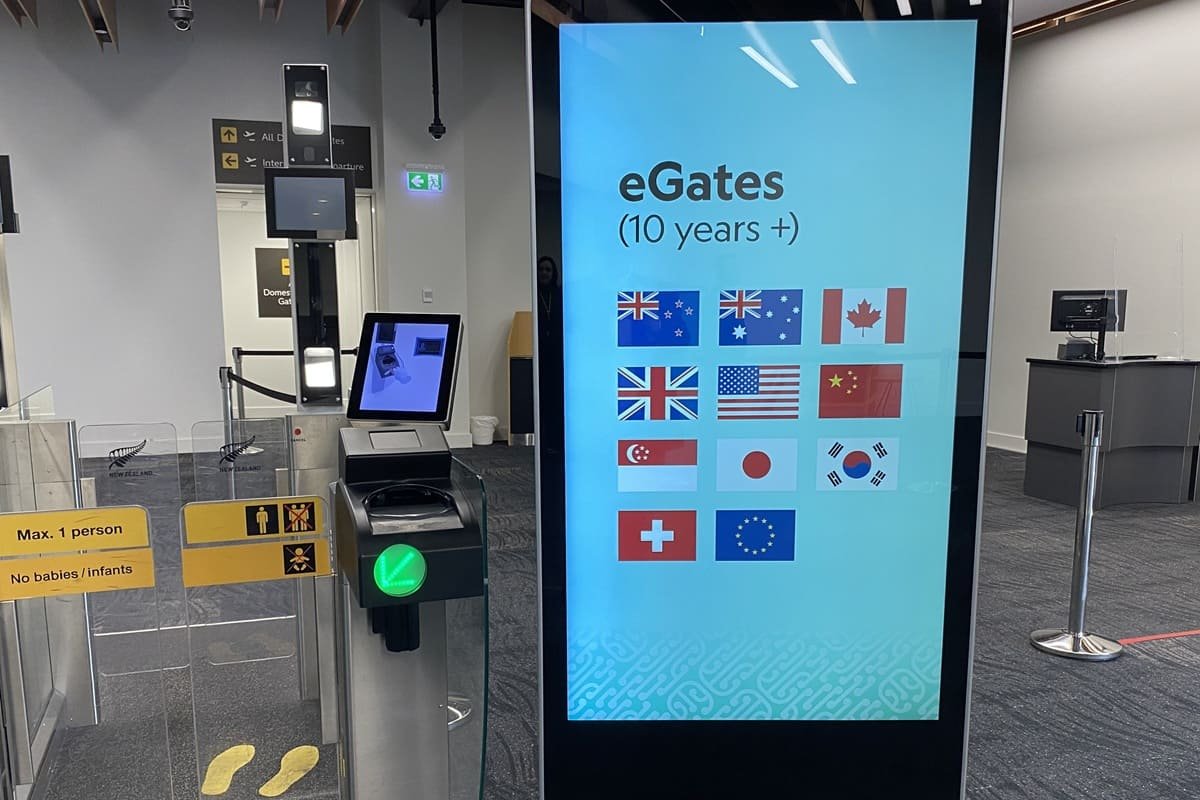
The year 2025 confirmed the strategic importance of the New Zealand Electronic Travel Authority (NZeTA) within the country’s immigration framework.
This electronic travel authorization, mandatory for nationals of visa-waiver countries traveling to New Zealand for short tourist, business, or transit stays, has become a central tool for managing international travel flows.
Immigration New Zealand (INZ) reported issuing more than 1.6 million NZeTAs in 2025, including over 31,000 granted to eligible Chinese and Pacific Island nationals traveling from Australia.
Overall, New Zealand’s immigration authorities facilitated more than 13.4 million border movements, highlighting the sustained recovery of international mobility and the system’s capacity to handle high traveler volumes.
New Zealand: More than one million visa decisions issued in one year
Beyond the NZeTA, Immigration New Zealand issued more than one million visa decisions in 2025, covering all categories: visitors, students, temporary workers, and residents.
Among these, 470,000 visitor visa applications were processed, with an approval rate of 89%.
Youth mobility programs also experienced strong momentum, with more than 45,000 Working Holiday Visa applications, approved at a rate of 98%.
The labor market remains a cornerstone of New Zealand’s immigration policy. In 2025, over 43,000 Accredited Employer Work Visa (AEWV) applications were assessed, with a 91% approval rate. At the same time, 17,500 employers renewed or obtained accreditation, bringing the total number of accredited employers to more than 27,000.
In the education sector, 97,000 student visas were processed, with a 91% approval rate, while 18,000 applications under the Recognised Seasonal Employer (RSE) program were reviewed, with an acceptance rate of 99%.
Five new visas introduced in New Zealand in 2025
The year was also marked by the introduction of five new visa categories, including the Active Investor Visa and the Business Investor Visa, a Parent Boost Visitor Visa, as well as two seasonal visas designed to address global labor needs and periods of peak economic activity.
On the humanitarian front, New Zealand supported the resettlement of more than 1,500 refugees, including 550 individuals under the Refugee Family Support Category. INZ also issued 1,330 asylum decisions.
At the same time, enforcement efforts were strengthened: 16 individuals were prosecuted for breaches of immigration law, and 151 infringement notices were issued, totaling NZD 520,000 in fines.
Immigration New Zealand also highlighted a significant reduction in processing times across major visa categories. On average, visitor visas were processed in five business days, down from seven in 2024. International student visa processing times fell from 18 to 12 days, while AEWV processing times dropped sharply from 23 to 12 business days.
Finally, 2025 marked a key milestone in the “Our Future Services” program, with student visas transitioning to a modernized online immigration system. The stated objective is to improve user experience, strengthen risk management, and enhance the overall efficiency of the system.
Building on these results, Immigration New Zealand plans to continue and expand these reforms in 2026, working closely with partners and stakeholders to maintain an immigration system that is accessible, efficient, and secure.
Working Holiday Visa: New Zealand confirms the 2026 opening schedule
As part of this momentum, Immigration New Zealand has also confirmed the 2026 opening schedule for quota-based Working Holiday Scheme (WHS) programs.
These highly sought-after programs apply only to certain partner countries and operate under limited quotas, allocated on a first-come, first-served basis.
By contrast, nationals of several countries are not subject to an opening schedule or annual quota, and may apply year-round provided they meet eligibility requirements. This includes France, Germany, and Canada, whose bilateral agreements with New Zealand allow for uncapped access to the Working Holiday program. Quota-limited programs, meanwhile, will remain open until available places are filled, after which they will automatically close until 2027.
The table below provides, for each eligible country, the 2026 opening dates for quota-based Working Holiday programs, along with the number of places available:
| Country | 2026 Opening date | Cap (number of places) |
|---|---|---|
| Malaysia | 11 February 2026 | 1,150 |
| Portugal | 19 February 2026 | 50 |
| Mexico | 26 February 2026 | 200 |
| Estonia | 4 March 2026 | 100 |
| Philippines | 12 March 2026 | 100 |
| Hong Kong | 19 March 2026 | 400 |
| Slovenia | 1 April 2026 | 100 |
| Spain | 9 April 2026 | 2,000 |
| Hungary | 23 April 2026 | 100 |
| Slovakia | 5 May 2026 | 100 |
| Austria | 12 May 2026 | 100 |
| South Korea | 14 May 2026 | 3,000 |
| Israel | 21 May 2026 | 200 |
| Taiwan | 28 May 2026 | 600 |
| Singapore | 3 June 2026 | 300 |
| Czech Republic | 18 June 2026 | 1,200 |
| United Kingdom | 25 June 2026 | 15,000 |
| China | 2 July 2026 | 1,000 |
| Luxembourg | 8 July 2026 | 50 |
| Poland | 15 July 2026 | 100 |
| Latvia | 22 July 2026 | 100 |
| Thailand | 5 August 2026 | 100 |
| Malta | 12 August 2026 | 50 |
| Lithuania | 19 August 2026 | 100 |
| Turkey | 27 August 2026 | 100 |
| Croatia | 10 September 2026 | 100 |
| Argentina | 24 September 2026 | 1,000 |
| Peru | 1 October 2026 | 100 |
| Brazil | 8 October 2026 | 300 |
| Chile | 15 October 2026 | 940 |
| Vietnam | 3 November 2026 | 200 |
| Uruguay | 17 November 2026 | 200 |