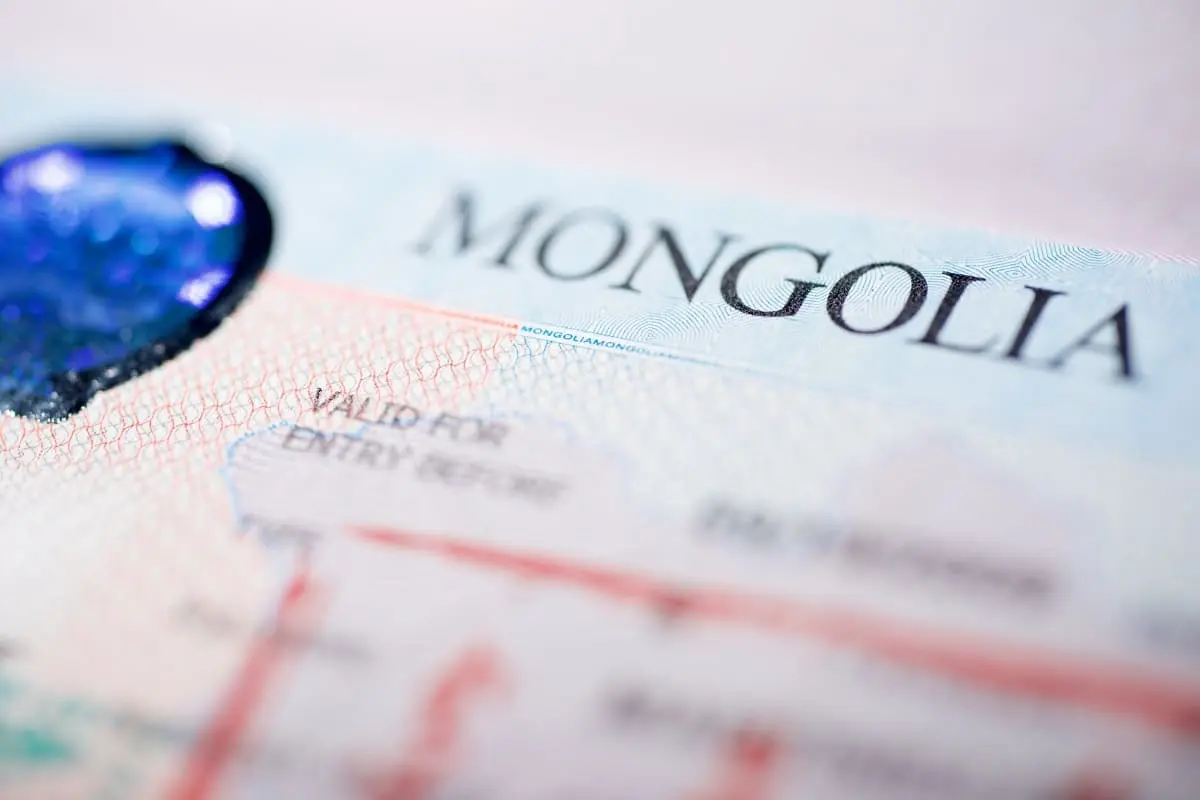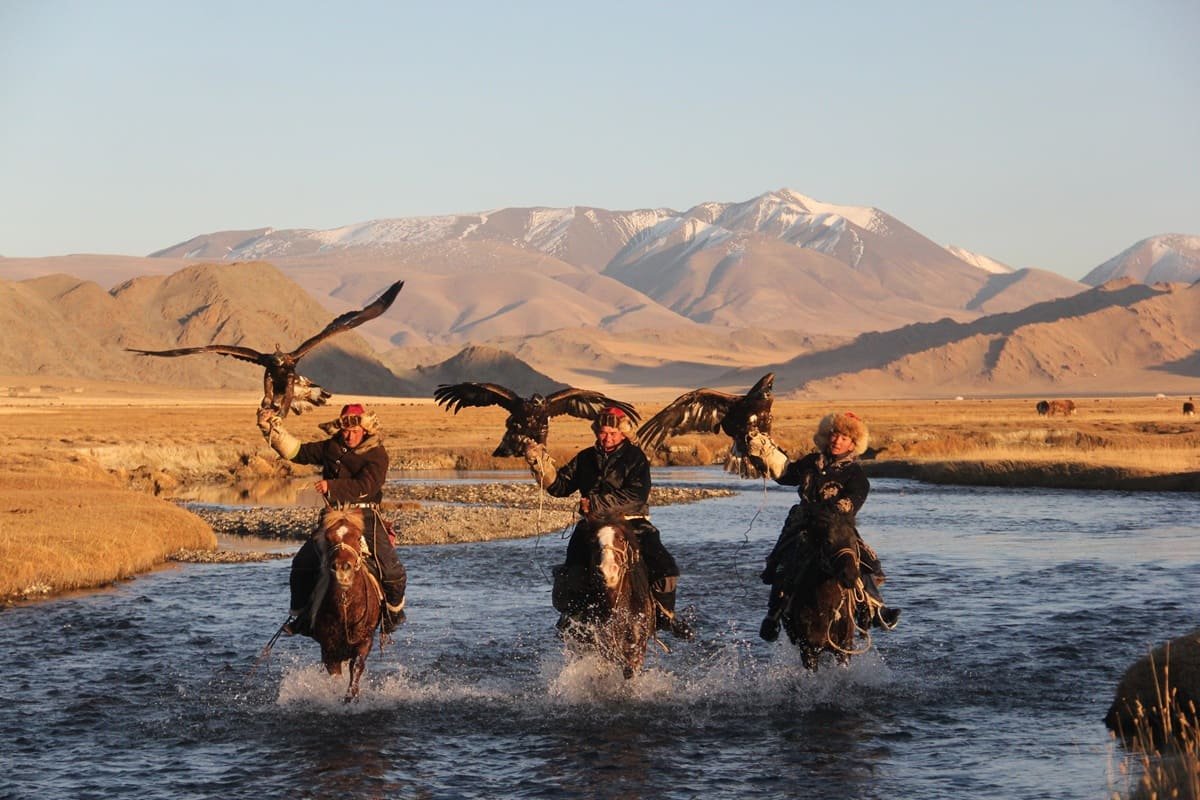
Introduced in early 2023, the 30-day visa exemption allows citizens of 34 countries to travel freely to Mongolia for tourism. This measure, designed to support a major national tourism promotion campaign, is set to expire on December 31, 2025.
The countries eligible for Mongolia’s 30-day tourist visa exemption are:
- Australia, Austria, Belgium, Bulgaria, Croatia, Cyprus, Czech Republic, Denmark, Estonia, Finland, France, Greece, Hungary, Iceland, Ireland, Italy, Latvia, Liechtenstein, Lithuania, Luxembourg, Malta, Monaco, Netherlands, New Zealand, Norway, Poland, Portugal, Romania, Slovakia, Slovenia, Spain, Sweden, Switzerland, and the United Kingdom.
So far, no official announcement has confirmed whether this exemption will continue or end in 2026, leaving travelers in a state of uncertainty.
A policy tied to the “Years to Visit Mongolia” initiative
The visa exemption was introduced as part of the “Years to Visit Mongolia” initiative launched in 2023 to boost the country’s tourism industry.
Originally planned as a three-year program ending in 2025, the initiative has since been officially extended by Mongolian authorities through 2028. The goal is to promote year-round tourism and increase the country’s international appeal. This extension suggests that the visa exemption could potentially be prolonged through 2028 as well.
However, despite the expanded strategic framework, no announcement has confirmed that the 30-day visa waiver will follow the same timeline.
As travelers await a definitive decision, many are trying to get clarification, but the answers remain vague.
On travel forums, multiple users report receiving inconsistent information from Mongolian embassies regarding the future of the exemption. Some diplomatic offices suggest a possible extension through 2028, others advise waiting for an official announcement, while a few indicate that the exemption is still expected to end in the coming days.
Meanwhile, Mongolia’s official e-Visa portal, evisa.mn, still lists these 34 countries as visa-exempt and therefore does not allow their citizens to submit an electronic visa application.
These inconsistencies add to the confusion, highlighting the need for unified, up-to-date communication to avoid unpleasant surprises as 2026 approaches.
A booming Mongolian tourism sector
One reason Mongolia may consider extending its travel-friendly policies is that the results have been overwhelmingly positive.
According to the latest data published by the Mongolian Tourism Organization, the country has recorded 810,389 international visitors since the beginning of the year, setting a new all-time record. This figure clearly surpasses the previous peak reached in December 2024.
This growth confirms the rising global interest in Mongolia and underscores tourism’s strategic role in the national economy. In a country whose development still relies heavily on mineral exports, economic diversification has become a priority. Tourism is now seen as a key pillar for strengthening Mongolia’s competitiveness in a highly competitive international environment.
The Mongolian government has set an ambitious goal: attracting 2 million foreign visitors by 2028, under the official slogan “Go MonGOlia.”
Although the extension of the “Years to Visit Mongolia” program creates hope that traveler-friendly measures will continue, nothing is guaranteed at this stage. Anyone planning a trip in 2026 should remain cautious and wait for the official clarification eagerly anticipated by both travelers and tourism professionals.