Australia is continuing to modernize its entry procedures with another expansion of the Australia Travel Declaration (ATD), a digital system designed to gradually replace the paper arrival cards traditionally completed by international travelers.
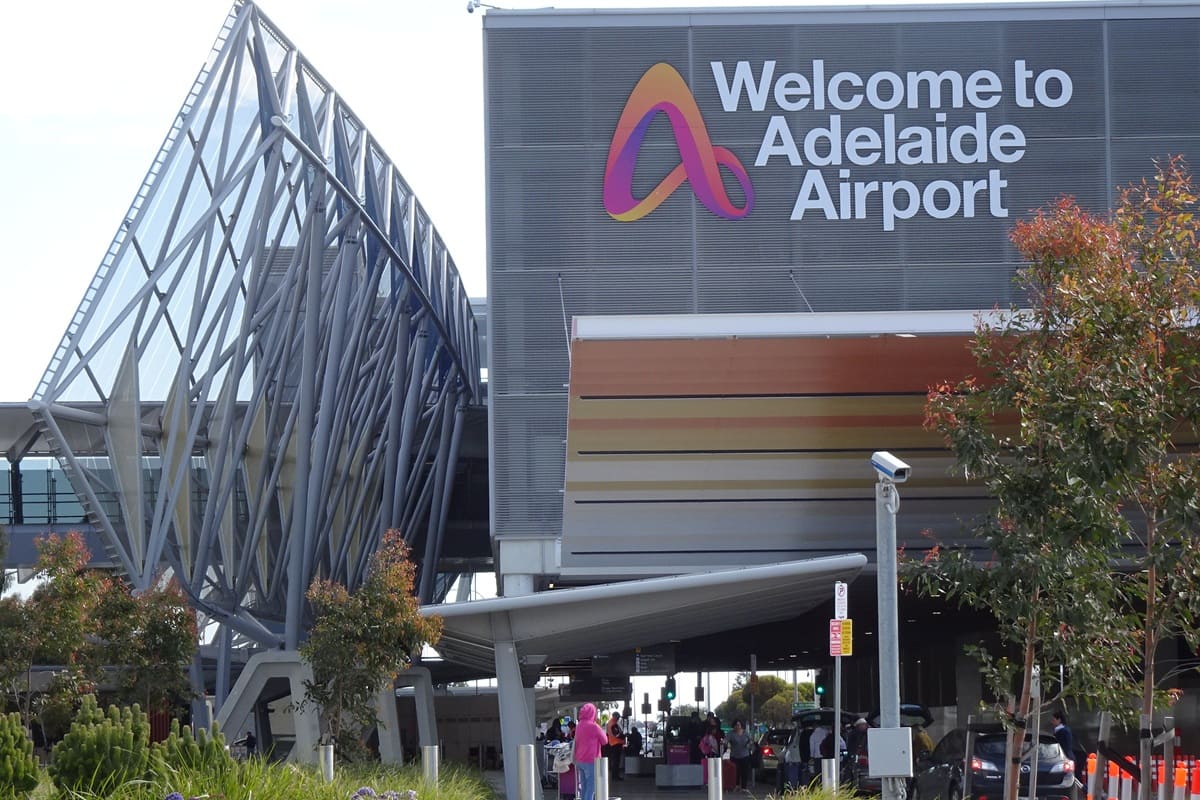
In an official announcement issued on Friday, November 20, 2026, the Australian government confirmed that Adelaide Airport has joined the pilot program developed in partnership with Qantas.
The expansion allows more passengers to submit their immigration, customs and biosecurity declarations before departing for Australia.
Beyond making arrival procedures easier, officials have emphasized the benefits of collecting information in advance to strengthen biosecurity controls.
“The Australia Travel Declaration is equipping our biosecurity officers with better information earlier, helping us focus our efforts on identifying and managing risks before they can impact Australia,” said Julie Collins, Australia’s Minister for Agriculture, Fisheries and Forestry.
Adelaide joins Australia’s digital arrival declaration trial
The latest expansion initially covers eligible passengers traveling on Qantas flight QF176 from Auckland, New Zealand, to Adelaide, the capital of South Australia.
These passengers will be invited to complete their arrival declaration directly through the Qantas mobile app.
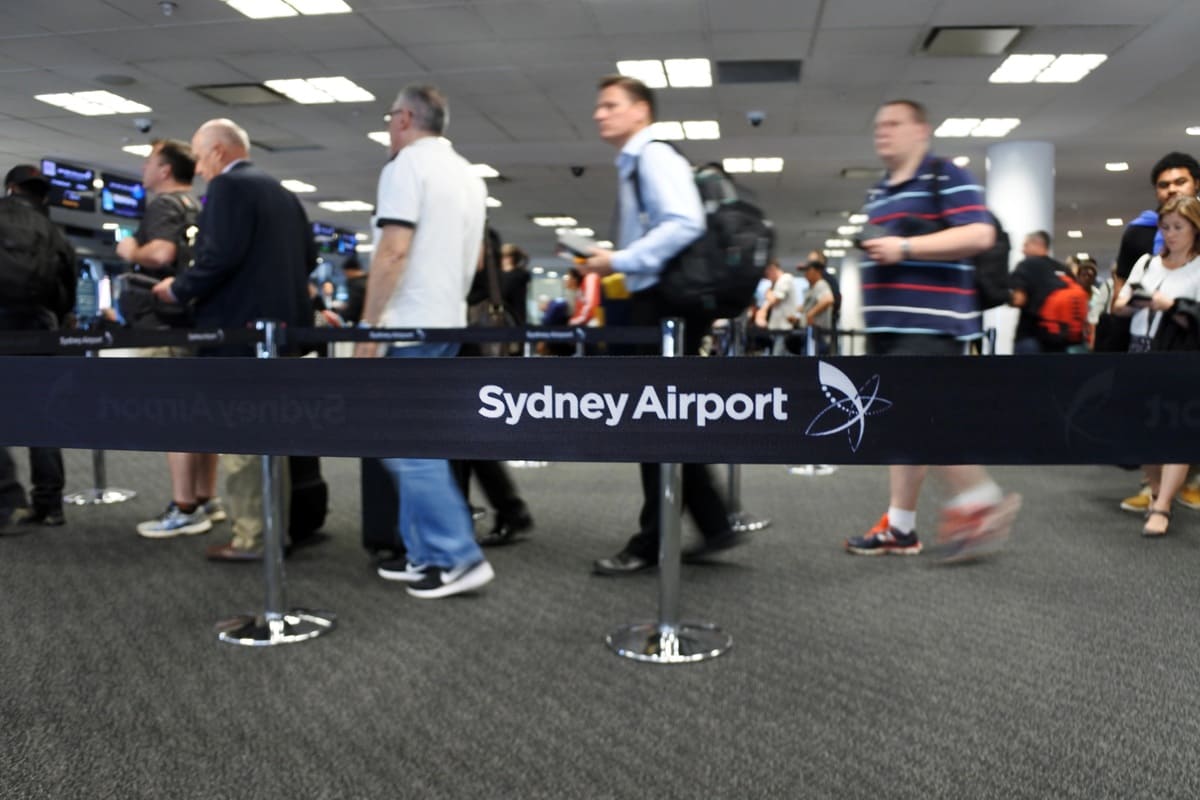
First introduced in Brisbane in October 2024, the pilot program was subsequently expanded to selected international flights arriving in Sydney and then Melbourne in May 2026.
With Adelaide now included, the initiative is moving closer to broader implementation across the country.
According to Australian authorities, nearly 900,000 passengers have already used the digital declaration since the pilot program began.
Assistant Minister Julian Hill highlighted the positive response from international travelers.
“Getting rid of the paper arrival card on eligible flights into Sydney, Brisbane and Melbourne has been enormously popular with international travellers. The inclusion of Adelaide in this pilot program is the next step in providing a more seamless experience at our borders for Australians and visitors.”
Hill also emphasized the practical benefits of the initiative, saying it is making arrivals “faster, simpler and more convenient for travellers.”
Digitizing arrival declarations is expected to make border processing more efficient while giving Australian authorities earlier access to information needed for security and biosecurity checks.
How does the Australia travel declaration work?
For eligible travelers, the Australia Travel Declaration replaces the Incoming Passenger Card (IPC), the paper form traditionally distributed during international flights before landing in Australia.
The process is entirely digital.
Passengers invited to participate in the trial can complete their declaration through the Qantas app up to 72 hours before travel.
They must provide the information normally requested upon arrival, including personal details, information about their stay and any goods or items subject to customs or biosecurity declaration requirements.
Once the process is complete, a digital pass containing a unique QR code is sent to the email address provided by the traveler.
Upon arrival in Australia, the QR code can be presented to officers from the Australian Border Force (ABF) and the Department of Agriculture, Fisheries and Forestry, which oversee border and biosecurity inspections.
Eligible travelers therefore no longer need to fill out the paper arrival card.
However, the system is not yet available to all international passengers. Participation in the Qantas pilot remains limited to travelers specifically invited to use the service.
Other passengers must continue completing the traditional Incoming Passenger Card under the existing procedures.
Australia plans nationwide rollout by the end of 2027
The expansion to Adelaide is part of a broader national effort to modernize Australia’s border processing systems.
In July 2026, the Australian government announced an investment of AUD 56.1 million over four years to support the digital transformation of international arrival procedures.
The goal is to progressively introduce the Australia Travel Declaration at all international airports and seaports across the country by the end of 2027.
The rollout is also intended to move beyond the original partnership with Qantas.
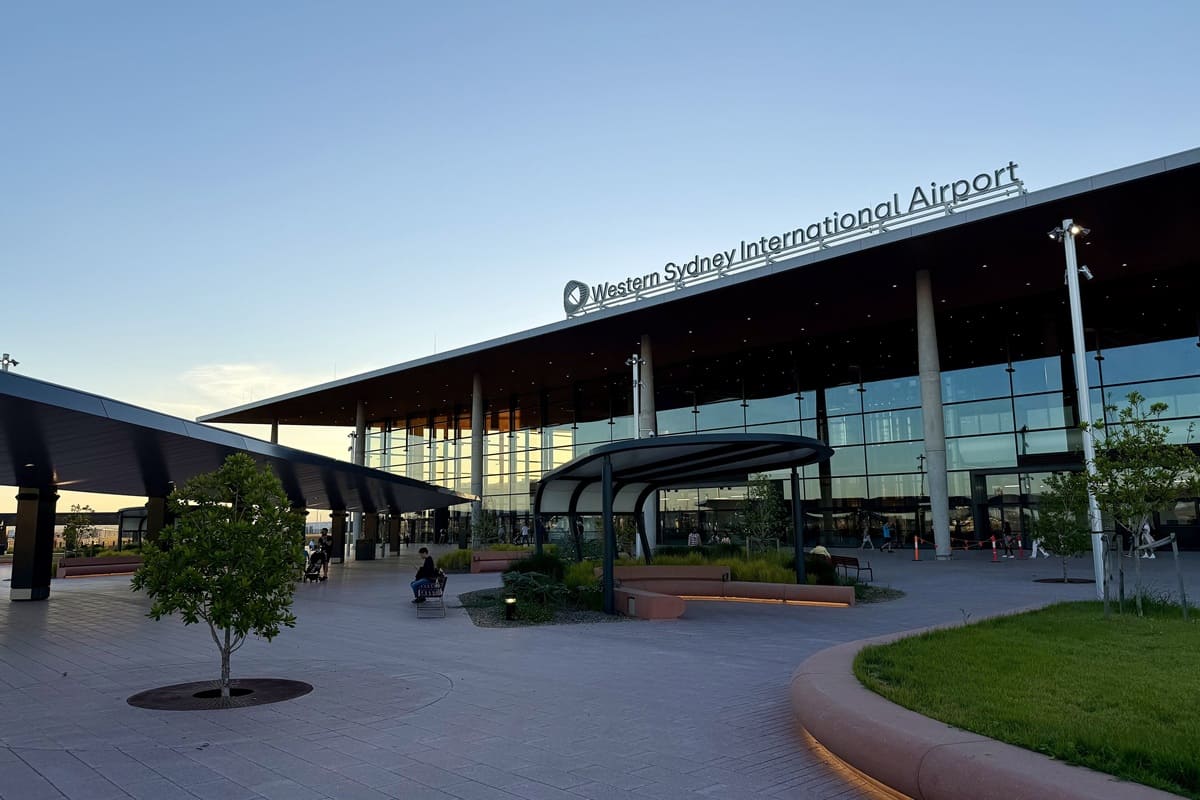
An initial web-based version of the declaration was introduced at Western Sydney International Airport on October 26, 2026, allowing passengers traveling with different airlines to use the system.
Australian authorities are working toward a solution that operates independently of airline mobile apps, making the digital declaration accessible to a much larger number of international travelers.
The paper arrival card will nevertheless remain available for passengers who cannot use the digital system or prefer to complete the traditional form.
The modernization effort also reflects Australia’s longstanding focus on protecting its agricultural sector and natural environment from biosecurity threats.
By collecting passenger declarations before arrival, authorities aim to identify potential risks associated with food, plant and animal products earlier, while improving the efficiency of border inspections.
Australia’s digital arrival declaration does not replace a visa
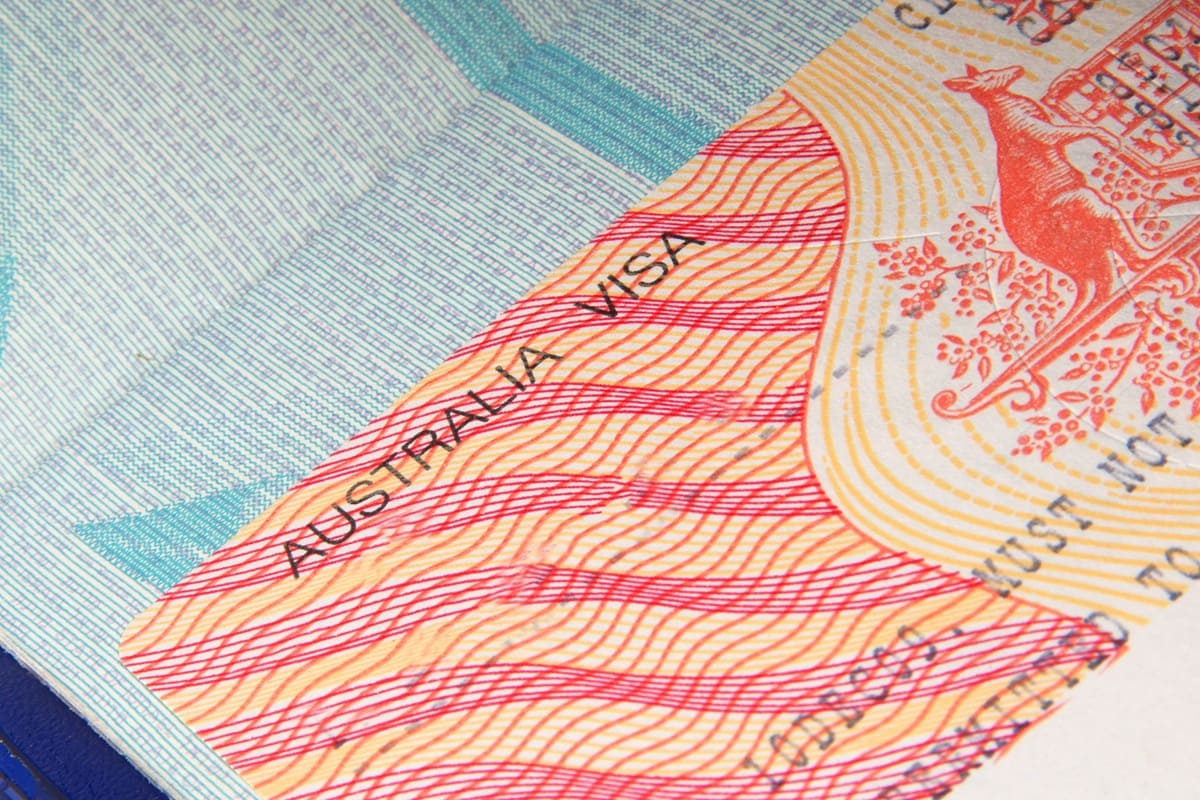
Although the Australia Travel Declaration simplifies arrival procedures, it is neither a visa nor an Electronic Travel Authority (ETA).
International travelers must still meet Australia’s visa requirements, which vary depending on their nationality and the purpose of their visit.
For example, U.S. and Canadian passport holders traveling to Australia for eligible short-term tourism or business visits can generally apply for an Electronic Travel Authority (ETA, subclass 601) before departure.
British citizens and eligible European passport holders, including travelers from France, Germany, Italy and Spain, may instead apply for an eVisitor visa (subclass 651), provided they meet the relevant requirements.
New Zealand citizens benefit from different arrangements. Those traveling on a valid New Zealand passport generally do not need to apply for a visa before departure and may be granted a Special Category Visa (subclass 444) upon arrival, subject to eligibility.
The digital arrival declaration is therefore an additional entry formality, not a replacement for the immigration documents travelers may need to obtain before their trip.
Once the system is rolled out nationwide, however, more international visitors should be able to complete their arrival declarations before reaching Australia, eliminating the need to fill out paperwork during their flight.
VisasNews Take
The expansion of the Australia Travel Declaration to Adelaide highlights Australia’s accelerating shift toward digital arrival procedures. While the Qantas pilot remains limited to selected flights, the development of a separate web-based declaration system is expected to make the service available to travelers across the country by the end of 2027. The transition will not eliminate customs or biosecurity inspections, nor will it change existing visa requirements. For international visitors, the key distinction is between the digital arrival declaration and the visa or travel authorization they may still need before departure.