
Canadians soon exempt from visa requirements to travel to China
While on an official visit to Beijing, Prime Minister Mark Carney announced that Canadian citizens will soon be able to enter China without a visa.
While on an official visit to Beijing, Prime Minister Mark Carney announced that Canadian citizens will soon be able to enter China without a visa.

The Dominican Republic has announced another one-year extension of its streamlined policy allowing visitors from several countries to travel without complying with the usual six-month passport validity rule.
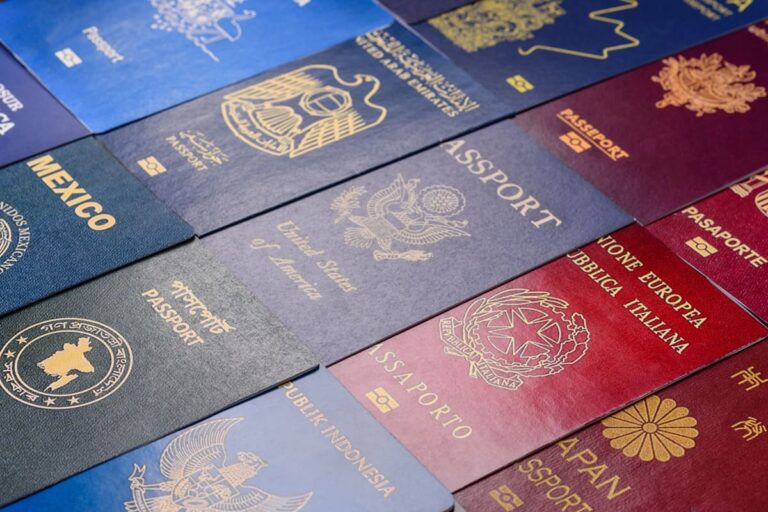
Henley & Partners has released its 2026 Henley Passport Index, confirming Singapore’s dominance at the top of the ranking of the world’s “most powerful” passports and highlighting a growing divide between citizens with high mobility and those increasingly confined within their borders.

Jordan has announced a major relaxation of its entry rules. Foreign visitors who are not traveling on a work visa will now automatically receive a three-month residence permit, up from the previous one-month limit, whether they enter the country with an electronic visa (e-Visa) or a visa obtained on arrival.

Since January 1, 2026, Zambia has implemented new visa fees, adjusting several categories intended for international travelers.

Launched in the summer of 2024 to facilitate travel to Pakistan, the “Visa Prior to Arrival” (VPA) program, which allowed citizens of 126 countries to quickly obtain a free visa, has been unavailable since January 1, 2026. In the absence of any official announcement regarding this suspension, affected travelers must now apply for a “standard” paid e-Visa, which involves higher fees and more extensive administrative requirements.

As part of its policy to facilitate international travel, India continues to adapt its electronic visa system. In recent days, a new airport, a land border crossing, and several seaports have been opened to travelers holding an e-Visa, further strengthening the country’s connectivity and streamlining arrivals.

Kyrgyzstan has revised its visa-free entry and stay rules for nationals of several countries. A government decision that came into force on December 31, 2025 now limits the length of stay permitted without formalities, with the stated aim of streamlining and increasing the transparency of the country’s migration policy.

After significantly easing its entry requirements in 2024, Malawi has now changed course. Under new regulations in effect since January 3, 2026, countries that were previously exempt, such as France, Belgium, Canada, the United States, and the United Kingdom, are once again subject to visa requirements, while only limited, reciprocity-based exemptions remain in place.

As of January 1, 2026, Cape Verde has ended the issuance of visas on arrival for nationals of 96 countries. Travelers affected by this measure must now obtain a visa before departure from a Cape Verdean embassy or consulate, as the EASE portal no longer allows online payment of visa-on-arrival fees.

Electronic travel authorization here, extended visa-free access there, increasingly widespread digital arrival cards… In 2026, many destinations will update their travel entry requirements. Nothing insurmountable, but several new elements to factor in before packing your bags. Here’s an overview of the main changes ahead.

Good news for international travelers: Mongolia has officially announced the extension of its visa-free entry policy for citizens of 34 countries through January 1, 2027. Originally introduced as a temporary measure in 2023 and set to expire on December 31, 2025, the program has now been renewed, reaffirming the Mongolian government’s commitment to maintaining an open and tourism-friendly policy.

As of January 1, 2026, all foreign tourists entering Georgia will be required to carry valid health and accident insurance covering the entirety of their stay. This new requirement, enshrined in Georgia’s “Law on Tourism,” is intended to strengthen visitor protection and clarify the country’s entry conditions.

Visa fees for travel to China will continue to benefit from a reduced rate until December 31, 2026, in accordance with a decision recently confirmed by the Chinese authorities.

India has just revised the fees for several types of electronic visas. While most e-Visa categories remain unchanged, the update introduces targeted increases for certain validity periods and nationalities.
