Sri Lanka: ETA now mandatory before departure
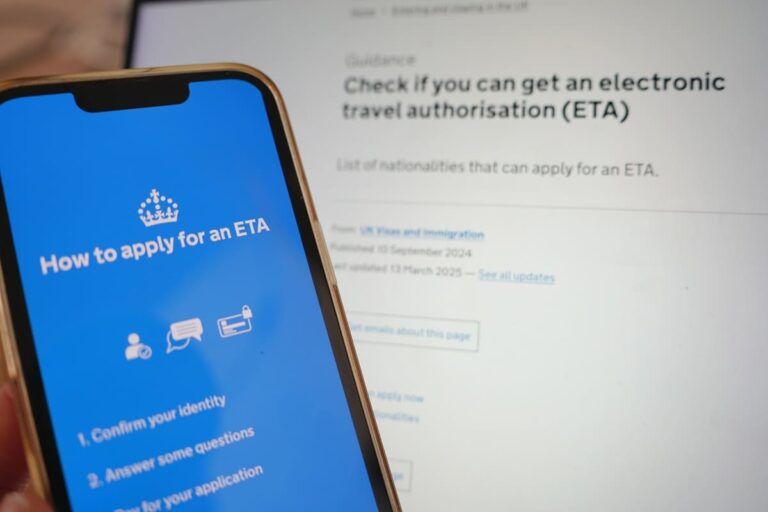
As of October 15, 2025, travelers visiting Sri Lanka for short stays must obtain an Electronic Travel Authorization (ETA) before departure.
Montenegro has undertaken a series of reforms aimed at aligning its legal framework with European visa standards, while also initiating work on a future electronic visa system.
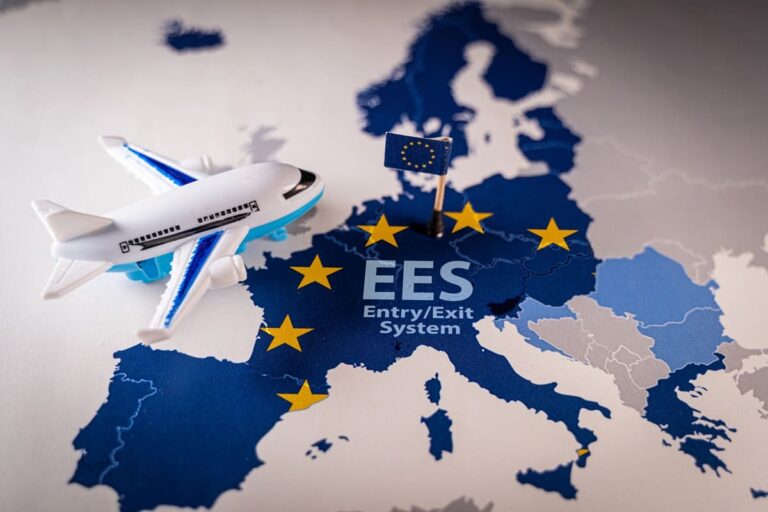
Since October 12, 2025, non-EU travelers entering or leaving the Schengen Area have been subject to a new digital system called the Entry/Exit System (EES). This automated system replaces the traditional passport stamp and is designed to better monitor the length of stays while enhancing border security.
The fire that broke out in late September at South Korea’s main government data center caused an unprecedented outage of hundreds of online public services. Among them was the e-Arrival Card, the electronic entry form for foreign travelers, which authorities have just announced is back online.
As part of its shift toward more modern immigration procedures, India is officially launching its digital arrival card for foreign travelers on October 1, 2025. Available online or through a mobile app, this new entry requirement will coexist with the traditional paper version during a six-month transitional period.
Starting October 15, 2025, foreign travelers will no longer be able to obtain their Electronic Travel Authorization (ETA) upon arrival in Sri Lanka. The document, which is already required for most tourist stays, must be requested online before departure.
On September 29, 2025, the Philippines expanded its electronic visa (e-Visa) system to nationals of four additional countries: France, Austria, Greece, and the Netherlands. Although citizens of these countries are already eligible for 30-day visa-free stays, they can now apply online for a Temporary Visitor Visa allowing them to stay for up to 59 days.
India may soon eliminate the paper disembarkation form currently required for foreign travelers and replace it with a digital arrival card. According to Indian media reports, the new system could go into effect as early as October 1, 2025…
Starting October 1, 2025, all travelers entering Papua New Guinea will be required to complete a digital arrival card called the “PNG Digital Arrival Card (PNG DAC).”
36 countries have today joined the list of nationalities eligible for a visa on arrival in Namibia. The measure comes with an increase in fees for applications made directly at the border, in order to encourage the use of the electronic visa portal.
Travelers from several countries will continue to be able to visit South Korea without applying for a K-ETA electronic travel authorization. South Korean authorities confirmed today that this exemption has been extended through December 2026.
The Azerbaijani government, through a decree signed by Prime Minister Ali Asadov, has decided to maintain the special quarantine regime related to the COVID-19 pandemic until January 1, 2026. This measure effectively extends the closure of the country’s land borders, which have been in place since 2020.
Starting November 3, 2025, New Zealand will expand the use of the NZeTA by launching two pilot programs that make it easier for Pacific nationals and Chinese travelers to enter from Australia.
From September 25, 2025, to January 25, 2026, citizens of eight African countries will be required to obtain an Electronic Travel Authorization (AEVM) to enter Morocco. This exceptional and temporary measure has been introduced in connection with the organization of the 2025 Africa Cup of Nations.
South Africa will soon roll out its electronic travel authorisation (ETA) system. While designed primarily for travelers who are required to obtain a visa, it may eventually also be available to foreign nationals who are visa-exempt, though without being mandatory.