
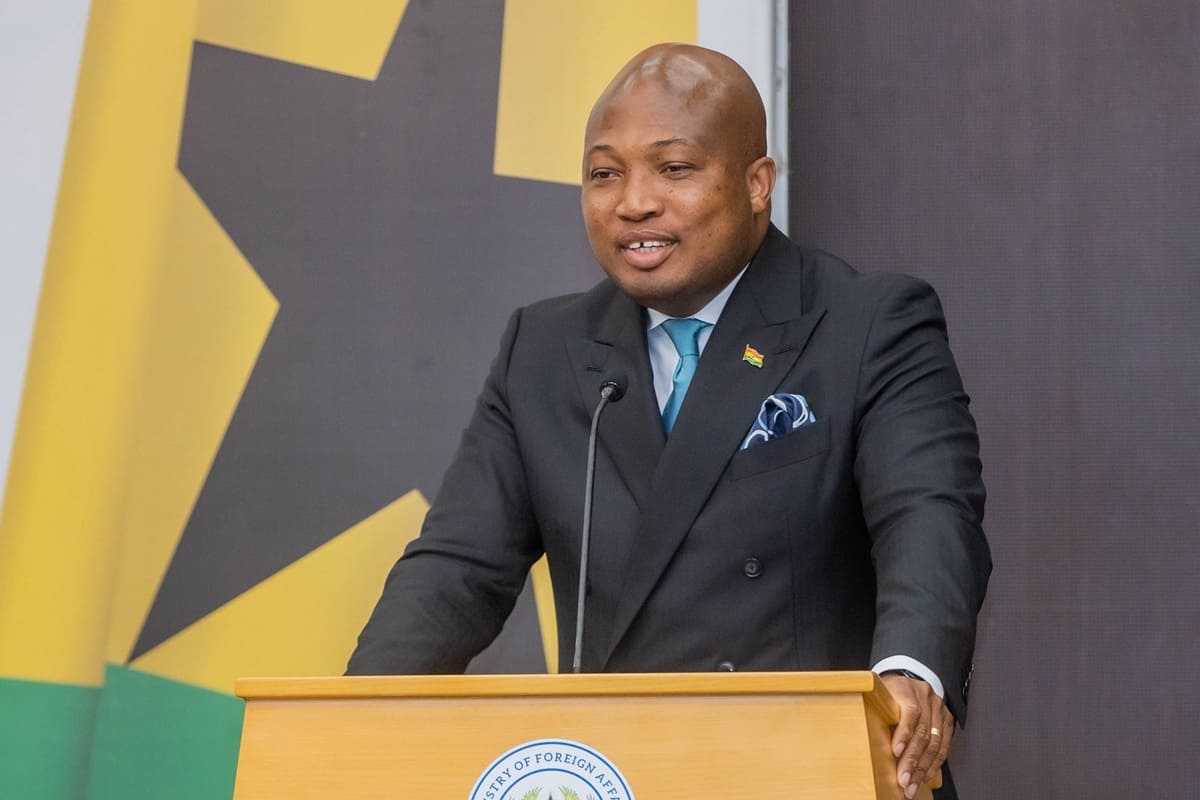
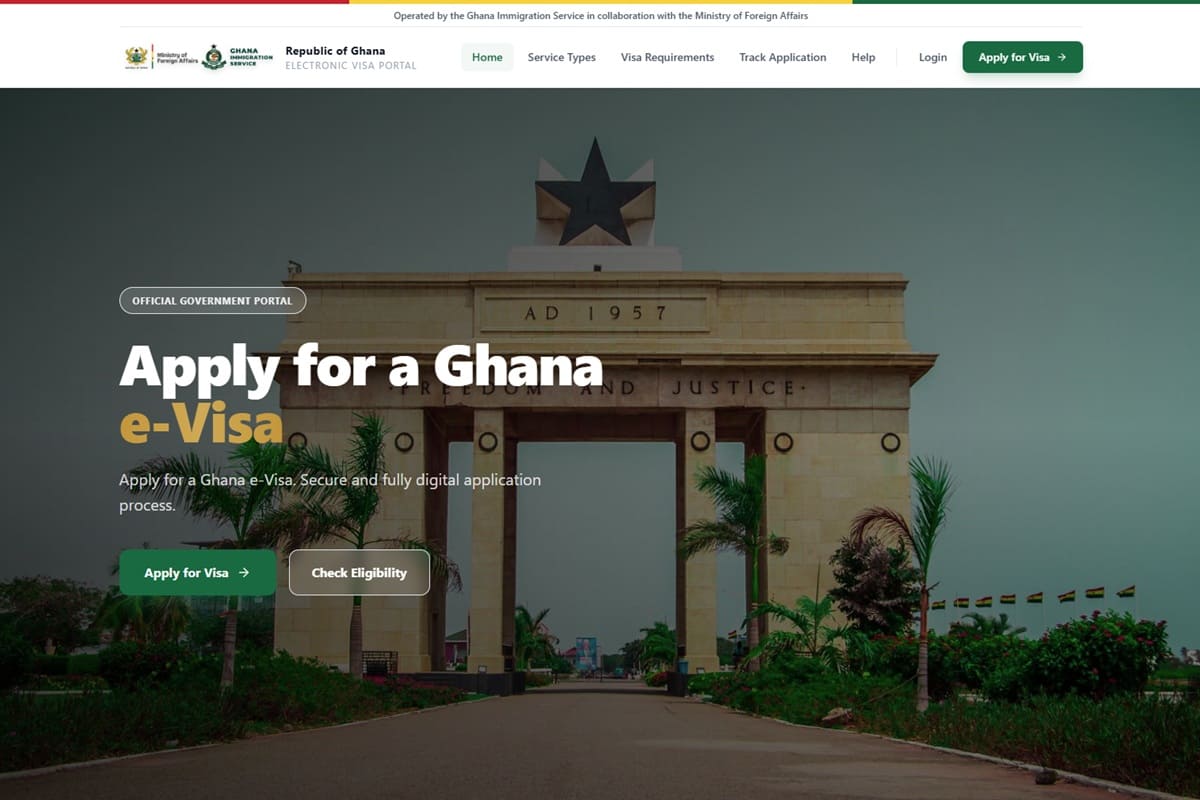
The rollout of Ghana’s future e-Visa was confirmed once again on Wednesday, April 15, during Vice President Jane Naana Opoku-Agyemang’s working visit to the Ministry of Foreign Affairs in Accra.
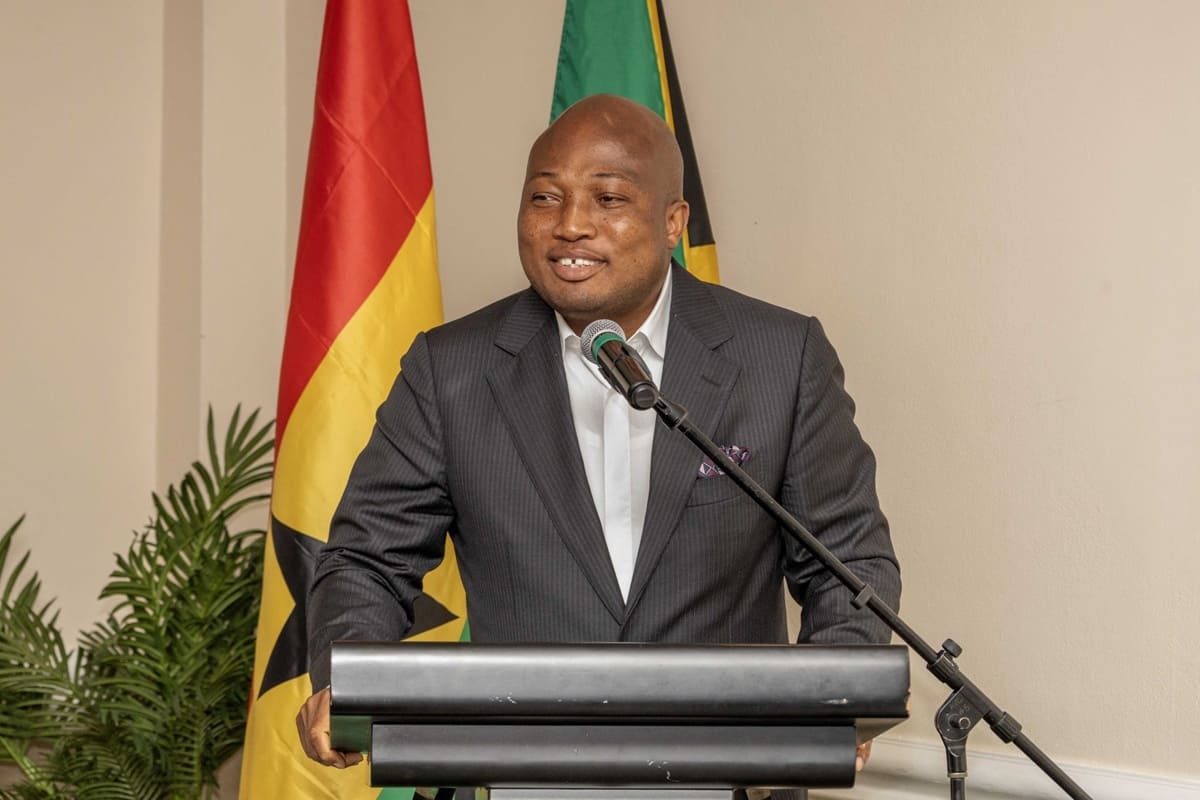
In remarks following the meeting, Foreign Minister Samuel Okudzeto Ablakwa outlined several reforms currently underway, including progress on visa waiver agreements and the launch, as early as next month, of the electronic visa system, which is expected to be free for African nationals.
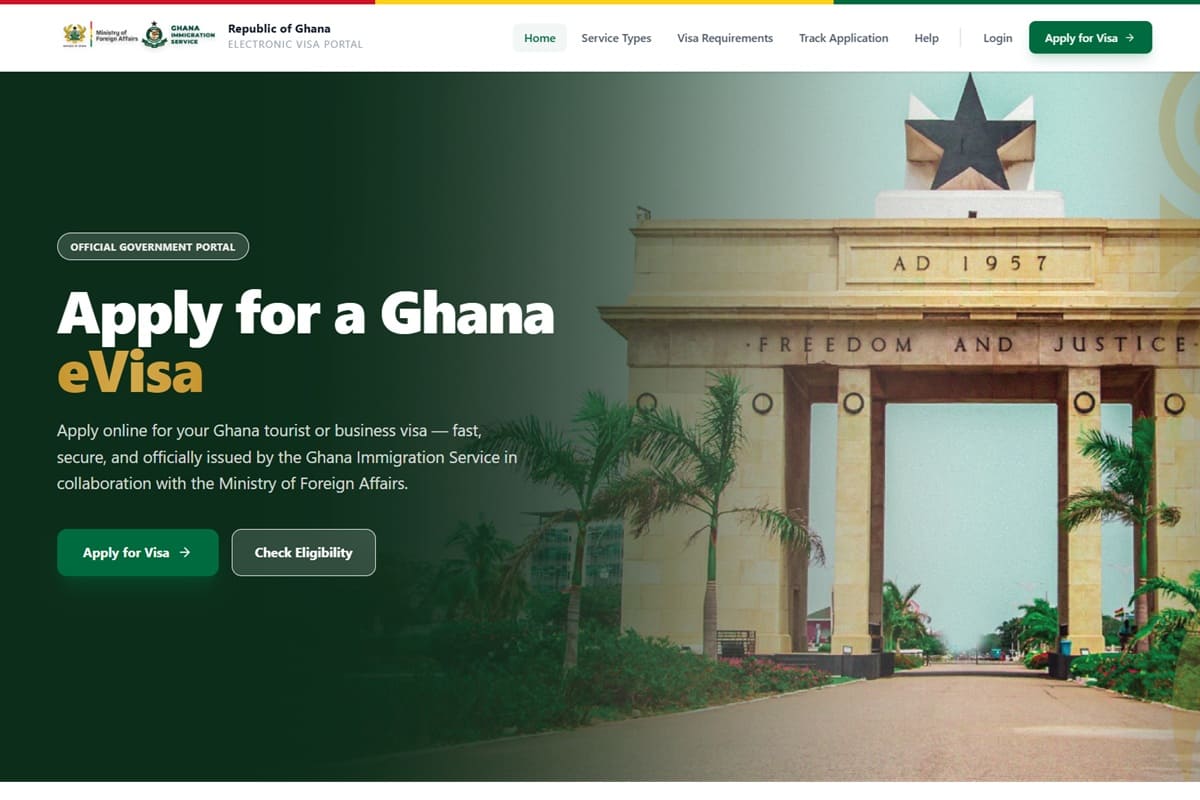
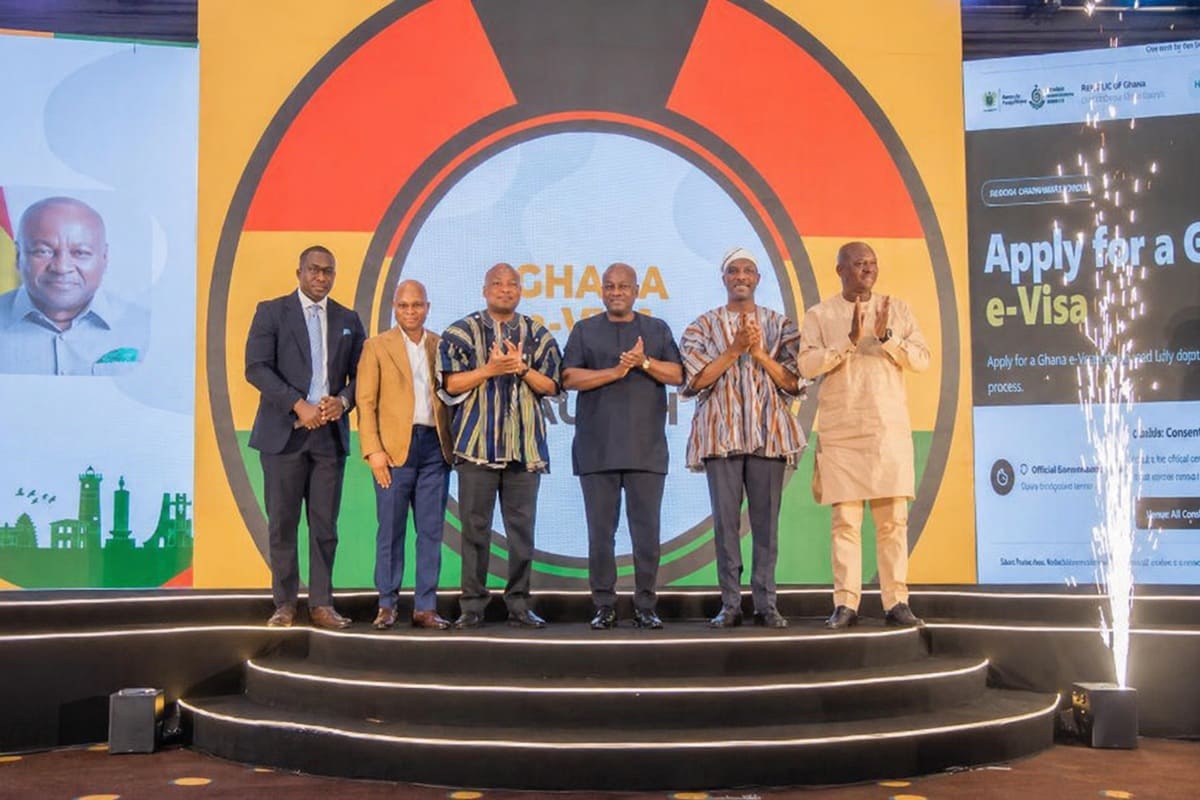
His comments are part of an announcement cycle already underway since the beginning of the month, when Ghana’s presidency said that starting May 25, 2026, on Africa Day, African travelers would be able to obtain their e-Visa online free of charge.
The government is presenting the change as both a travel facilitation measure and a tool to support trade, investment, and the country’s broader appeal.
An e-Visa described as simpler and more secure, but still required for Africans
In his remarks, Samuel Okudzeto Ablakwa clearly tied the reform to a broader modernization effort.
The minister said he was “happy to disclose that from next month, in May, Ghana will roll out an e-Visa regime so that it will be easier to travel to Ghana.” He framed the change as a way to modernize procedures and “make it very convenient to travel to Ghana,” especially for certain groups such as investors. He also stressed that the future system is not being designed merely as an administrative convenience. According to him, the platform will be linked to Interpol’s database, as well as API and PNR systems, so that authorities are “able to vet and screen properly” before travelers enter Ghana.
Samuel Okudzeto Ablakwa also sought to clear up a misunderstanding that has surrounded the e-Visa announcement for several days, as many interpretations had suggested that Ghana was planning to waive visa requirements entirely for African nationals.
“A lot of misconception out there…,” he first said, before explaining that some people were, in his view, confusing a free visa with visa-free travel. “Free visa simply means if you’re an African, you don’t pay the cost for the visa,” he said, adding that “it doesn’t mean that you will not go through the visa application process.”
In other words, African nationals will still be subject to an application process, case review, and consular checks, even though the cost of the visa is expected to be removed for them once the electronic visa system goes live.
Toward a $250 e-Visa for non-African travelers?
The minister also took care to reassure the public that entry screening would remain in place. He said that each application would still be reviewed, with oversight provided by consular authorities.
Samuel Okudzeto Ablakwa stressed that the authorities would verify whether each applicant meets the necessary requirements and poses no risk, noting that the system will be connected to several criminal databases. He warned that Ghana would still reserve the right to deny entry to anyone with a criminal record or whose intentions appear questionable.
While Africans traveling to Ghana are expected to benefit from a free e-Visa, the newly announced system will not be free for other nationalities.
“Our friends from other parts of the world will be paying about $250 when we roll out the e-Visa regime,” Samuel Okudzeto Ablakwa said.
That amount, presented as approximate in his wording, does not yet appear at this stage in any detailed official fee schedule available in the government sources reviewed. It should therefore be treated with caution.
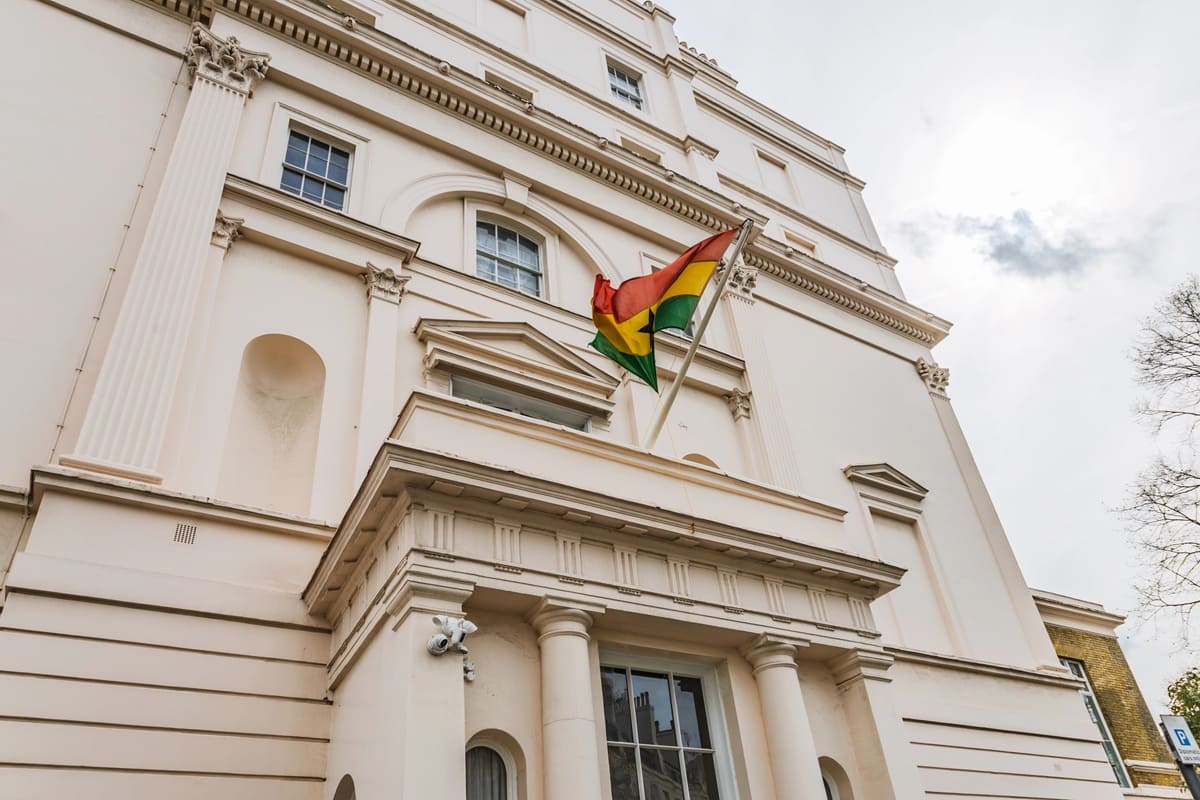
If the $250 figure is confirmed, it would appear significantly higher than the fees currently charged by several Ghanaian diplomatic missions, and could revive debate over the attractiveness of the future system for some non-African travelers. Ghana’s embassies in Paris and The Hague, for example, currently list fees of €70 and €60 respectively for a three-month single-entry visa, while London charges £60 and Washington charges $100 under the standard process.


If the 250 USD are true, I will definitly visit other countries and not Ghana. It should get cheaper and not more expensive.